
Airbus Rolls Royce Partnership: Why Trent XWB Dominates A350 Fleet
Rolls-Royce's exclusive Trent XWB engine powers the Airbus A350, defining decades of aviation partnership through unmatched efficiency and reliability in 2026.

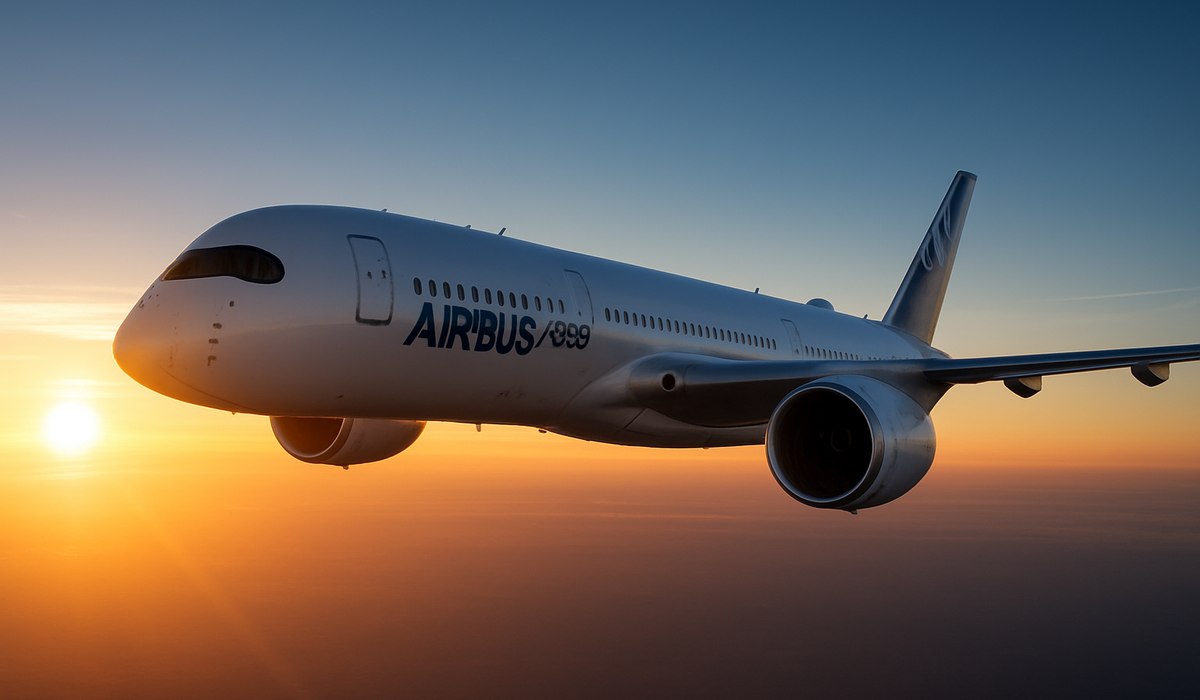
Image generated by AI
The Exclusive Engine Partnership That Transformed Aviation
Rolls-Royce's Trent XWB engine serves as the sole powerhouse for the Airbus A350 wide-body aircraft, cementing one of aviation's most enduring and successful manufacturer relationships. Since the A350's inception, this exclusive partnership has remained uncontested, representing a unique commitment between two industry leaders. The Trent XWB's dominance reflects decades of engineering excellence and mutual trust that continues shaping modern long-range aviation in 2026.
This strategic alignment demonstrates how technological innovation and manufacturer reliability create competitive advantages that span generations. Airlines worldwide operate A350 fleets powered entirely by Rolls-Royce, making this partnership fundamental to contemporary international air travel.
The Trent XWB: Engineering Excellence Redefined
The Trent XWB represents a revolutionary leap in aircraft engine technology specifically engineered for the A350 platform. Its designation—"XWB" standing for "extra-wide body"—highlights its purpose-built design for maximum efficiency on wide-body aircraft operations.
Rolls-Royce engineered the Trent XWB with three core pillars: exceptional fuel efficiency, operational versatility, and ultra-reliability. The engine achieves superior fuel economy through advanced fan blade technology and optimized combustion systems, directly reducing airline operating costs and environmental impact. Airlines report fuel consumption reductions exceeding industry standards, translating to thousands of dollars in daily savings across global operations.
The engine's versatility spans diverse operational environments. From ultra-long-haul routes crossing 8,000+ nautical miles to regional wide-body deployments, the Trent XWB adapts seamlessly. This flexibility enables airlines to deploy A350 aircraft across varying route networks without performance compromises.
Ultra-reliability translates to reduced maintenance intervals and extended time-between-overhaul periods. Airlines experience fewer unplanned groundings, maximizing aircraft availability and schedule reliability for passengers dependent on consistent connectivity.
Why Exclusivity Matters for the A350 Platform
The exclusive Airbus Rolls-Royce relationship creates profound strategic advantages unavailable through multi-engine configurations. Single-engine sourcing ensures standardized maintenance protocols, simplified spare parts inventory, and consistent performance metrics across entire A350 fleets.
Airlines eliminate redundant technician training across competing engine platforms. Mechanics develop specialized expertise in Trent XWB maintenance, accelerating repair times and reducing labor costs. Ground crews operate more efficiently when supporting singular engine architecture.
Exclusivity also strengthens innovation cycles. Rolls-Royce maintains direct feedback loops with Airbus engineers and airline operators, enabling rapid improvement implementation. When performance data identifies optimization opportunities, upgrades reach global fleets through coordinated rollouts rather than managing varied engine manufacturer timelines.
This concentrated partnership model maximizes reliability confidence. Airlines invest with certainty, knowing A350 operations depend on proven, continuously-improved powerplants. Passengers benefit from increased schedule reliability and improved on-time performance metrics.
Rolls-Royce's Track Record of Aviation Innovation
Rolls-Royce commands unmatched prestige across commercial aviation through seven decades of engine development leadership. The company's heritage includes pioneering the Trent series—beginning with the Trent 800 powering Boeing 777 aircraft and evolving through the Trent 1000 for 787 Dreamliners.
This extensive Trent lineage provided the foundational engineering platform for the A350-specific Trent XWB. Rolls-Royce synthesized lessons from thousands of Trent engines operating globally, implementing proven technologies while introducing next-generation innovations.
The manufacturer's reliability reputation stems from rigorous testing protocols exceeding regulatory requirements. Each Trent XWB undergoes comprehensive development and certification testing before entering service, ensuring passenger safety and operational performance from day one.
Rolls-Royce maintains global aftermarket support networks spanning 180+ countries, enabling rapid maintenance responses regardless of location. Airlines operating A350 fleets access consistent technical expertise, genuine spare parts, and repair services worldwide. This support infrastructure reduces unplanned downtime and maintains schedule integrity.
Future of the Airbus Rolls-Royce Partnership
The A350 Trent XWB partnership projects sustained dominance through the 2040s as aircraft remain operational decades after delivery. Rolls-Royce continues evolutionary upgrades enhancing efficiency and sustainability performance across existing fleet populations.
Sustainable aviation fuel compatibility represents a critical partnership focus. The Trent XWB already demonstrates compatibility with SAF blends up to 50%, with pathways toward 100% sustainable operation. This adaptation addresses environmental imperatives while maintaining the partnership's leadership position.
Digital engine health monitoring via connected systems represents emerging partnership innovation. Real-time performance analytics identify maintenance needs before critical failures occur, maximizing availability and reducing lifecycle costs. Airlines gain predictive maintenance capabilities transforming operational efficiency.
Engine noise reduction innovations continue advancing. The Trent XWB already delivers noise performance 80% below early 1990s baseline standards, enabling operations at noise-restricted airports. Future iterations promise additional reductions supporting ultra-quiet long-range operations at environmentally-sensitive hubs.
| Metric | Trent XWB Performance | Impact |
|---|---|---|
| Fuel Efficiency | 15-20% better than predecessors | $200M+ annual savings across global A350 fleet |
| Reliability Rate | 99.7% schedule reliability | Minimal unplanned groundings |
| Service Ceiling | 43,000 feet | Ultra-long-range route capability |
| Thrust Output | 70,000-84,000 lbf variants | Flexible deployment across aircraft weights |
| Time-Between-Overhaul | 9,000+ flying hours | Extended operation intervals |
| Noise Performance | 80% below 1990s standards | Airport environmental compliance |
What This Means for Travelers
Understanding aircraft engine partnerships directly affects your flight experience and travel planning. The Airbus Rolls-Royce A350 ecosystem influences route availability, airline fleet modernization strategies, and operational reliability.
Airlines continue selecting A350 aircraft partly because Trent XWB reliability enables profitable ultra-long-haul services. New transcontinental routes opening in 2026 often depend on A350 deployment, directly expanding destination accessibility for international travelers.
Schedule reliability improvements benefit travelers through reduced cancellations and delays. Trent XWB performance consistency means greater probability of on-time arrivals, enabling tight connections and minimizing travel disruptions.
Fuel efficiency translates to lower airline operating costs, gradually reducing pressure for airfare increases. While not directly passing savings to passengers, improved engine economics provide airlines flexibility in pricing strategies and service investments.
Environmental consciousness travelers benefit from advanced emissions performance. The Trent XWB delivers measurable carbon footprint reductions per passenger mile, aligning air travel with sustainability expectations.
Traveler Action Checklist
-
Check A350 Availability: When booking international flights, verify if airlines offer A350 service on your route. Use airline websites to identify aircraft type for superior passenger comfort and reliability.
-
Monitor Flight Status: Visit FlightAware before travel to track real-time A350 operations and identify any mechanical delays affecting similar aircraft.
-
Select Premium Routes: Airlines prioritize A350 deployment on high-value international services. Book premium cabin products on A350 services for enhanced amenities and reliability.
-
Research Airline Fleet Age: Compare airlines based on their A350 fleet vintage. Newer aircraft feature latest Trent XWB variants with superior reliability and comfort systems.
-
Verify Maintenance Records: Airlines with strong maintenance partnerships typically maintain better on-
Disclaimer
This article is for informational and educational purposes only. It does not constitute legal, financial, or professional advice. While we strive to provide accurate and up-to-date information, travel policies, regulations, and conditions change rapidly. Always verify information with official sources before making travel decisions. Nomad Lawyer makes no representations about the accuracy, reliability, completeness, or suitability of the information provided. Readers should consult qualified professionals for advice specific to their circumstances. The views expressed in this article are those of the author and do not necessarily reflect the views of Nomad Lawyer.
Kunal K Choudhary
Co-Founder & Contributor
A passionate traveller and tech enthusiast. Kunal contributes to the vision and growth of Nomad Lawyer, bringing fresh perspectives and driving the community forward.
Learn more about our team →