
Airbus Fuel Efficient Widebody Aircraft Transform 2026 Long-Haul Travel
Next-generation airbus fuel efficient widebody jets are cutting fuel consumption by up to 25% in 2026, reshaping airline economics and long-haul travel sustainability globally.

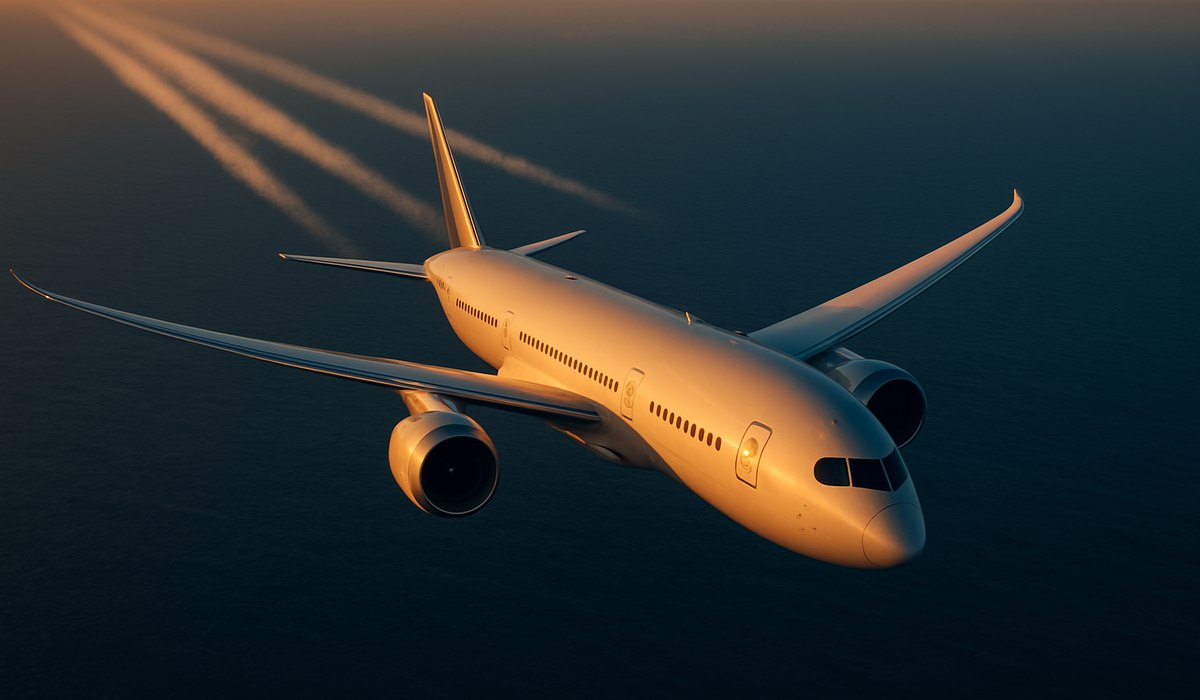
Image generated by AI
Modern Widebody Aircraft Deliver Record Fuel Efficiency Gains in 2026
Next-generation airbus fuel efficient widebody jets like the Boeing 787 Dreamliner and Airbus A350 are fundamentally transforming long-haul aviation economics. These aircraft cut fuel consumption by up to 25% compared to the widebody jets they're replacing, according to manufacturer specifications and airline operational data. The efficiency revolution stems from lightweight composite materials, advanced aerodynamic design, and cutting-edge high-bypass turbofan engines that reduce operating costs while lowering environmental impact for carriers operating global routes.
Fuel represents one of the largest operational expenses for international airlines. When airbus fuel efficient technology reduces consumption by a quarter, the savings compound across thousands of flights annually. A single long-haul carrier operating 50 widebody aircraft can save millions in annual fuel expenditures, allowing reinvestment in passenger amenities, route expansion, or improved profitability during economically challenging periods.
Why Fuel Efficiency Matters for Modern Airlines
The economics of airline operations hinge critically on fuel costs. Jet fuel pricing volatility has historically squeezed airline margins, making every percentage point of efficiency gain strategically valuable. Airlines operating airbus fuel efficient aircraft gain competitive advantages through lower per-seat costs on transcontinental and transpacific routes where fuel consumption is most pronounced.
Sustainability pressure from regulators, investors, and environmentally conscious passengers amplifies the importance of fuel-efficient widebody aircraft. The aviation industry faces intensifying carbon emission reduction targets. Airlines deploying modern aircraft meet regulatory requirements while appealing to corporate travel buyers prioritizing ESG (Environmental, Social, Governance) performance. This dual economic and environmental incentive accelerates fleet modernization across major carriers worldwide, particularly on high-capacity long-haul routes serving Asia-Pacific, Europe, and North American markets.
The International Air Transport Association reports that aircraft efficiency improvements contribute approximately 50% of aviation's fuel burn reduction trajectory. Modern widebody designs achieve this through laminar flow technology, optimized wing designs, and integrated avionics systems that minimize fuel waste during cruising. For passengers, these advancements often translate to newer aircraft, improved cabin pressurization, and enhanced in-flight environments.
The Top 5 Most Efficient Widebody Aircraft in 2026
Several aircraft platforms dominate the fuel efficiency rankings in current commercial service:
Boeing 787 Dreamliner leads the pack with documented fuel burns 20-22% lower than Boeing 777 and 767 predecessors. The 787's composite fuselage reduces weight while three-engine efficiency and advanced avionics optimize every flight parameter.
Airbus A350 matches the 787's efficiency profile, achieving similar fuel reduction percentages through comparable composite construction and aerodynamic refinement. The A350 offers flexibility across multiple capacity variants (A350-900 and A350-1000).
Airbus A380neo represents widebody efficiency for ultra-high-capacity operations, improving on the original A380 design with newer engines and aerodynamic enhancements that reduce fuel consumption on world's busiest routes.
Boeing 777X (pending full commercial deployment) promises 12% fuel burn reductions versus earlier 777 variants through folding winglets and next-generation engines, positioning it as the most efficient ultra-widebody available.
Airbus A330neo modernizes the proven A330 platform with advanced engines and avionics, delivering 25% fuel burn improvements over legacy A330-200/300 aircraft on medium to long-haul routes.
Technology Behind the Efficiency Gains
Advanced composite materials form the structural foundation of modern airbus fuel efficient widebody aircraft. Carbon fiber and aluminum-lithium alloys reduce overall aircraft weight by 15-20% compared to all-aluminum designs. Lighter structures require less fuel to accelerate, cruise, and decelerate, creating cascading efficiency benefits across flight operations.
Aerodynamic innovations address drag reduction systematically. Laminar flow technology on wings and fuselages reduces skin friction drag. Winglet designs—including split-scimitar winglets on Boeing aircraft and sharklet designs on Airbus models—improve lift-to-drag ratios, allowing aircraft to cruise more efficiently at lower fuel consumption rates.
Engine technology represents perhaps the most dramatic advancement. High-bypass turbofan engines generate most thrust through fan bypass air rather than combustion, dramatically improving thermal efficiency. The Rolls-Royce Trent 1000 powering 787s, General Electric GE9X engines on 777X aircraft, and Rolls-Royce Trent XWB engines on A350 platforms all exemplify this evolution.
Advanced flight management systems and avionics continuously optimize cruise altitude, speed, and routing to minimize fuel consumption. Real-time weather integration, automated fuel management, and precision navigation reduce unnecessary deviations and wasted fuel.
Environmental and Economic Impact
The aggregate environmental impact of fleet modernization toward airbus fuel efficient aircraft is substantial. A single airline replacing 20 older widebody jets with modern equivalents reduces annual CO2 emissions by approximately 500,000 metric tons—equivalent to removing 100,000 cars from roads for a year.
Economic benefits extend beyond airlines to passengers and the travel industry. Lower operational costs can translate to reduced ticket prices on competitive routes, improved airline profitability enabling service expansion, and enhanced investment in airport infrastructure and ground services. For business travelers, fuel-efficient aircraft often feature newer cabin technology, improved WiFi systems, and enhanced passenger comfort systems.
The competitive pressure between Boeing and Airbus ensures continuous efficiency improvements. Airlines benefit from this competition as manufacturers invest billions in R&D to develop increasingly efficient aircraft. This technological advancement cycle creates a positive feedback loop where efficiency gains become industry standards rather than competitive differentiators.
Traveler Action Checklist
Passengers can leverage knowledge of modern aircraft efficiency to optimize their travel experience and environmental impact:
-
Check aircraft type before booking – Visit the airline's website or seat map tools to identify whether your route operates Boeing 787, Airbus A350, or A330neo aircraft. Newer types offer enhanced cabin humidity, larger windows, and superior pressurization.
-
Prioritize airlines modernizing fleets – Select carriers actively replacing older widebody aircraft. Major carriers like Singapore Airlines, Cathay Pacific, and Lufthansa have substantial new aircraft orders, indicating commitment to efficiency and passenger experience.
-
Understand baggage policies – Modern aircraft enable efficient operations, but airlines often optimize weight distribution. Pack strategically and verify baggage policies to avoid checked bag surcharges that reduce your travel value.
-
Monitor route assignments – Airlines sometimes rotate aircraft seasonally or based on demand. Tracking fuel-efficient aircraft assignments on specific routes using flight tracking resources helps you select preferred departure times.
-
Request carbon offset programs – Many carriers offer optional carbon offset purchases at booking. Contributing to certified offset programs aligns your travel with sustainability goals while supporting carbon reduction projects.
-
Leave adequate connection time – Modern aircraft require minimal ground time for turnaround, but busy hubs may still experience delays. Build 2-3 hour buffer time on international connections to avoid tight schedules.
Key Data: Fuel Efficiency Comparison Table
| Aircraft Model | Fuel Burn Reduction | Primary Routes | Production Status | Capacity (Typical) |
|---|---|---|---|---|
| Boeing 787-9 | 20-22% vs 767/777 | Transpacific, Transatlantic | In production | 242-290 passengers |
| Airbus A350-900 | 20-25% vs A340 | Long-haul international | In production | 314-369 passengers |
| Boeing 777X-8 | 12% vs 777-300ER | Ultra-long-haul | Pending certification | 350-420 passengers |
| Airbus A330neo | 25% |
Disclaimer
This article is for informational and educational purposes only. It does not constitute legal, financial, or professional advice. While we strive to provide accurate and up-to-date information, travel policies, regulations, and conditions change rapidly. Always verify information with official sources before making travel decisions. Nomad Lawyer makes no representations about the accuracy, reliability, completeness, or suitability of the information provided. Readers should consult qualified professionals for advice specific to their circumstances. The views expressed in this article are those of the author and do not necessarily reflect the views of Nomad Lawyer.
Preeti Gunjan
Contributor & Community Manager
A passionate traveller and community builder. Preeti helps grow the Nomad Lawyer community, fostering engagement and bringing the reader experience to life.
Learn more about our team →