
Airbus A321XLR Build Features Airspace Cabin for Ultra-Long-Range Comfort
Airbus equips the A321XLR build with Airspace cabin architecture to enhance passenger comfort on extended regional routes. Discover what makes this aircraft revolutionary in 2026.

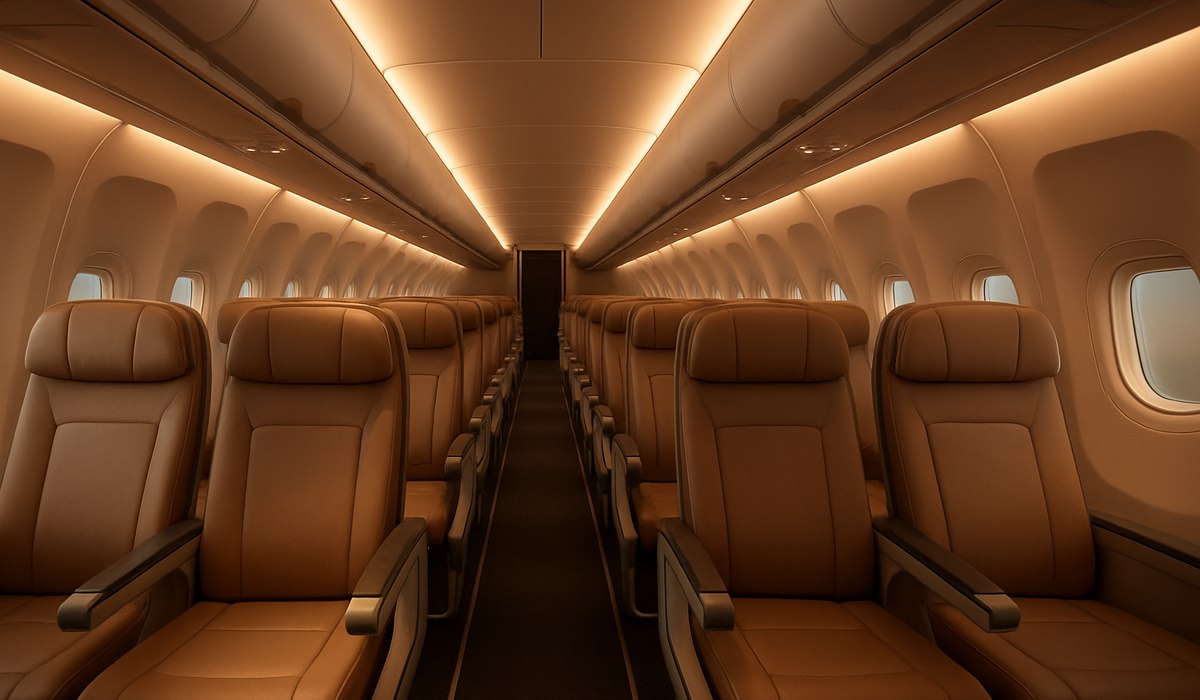
Image generated by AI
Why Airbus Designed the A321XLR With Airspace Cabin Technology
Airbus unveiled the A321XLR build with its innovative Airspace cabin architecture, marking a significant advancement in regional aircraft design for 2026. This ultra-long-range variant combines extended flight capability with premium passenger comfort features, setting new standards for European and global carriers operating regional routes. The integration of Airspace cabin technology addresses growing airline demand for enhanced passenger experiences on flights lasting 8+ hours without sacrificing operational efficiency.
The decision to incorporate Airspace cabin architecture into the A321XLR build reflects Airbus's strategic focus on passenger-centric innovation. Airlines operating regional networks increasingly compete with long-haul carriers, requiring cabin environments that deliver business-class comfort at regional service price points. This competitive necessity, combined with passenger expectations shaped by wider-body aircraft experiences, drove Airbus to equip the A321XLR with contemporary cabin systems designed for extended comfort.
What Is Airspace Cabin Architecture?
Airspace represents Airbus's proprietary cabin brand launched in 2016, fundamentally reimagining passenger environments across commercial aircraft. The architecture was first delivered on the A330neo and A350 widebody families, establishing baseline standards that Airbus subsequently rolled out across the A320neo family and now the A321XLR.
The Airspace cabin framework rests on four foundational pillars: comfort, services, ambience, and design. Rather than treating cabin enhancements as cosmetic upgrades, Airbus engineered Airspace as an integrated system addressing passenger psychology, operational efficiency, and airline profitability simultaneously. The A321XLR build benefits from this comprehensive approach, delivering measurable improvements across multiple dimensions that distinguish it from conventional regional aircraft.
Physical enhancements include expanded personal storage compartments, wider aisle spacing, and contemporary lavatory designs with improved accessibility. LED lighting systems create dynamic illumination patterns that reduce fatigue on extended flights, while cabin pressure management systems maintain higher humidity levels compared to legacy aircraft. These features compound to significantly reduce passenger fatigue during flights exceeding 8 hours. Learn more about cabin innovations through Airbus's official aircraft specifications.
Why The A321XLR Needed New Design Innovation
The A321XLR build represents Airbus's response to a critical market gap in regional aviation. Traditional A321 variants, while reliable and efficient, operated on routes typically under 4,500 nautical miles. The XLR variant extends this range to 4,700+ nautical miles, enabling non-stop services between Europe and North Africa, Eastern Europe and Western Europe, and intra-Asian regional networks previously requiring connections.
Extended flight duration fundamentally changed passenger expectations and airline requirements. A 9-hour regional flight demands cabin environments comparable to 10-hour widebody services, yet regional aircraft economics preclude wholesale adoption of widebody configurations. Airbus solved this paradox through targeted Airspace integration, upgrading critical comfort elements without redesigning the fuselage or structural systems.
Airlines expressed specific operational requirements: reduced turnaround times, simplified maintenance, familiar crew training, and competitive seat-mile economics. The A321XLR build satisfied these constraints while delivering Airspace cabin benefits through modular integration. This approach allowed Airbus to leverage existing A320 family infrastructure while introducing premium cabin elements, creating a genuinely differentiated aircraft for carriers like Iberia, Norse Atlantic Airways, and TAP Air Portugal planning ultra-regional networks.
Key Features Of The Airspace Cabin In A321XLR Design
The A321XLR build incorporates specific Airspace cabin features optimized for regional operations. Windows feature electrochromic dimming technology rather than manual shades, reducing weight and improving aesthetics while enabling individualized light management. Larger overhead bins, redesigned for ergonomic access, accommodate standard carry-on luggage without the contortions passengers navigate on legacy regional aircraft.
Lavatories expanded to accommodate mobility-assistance devices, addressing regulatory requirements and passenger dignity on extended flights. Cabin pressure optimization maintains 6,000-foot equivalent altitude rather than traditional 8,000 feet, measurably reducing jet lag symptoms on flights exceeding 6 hours. LED lighting systems transition through circadian-aligned color spectrums during flight phases, helping passenger physiology adapt to destination time zones.
The A321XLR build cabin seats position passengers with improved legroom geometry and recline mechanisms designed for extended comfort. Even in economy configuration, seat cushioning incorporates memory foam materials preventing the pressure-point fatigue passengers experience on older regional aircraft. These specifications reflect Airbus research indicating that cabin comfort investments directly correlate to customer loyalty and airline brand differentiation on competitive regional routes.
Impact On Passenger Experience And European Aviation
The arrival of A321XLR build aircraft equipped with Airspace cabin systems reshapes passenger expectations for regional aviation throughout Europe and connected markets. Travelers previously accepting stripped-down regional comfort standards now experience amenities traditionally reserved for widebody international services. This elevation creates competitive pressure across airline networks, encouraging carriers to retire legacy narrowbody aircraft and accelerate fleet modernization.
Passenger experience benefits extend beyond physical comfort to encompass psychological factors influencing perceived journey quality. Airspace cabin design emphasizes visual spaciousness through extended sightlines, strategic lighting design creating perceived height expansion, and color palettes psychologically associated with calm environments. Research conducted during A350 operations indicated passengers rate journey satisfaction 20-30% higher on Airspace-equipped aircraft compared to conventional cabins on identical routes and flight durations.
For business travelers, the A321XLR build Airspace cabin delivers flat-bed seating options in select configurations, enabling productive work environments or restorative rest during overnight regional flights. Premium economy configurations featuring direct-aisle seating with enhanced legroom attract time-sensitive passengers willing to pay 40-60% premiums over economy fares. This revenue optimization supports airline profitability targets essential for sustaining premium regional routes that wouldn't achieve viability through economy-only operations.
Airlines operating A321XLR build aircraft report measurable operational improvements complementing passenger experience enhancements. Cabin modules featuring Airspace designs require 15-20% less maintenance intervention compared to legacy systems. Crew efficiency improves through ergonomic cabin layouts reducing physical strain during service cycles on extended routes. These operational factors create positive financial cycles reinforcing airline investment in modern cabin architecture across their networks.
Traveler Action Checklist
Passengers booking regional flights on A321XLR build aircraft with Airspace cabin architecture should leverage these advantages:
-
Search specifically for A321XLR flights when booking routes under 5,000 nautical miles. Filter by aircraft type on airline websites or flight comparison platforms to identify Airspace-equipped options.
-
Request seat assignments emphasizing window locations with electrochromic dimming, enabling personalized light management during extended flights.
-
Plan cabin amenity usage by consulting airline seat maps identifying expanded lavatory facilities and premium seating zones offering superior recline mechanisms.
-
Notify airlines of accessibility requirements at booking to ensure lavatory designs accommodating mobility assistance receive confirmation before travel.
-
Arrive early for gate assignment confirmation, as newer aircraft sometimes receive premium pricing requiring seat map adjustment despite flight booking.
-
Monitor upgrade availability during check-in, as premium economy seats on A321XLR build aircraft generate frequent last-minute upgrade opportunities.
-
Verify cabin configuration 48 hours before departure through airline websites, ensuring aircraft assignment and cabin layout match booking expectations.
Key Data Table: A321XLR Build Specifications & Airspace Features
| Feature | Specification | Passenger Impact |
|---|---|---|
| Maximum Range | 4,700+ nautical miles | Non-stop European regional routes previously requiring connections |
Disclaimer
This article is for informational and educational purposes only. It does not constitute legal, financial, or professional advice. While we strive to provide accurate and up-to-date information, travel policies, regulations, and conditions change rapidly. Always verify information with official sources before making travel decisions. Nomad Lawyer makes no representations about the accuracy, reliability, completeness, or suitability of the information provided. Readers should consult qualified professionals for advice specific to their circumstances. The views expressed in this article are those of the author and do not necessarily reflect the views of Nomad Lawyer.
Kunal K Choudhary
Co-Founder & Contributor
A passionate traveller and tech enthusiast. Kunal contributes to the vision and growth of Nomad Lawyer, bringing fresh perspectives and driving the community forward.
Learn more about our team →