
Air New Zealand Flight Cuts: Fuel Crisis and Engine Failures Hit Major Routes
Air New Zealand slashes hundreds of flights across Christchurch, Wellington, and Nelson due to global jet fuel volatility and widespread Pratt & Whitney engine maintenance backlogs affecting both domestic and international operations.

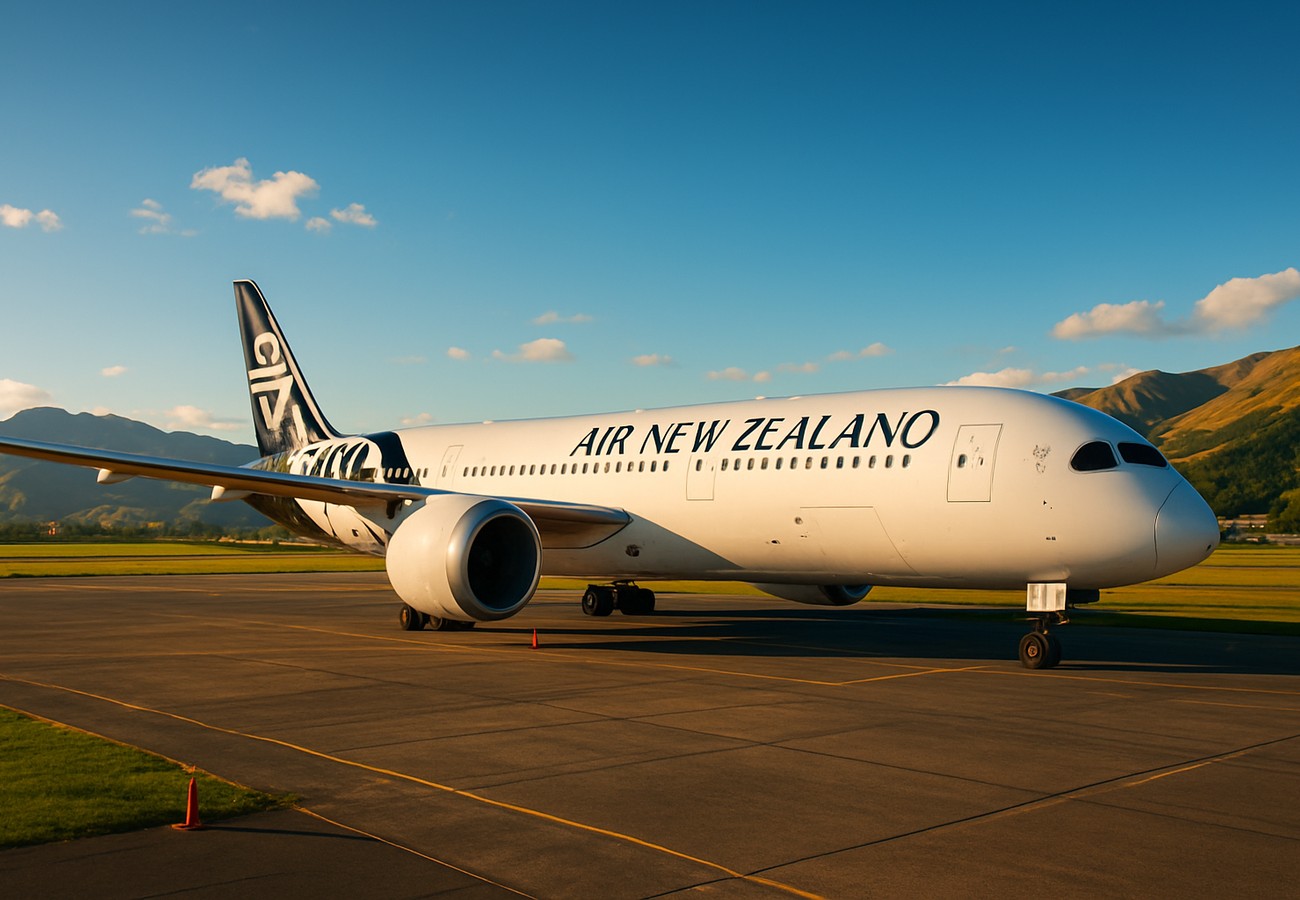
Image generated by AI
Air New Zealand Navigates Perfect Storm of Fuel Costs and Engine Failures
Air New Zealand is weathering one of its most challenging operational periods in years, forced to slash hundreds of flights across Christchurch, Wellington, and Nelson as soaring global jet fuel prices collide with severe engine maintenance shortages. The airline's network has contracted significantly, leaving passengers scrambling to reschedule trips and regional airports facing reduced connectivity.
The disruptions stem from two converging crises: unprecedented volatility in international aviation fuel markets and widespread groundings of aircraft powered by Pratt & Whitney GTF engines and Rolls-Royce Trent 1000 engines. This combination has created operational chaos that extends beyond New Zealand's borders, signaling broader challenges facing the aviation sector in 2026.
Reddit: "Just had my Christchurch-Auckland flight cancelled for the third time this month. Air New Zealand keeps saying it's fuel costs, but the engine issues are the real problem." — r/newzealand
Global Fuel Volatility Triggers Initial Schedule Reductions
The aviation sector has been hammered by unprecedented jet fuel price spikes following geopolitical tensions in the Middle East. As an island nation entirely dependent on imported jet fuel, New Zealand faces particular vulnerability to international fuel market swings. For airlines like Air New Zealand, which operate long-haul international routes, these price pressures translate directly to operational costs that can quickly spiral beyond forecasts.
The airline responded aggressively, cutting approximately 5% of its flight schedule from March through early May, targeting off-peak domestic routes while preserving core services. A second wave in May and June removed an additional 4% of flights, with regional connections to major hubs absorbing the heaviest reductions. The cumulative impact meant roughly 9% of total network capacity disappeared within weeks.
To offset rising fuel costs, Air New Zealand implemented fare increases across multiple segments. Domestic economy fares were adjusted temporarily, while international long-haul passengers faced a flat NZ$90 increase per one-way ticket. These adjustments remain controversial among frequent travelers, who argue they shift cost burdens disproportionately to leisure passengers.
Engine Maintenance Crisis Creates Cascading Groundings
The fuel crisis alone would strain any airline, but Air New Zealand's fleet reliability issues have amplified the disruption significantly. The airline's Airbus A320neo fleet and Boeing 787-9 Dreamliners have experienced widespread groundings due to premature component wear in their engines—a global issue affecting multiple carriers simultaneously.
Pratt & Whitney and Rolls-Royce have struggled to keep pace with maintenance demand worldwide, creating severe spare parts shortages. Global backlogs mean some aircraft remain grounded for months waiting for engine components or overhauls. In response, Air New Zealand has resorted to leasing spare aircraft purely to harvest operational engines, a costly workaround that underscores the gravity of supply chain disruptions.
The financial toll has been staggering. Despite receiving NZ$55 million in compensation from engine manufacturers, the airline posted an estimated NZ$90 million loss in earnings from groundings alone. Combined with a NZ$59 million pre-tax loss in the first half of the financial year, the airline suspended dividend payments to shareholders and withdrew financial guidance, signaling unprecedented uncertainty about recovery timelines.
Christchurch, Wellington, and Nelson Hit Hardest
Passengers traveling through Christchurch, Wellington, and Nelson airports have borne the operational brunt. Regional connectivity—already thinner than major hubs—has contracted further, with reduced frequencies during off-peak hours limiting travel flexibility. No permanent route cancellations have been announced, but the temporary service reductions are severe enough to reshape travel patterns across the South Island.
Under New Zealand consumer protection law, affected passengers retain specific rights. Depending on disruption circumstances, travelers may claim refunds, rebooking to alternative flights, or compensation—though the airline's interpretation of eligibility criteria remains contested. Government aviation authorities emphasize that passengers should document disruption circumstances and contact the airline promptly to assert entitlements.
Strategic Partnership Expansion Offsets Domestic Cuts
To maintain international competitiveness while managing domestic constraints, Air New Zealand expanded its Singapore Airlines joint venture, launching new routes and adding capacity on stable international corridors. This partnership strategy bypasses Middle Eastern airspace volatility while preserving connectivity to critical markets.
The expansion includes three weekly direct Christchurch-Singapore flights, significantly improving South Island connectivity to Asian markets. Auckland will see four additional weekly frequencies using Boeing 777 and 787 aircraft. These moves reflect the airline's pivot toward international resilience while domestic networks absorb temporary capacity reductions.
Long-Term Fleet Renewal Promises Stability
Looking forward, Air New Zealand is accelerating plans to introduce Boeing 787 Dreamliners powered by General Electric GEnx engines, bypassing the reliability issues plaguing Rolls-Royce powerplants. This fleet modernization represents the airline's long-term answer to current technical challenges, though implementation timelines remain fluid.
The current disruption phase reflects New Zealand aviation's transitional moment—external market pressures and internal technical failures reshaping networks simultaneously. Government authorities and the airline continue monitoring closely, releasing regular updates to maintain passenger safety and operational transparency.
Travelers should monitor real-time flight information, understand passenger rights under New Zealand law, and maintain flexible itineraries. The combination of fuel volatility, engine maintenance bottlenecks, and strategic network rebalancing will likely persist throughout 2026, fundamentally reshaping how passengers navigate New Zealand's aviation landscape.
Buckle up—New Zealand's aviation sector is in transition, and careful planning is now non-negotiable.
Related Travel Guides
- Travel Chaos at Phoenix Sky Harbor: 163 Delays Ground American Airlines, Southwest, and JetBlue on Routes to Chicago, New York, and LA
- Southwest Airlines and LOT Polish Airlines Launch Single-Ticket Connectivity for US-Europe Routes 2026
- Western Sydney Airport Launches Massive Cargo Precinct to Protect Global Supply Chains from Brutal Flight Cancellations and Travel Chaos Infecting Legacy Hubs: Latest Airline News
Disclaimer
This article is for informational and educational purposes only. It does not constitute legal, financial, or professional advice. While we strive to provide accurate and up-to-date information, travel policies, regulations, and conditions change rapidly. Always verify information with official sources before making travel decisions. Nomad Lawyer makes no representations about the accuracy, reliability, completeness, or suitability of the information provided. Readers should consult qualified professionals for advice specific to their circumstances. The views expressed in this article are those of the author and do not necessarily reflect the views of Nomad Lawyer.
Preeti Gunjan
Contributor & Community Manager
A passionate traveller and community builder. Preeti helps grow the Nomad Lawyer community, fostering engagement and bringing the reader experience to life.
Learn more about our team →