
Air New Zealand Ends Year-Long Boeing 787 Grounding as Rolls-Royce Engine Crisis Finally Resolves
Breaking airline news and aviation industry updates for 2026.

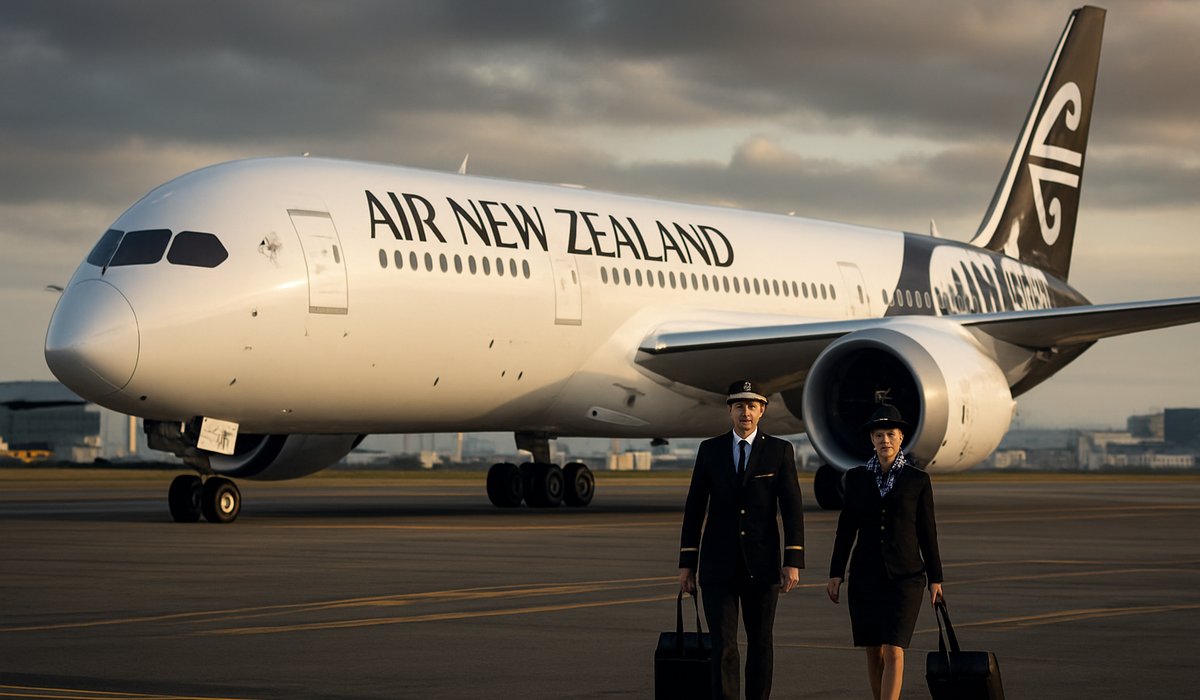
Image generated by AI
Air New Zealand Ends Year-Long Boeing 787 Grounding as Rolls-Royce Engine Crisis Finally Resolves
The carrier's final Dreamliner exits storage, marking a turning point in a prolonged operational nightmare that crippled long-haul capacity
Crisis Resolution Marks Pivotal Moment for New Zealand's National Carrier
Air New Zealand has successfully returned its last grounded Boeing 787-9 Dreamliner to active service, concluding a punishing chapter that saw multiple aircraft sidelined for nearly twelve months due to critical Rolls-Royce Trent 1000 engine defects. The milestone signals potential relief for the Southern Hemisphere carrier as it seeks to restore full operational capacity on its widebody fleet.
The engine reliability crisis, which forced the airline to temporarily suspend key international routes including its Auckland-Seoul service, exposed vulnerabilities in global aviation supply chains already strained by pandemic recovery demands. With the final aircraft now cleared for operations, Air New Zealand can fully deploy its Boeing 787 fleet on long-haul international routes that generate critical revenue.
Understanding the Engine Nightmare
The Rolls-Royce Trent 1000 powering Air New Zealand's 787 fleet experienced premature blade deterioration issues that forced manufacturers and operators into extended inspection and maintenance cycles. This technical deficiency particularly impacted the carrier's ability to maintain scheduled service on premium trans-Pacific routes where the fuel-efficient Dreamliner provides crucial competitive advantage.
The prolonged grounding illustrated how engine reliability failures cascade through airline operations—forcing schedule consolidation, passenger rebooking complications, and revenue erosion at precisely the moment when carriers were rebuilding international demand following pandemic recovery.
Industry-Wide Implications
The resolution of Air New Zealand's fleet constraints provides cautious optimism across the aviation sector. Trent 1000 reliability issues have impacted multiple carriers globally, creating unpredictable capacity constraints when airlines require maximum fleet availability to capitalize on rebounding leisure and business travel demand.
Jet fuel price volatility, ranging dramatically over recent years, has already compressed airline margins significantly. Aircraft availability challenges have prevented carriers from capitalizing fully on higher ticket prices needed to offset fuel surcharges and operational cost increases. The return of Air New Zealand's Dreamliners to service may help restore scheduling reliability and reduce pressure for additional baggage fees or surcharges that carriers have implemented to maintain profitability.
Moving Forward
For Air New Zealand, restoring complete fleet utilization represents more than operational recovery—it enables the carrier to compete effectively on premium long-haul markets where modern, fuel-efficient aircraft differentiate service quality and sustainability credentials. The airline can now deploy its full Dreamliner capacity against competitors on routes where seat availability has been artificially constrained.
Industry observers will monitor whether this resolution signals genuine stabilization in Rolls-Royce engine supply chains or represents temporary relief before additional inspection requirements emerge.
Frequently Asked Questions
What caused Air New Zealand's Boeing 787 grounding? Rolls-Royce Trent 1000 engines powering the aircraft experienced premature blade deterioration, requiring extended inspections and maintenance that left multiple aircraft unable to operate for approximately twelve months.
How do engine problems affect airline baggage fees and ticket prices? Aircraft unavailability forces carriers to consolidate routes, reduce seat availability, and implement additional surcharges including baggage fees to maintain profitability when fleet capacity is restricted.
Which routes were impacted by Air New Zealand's 787 grounding? The Auckland-Seoul service was specifically suspended, though the grounding affected the carrier's complete long-haul network capacity until resolution.
Is the Rolls-Royce Trent 1000 issue resolved industry-wide? While Air New Zealand's fleet has returned to service, Trent 1000 reliability concerns may continue affecting other operators, and additional inspection protocols could be required.
How does jet fuel pricing connect to aircraft availability? Limited fleet availability due to engine issues prevents airlines from adding capacity when fuel surcharges and premium pricing could maximize profitability, directly impacting financial performance during recovery phases.
Related Travel Guides
External Resources
Disclaimer
This article is for informational and educational purposes only. It does not constitute legal, financial, or professional advice. While we strive to provide accurate and up-to-date information, travel policies, regulations, and conditions change rapidly. Always verify information with official sources before making travel decisions. Nomad Lawyer makes no representations about the accuracy, reliability, completeness, or suitability of the information provided. Readers should consult qualified professionals for advice specific to their circumstances. The views expressed in this article are those of the author and do not necessarily reflect the views of Nomad Lawyer.
Kunal K Choudhary
Co-Founder & Contributor
A passionate traveller and tech enthusiast. Kunal contributes to the vision and growth of Nomad Lawyer, bringing fresh perspectives and driving the community forward.
Learn more about our team →