
Boom Supersonic's 2029 Ambition Faces Critical Hurdles Despite Major Milestones
Breaking airline news and aviation industry updates for 2026.

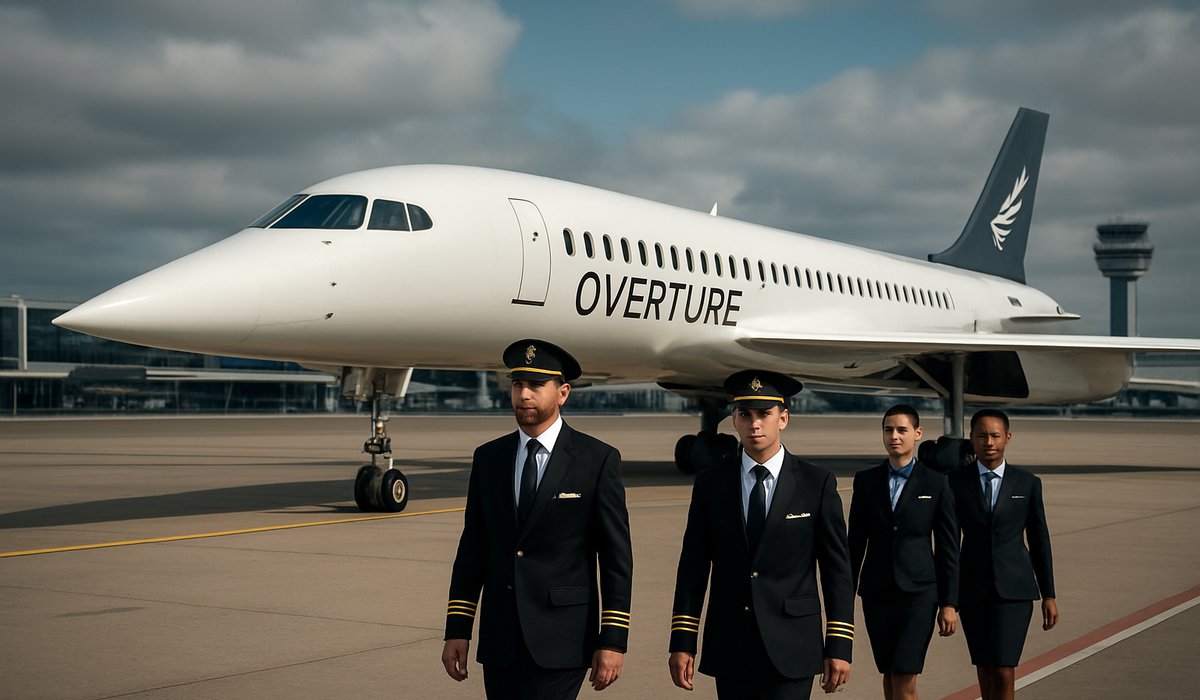
Image generated by AI
Boom Supersonic's 2029 Ambition Faces Critical Hurdles Despite Major Milestones
The startup's race to resurrect commercial supersonic flight confronts unresolved engineering and regulatory obstacles
Boom Supersonic has achieved unprecedented progress in the privately-funded supersonic aircraft sector, yet significant technical and operational challenges threaten its ambitious 2029 timeline for commercial passenger service with its Overture aircraft. While the company has demonstrated sustained momentum through breakthrough achievements, industry experts warn that multiple critical obstacles remain unresolved before the first revenue-generating flights can commence.
Impressive Track Record Masks Fundamental Unknowns
The Colorado-based aerospace venture has assembled an impressive portfolio of accomplishments that distinguish it from decades of failed supersonic ventures. The company successfully conducted supersonic demonstration flights, established dedicated manufacturing facilities, and secured conditional purchase commitments totaling 130 aircraft orders across three major international carriers. Additionally, Boom initiated development of proprietary engine technology after conventional engine manufacturers—including Rolls-Royce and General Electric—declined participation in the project.
These achievements underscore genuine engineering capability and investor confidence in the concept. However, progression through critical development phases and regulatory certification pathways presents formidable barriers that the company's current timeline may underestimate.
Unresolved Technical and Regulatory Frontiers
Despite operational progress, Boom must still navigate uncharted territory in several essential domains. The in-house engine development strategy, while demonstrating independence, creates supply-chain vulnerabilities and extends the traditional validation timelines that established manufacturers typically require. Supersonic propulsion systems demand certification standards that regulatory authorities—including the FAA and EASA—continue refining for contemporary safety and environmental criteria.
Environmental compliance constitutes another significant uncertainty. Overture's fuel consumption rates, noise signatures, and emissions profiles must satisfy increasingly stringent aviation standards that did not exist during the Concorde era. Airport noise restrictions in major metropolitan areas could severely constrain operational routes and commercial viability.
The 2029 Reality Check
Industry observers acknowledge that while 2029 represents an achievable aspirational target, it compresses multiple interconnected development stages into an aggressive timeline. Prototype testing, regulatory certification, pilot training protocols, and supply-chain maturation typically require considerably longer periods than Boom's publicly stated schedule suggests.
The startup's success thus far demonstrates genuine technological capability. However, the gap between demonstrating supersonic flight and operating a certified, commercially-viable passenger service remains substantial—a distinction that has humbled aerospace innovators throughout aviation history.
FAQ: Boom Supersonic and Commercial Supersonic Aviation
When will Boom Supersonic's Overture aircraft actually carry passengers? Boom targets 2029 for passenger service initiation, though industry analysts suggest regulatory certification and supply-chain completion could extend this timeline to the early 2030s.
Which airlines have ordered Boom Supersonic aircraft? Three major carriers have placed conditional orders totaling 130 aircraft, contingent upon successful certification and demonstrated operational feasibility.
Why did engine manufacturers decline to build Boom's supersonic engines? Established turbine manufacturers cited developmental costs, certification complexity, and uncertain commercial demand as factors in declining participation, prompting Boom to pursue proprietary engine development.
What environmental challenges does commercial supersonic flight face? Modern supersonic aircraft must satisfy contemporary noise restrictions, emissions standards, and fuel efficiency requirements that significantly exceed Concorde-era regulations, potentially limiting operational routes.
Has Boom Supersonic actually flown supersonic aircraft? Yes—the company successfully conducted supersonic demonstration flights with its XB-1 testbed, confirming core aerodynamic and propulsion concepts, though this differs substantially from certified commercial service capability.
Related Travel Guides
-
Boeing 747 Freighter Airlines Dominate Global Cargo Operations in 2026
-
Solomon Airlines Establishes Direct Air Link Between Papua New Guinea and Solomon Islands
External Resources
Disclaimer
This article is for informational and educational purposes only. It does not constitute legal, financial, or professional advice. While we strive to provide accurate and up-to-date information, travel policies, regulations, and conditions change rapidly. Always verify information with official sources before making travel decisions. Nomad Lawyer makes no representations about the accuracy, reliability, completeness, or suitability of the information provided. Readers should consult qualified professionals for advice specific to their circumstances. The views expressed in this article are those of the author and do not necessarily reflect the views of Nomad Lawyer.
Kunal K Choudhary
Co-Founder & Contributor
A passionate traveller and tech enthusiast. Kunal contributes to the vision and growth of Nomad Lawyer, bringing fresh perspectives and driving the community forward.
Learn more about our team →