
Air Canada Scraps Long-Haul India Route: Fifth-Freedom Service From Toronto to Mumbai Discontinued
Breaking airline news and aviation industry updates for 2026.

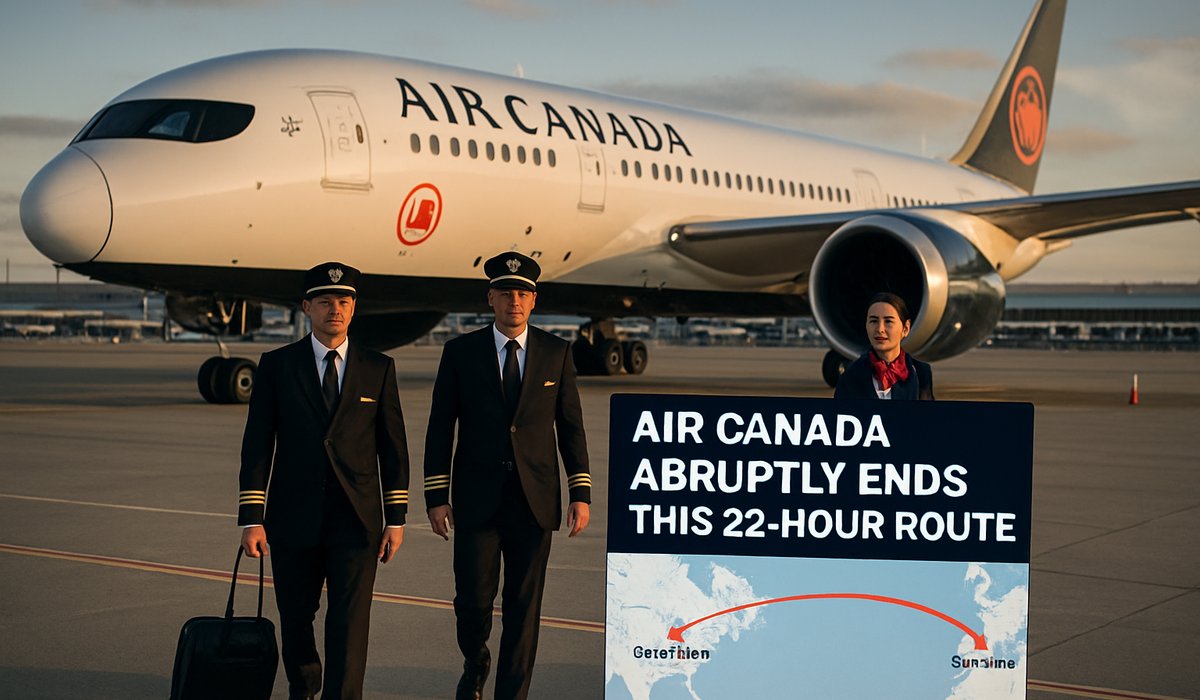
Image generated by AI
Air Canada Scraps Long-Haul India Route: Fifth-Freedom Service From Toronto to Mumbai Discontinued
Carrier halts seasonal operation between North America and South Asia, signaling shifting strategy in competitive international markets
Route Closure Marks Strategic Shift for Canadian Carrier
Air Canada has quietly discontinued its seasonal service connecting Toronto to Mumbai, eliminating one of the airline industry's more complex routing arrangements. The one-stop operation, which routed passengers through London Heathrow as an intermediate point, will not resume for the upcoming winter schedule, according to flight data submitted to aviation analytics platform Cirium.
The decision represents a notable pullback from Air Canada's international expansion efforts at a time when carriers globally are reassessing route profitability amid volatile fuel costs and shifting passenger demand patterns.
Understanding the Fifth-Freedom Route
The discontinued service was structured as a "fifth-freedom" operation—a specialized aviation designation allowing Air Canada to carry passengers between Toronto and Mumbai while stopping at London Heathrow, a hub outside Canadian territory. These routes typically cater to premium business travelers and connecting passengers seeking alternative routing options to major South Asian markets.
Although classified as a seasonal offering rather than year-round service, the route's elimination signals Air Canada's recalibration of its long-haul network strategy, particularly on energy-intensive ultra-long-range corridors where jet fuel expenses and operational complexity significantly impact margins.
Broader Industry Context
The cancellation arrives amid continued pressure across the aviation sector, where carriers balance route expansion against rising operational costs. International fuel surcharges remain elevated, and airlines have increasingly relied on baggage fees and ancillary revenue streams to offset expenses on marginal routes.
Air Canada's decision follows similar network consolidations by competitors, as major carriers focus capacity and resources on high-demand city pairs offering stronger load factors and yield performance. The Mumbai market, while strategically significant for South Asian connections, faces intense competition from Gulf-based carriers and European airlines with established infrastructure in India.
What This Means for Travelers
Passengers previously booking the Toronto-Mumbai-London routing now face limited alternatives on Air Canada's network. The carrier maintains direct service from Toronto to select European cities and continues operations to major Asian hubs, though the Mumbai connectivity via London represented a unique option for certain fare combinations.
The route's withdrawal underscores how airlines continuously optimize schedules based on demand forecasts, crew logistics, and profitability metrics—a reality that can leave travelers with fewer routing choices despite overall industry capacity growth.
Air Canada has not issued formal commentary on the route suspension, though fleet deployment announcements and schedule updates typically reflect strategic portfolio reviews conducted quarterly.
FAQ: Air Canada Route Closures and Airline Schedule Changes
Q: Why do airlines discontinue seasonal routes without advance notice? A: Seasonal routes are evaluated annually against fuel costs, demand forecasts, and profitability thresholds. Airlines often make adjustments quietly through schedule filings rather than public announcements when eliminating underperforming operations.
Q: What is a fifth-freedom airline route, and why are they less common? A: Fifth-freedom rights allow carriers to transport passengers between two foreign countries on an international flight. These routes are complex and require bilateral agreements, making them attractive only when demand justifies the operational complexity.
Q: How do jet fuel prices impact long-haul route decisions? A: Ultra-long-range flights consume significantly more fuel, making them vulnerable when energy costs spike. Routes with lower passenger volumes become unviable during periods of elevated aviation fuel surcharges.
Q: Are there alternative flights from Toronto to Mumbai? A: Yes, passengers can book connections through other carriers or utilize Air Canada's remaining European and Asian hub connections, though routing options and total travel time may increase.
Q: How often do major airlines revise their international schedules? A: Most carriers conduct comprehensive schedule reviews twice annually (winter and summer), with adjustments submitted to aviation authorities and booking systems three to six months in advance.
Related Travel Guides
Disclaimer
This article is for informational and educational purposes only. It does not constitute legal, financial, or professional advice. While we strive to provide accurate and up-to-date information, travel policies, regulations, and conditions change rapidly. Always verify information with official sources before making travel decisions. Nomad Lawyer makes no representations about the accuracy, reliability, completeness, or suitability of the information provided. Readers should consult qualified professionals for advice specific to their circumstances. The views expressed in this article are those of the author and do not necessarily reflect the views of Nomad Lawyer.
Preeti Gunjan
Contributor & Community Manager
A passionate traveller and community builder. Preeti helps grow the Nomad Lawyer community, fostering engagement and bringing the reader experience to life.
Learn more about our team →