
Premium Economy Emerges as Game-Changer: How a Decade Transformed Long-Haul Aviation Strategy
Breaking airline news and aviation industry updates for 2026.

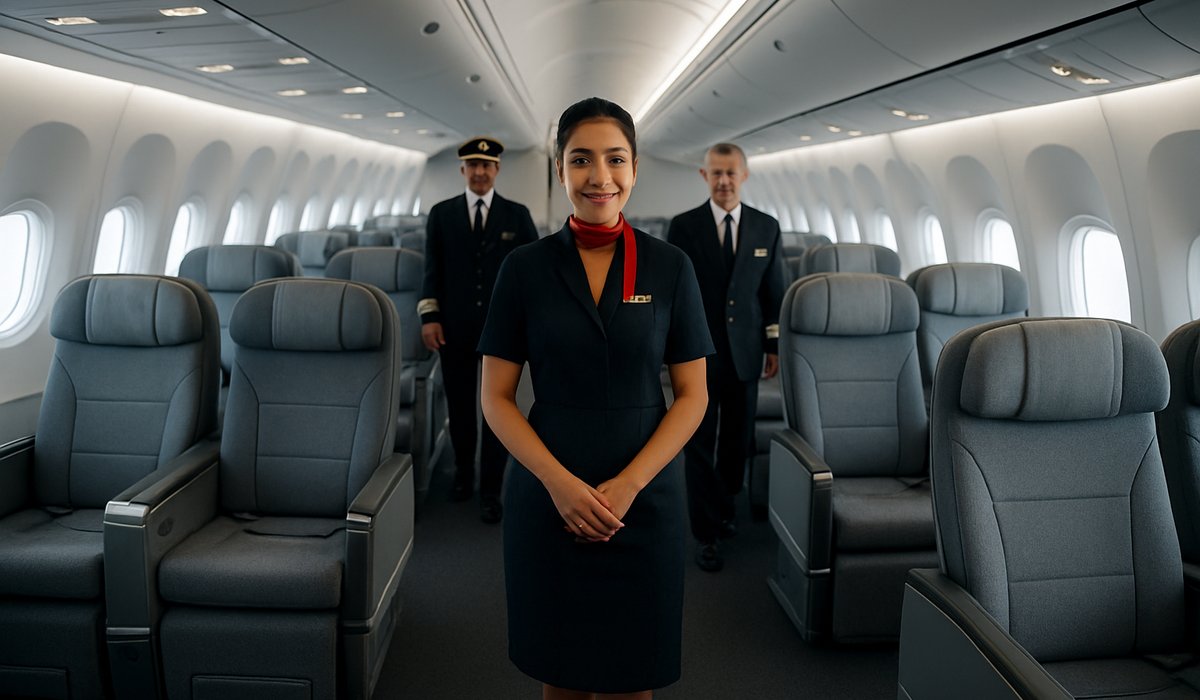
Image generated by AI
Premium Economy Emerges as Game-Changer: How a Decade Transformed Long-Haul Aviation Strategy
A once-overlooked cabin class has become central to airline revenue models and competitive positioning
Premium economy has undergone a dramatic metamorphosis over the past decade, evolving from an overlooked middle-tier offering into a cornerstone of airline strategy on intercontinental routes. What carriers once treated as an afterthought—a transitional space between standard economy and premium business seating—has crystallized into a highly differentiated, revenue-driving product category that now fundamentally reshapes how the aviation industry structures pricing, capacity allocation, and passenger segmentation.
From Marginal to Mission-Critical
A decade ago, premium economy existed in a murky middle ground. Most airlines gave it minimal attention, relegating it to a handful of aircraft on select routes. Today, the cabin class commands dedicated architectural design, specialized seating configurations, and premium service protocols that rival some business-class experiences from years past.
The shift reflects deeper industry realities. Carriers recognized that a growing cohort of business and leisure travelers possessed the financial capacity and willingness to pay for enhanced comfort without committing to full business-class fares—which can exceed $10,000 on major international routes. Premium economy typically costs 50-100% more than economy while undercutting business by 40-60%, positioning it as an attractive sweet spot for cost-conscious premium travelers.
Strategic Repositioning Across Major Carriers
Today's premium economy cabins feature widened seats with enhanced recline capabilities, expanded personal entertainment systems, priority boarding, elevated catering standards, and dedicated cabin service. This represents a complete departure from the makeshift cabin divisions of the early 2010s.
Airlines including British Airways, Singapore Airlines, Lufthansa, and American Airlines have substantially expanded premium economy deployment across their fleets. Industry data indicates that premium economy now represents one of the fastest-growing cabin segments, with load factors and yield management indicating passengers view the class as a legitimate proposition rather than a compromise option.
Revenue Impact and Market Implications
The cabin's maturation has profound financial implications. For carriers operating long-haul networks, premium economy generates substantially higher revenue per seat-mile than economy while consuming less operational complexity than business-class premium services. This efficiency has made it integral to profitability on routes spanning 6+ hours.
The transformation also reflects evolving travel patterns post-pandemic. Remote work flexibility has created a new demographic: professionals willing to invest in comfort for extended flights without corporate travel budgets underwriting business-class upgrades.
Looking Forward
As airlines continue modernizing their fleets and retrofitting existing aircraft, premium economy will likely absorb an ever-larger percentage of long-haul capacity. The cabin has transitioned from experimental offering to essential revenue lever—a complete reversal from its status just ten years ago.
Frequently Asked Questions
What exactly is premium economy on airlines? Premium economy is an intermediate cabin class offering enhanced comfort, wider seats with better recline, priority services, and upgraded meals—positioned between standard economy and business class at significantly lower costs than business fares.
How much more expensive is premium economy than regular economy? Typically, premium economy costs 50-100% more than economy pricing on the same route, though this varies by airline, route, and booking timing.
Which airlines offer the best premium economy products? British Airways, Singapore Airlines, Lufthansa, American Airlines, and Air France are recognized for particularly comprehensive premium economy offerings with dedicated cabin architecture.
Is premium economy worth the extra cost for long-haul flights? For flights exceeding 6-8 hours, premium economy's enhanced seating, service, and amenities generally provide meaningful comfort improvements—making it particularly valuable for business travelers and leisure passengers prioritizing sleep quality on overnight routes.
How has premium economy affected overall airline revenues? Premium economy has become one of the fastest-growing revenue streams for international carriers, demonstrating strong demand and contributing substantially to profitability on long-haul networks.
Related Travel Guides
Flight Delay Compensation Guide 2026
Understanding Airline Route Changes
Airport Security Process Updated (2026)
External Resources
Disclaimer
This article is for informational and educational purposes only. It does not constitute legal, financial, or professional advice. While we strive to provide accurate and up-to-date information, travel policies, regulations, and conditions change rapidly. Always verify information with official sources before making travel decisions. Nomad Lawyer makes no representations about the accuracy, reliability, completeness, or suitability of the information provided. Readers should consult qualified professionals for advice specific to their circumstances. The views expressed in this article are those of the author and do not necessarily reflect the views of Nomad Lawyer.
Raushan Kumar
Founder & Lead Developer
Full-stack developer with 11+ years of experience and a passionate traveller. Raushan built Nomad Lawyer from the ground up with a vision to create the best travel and law experience on the web.
Learn more about our team →