
Air Arabia Doha Cancellations Disrupt Gulf Regional Service in 2026
Air Arabia has cancelled at least three key flights on its Doha–Sharjah route in April 2026 as Gulf carriers struggle to stabilize schedules following weeks of airspace restrictions. Hundreds of passengers face rebooking chaos and limited alternatives.

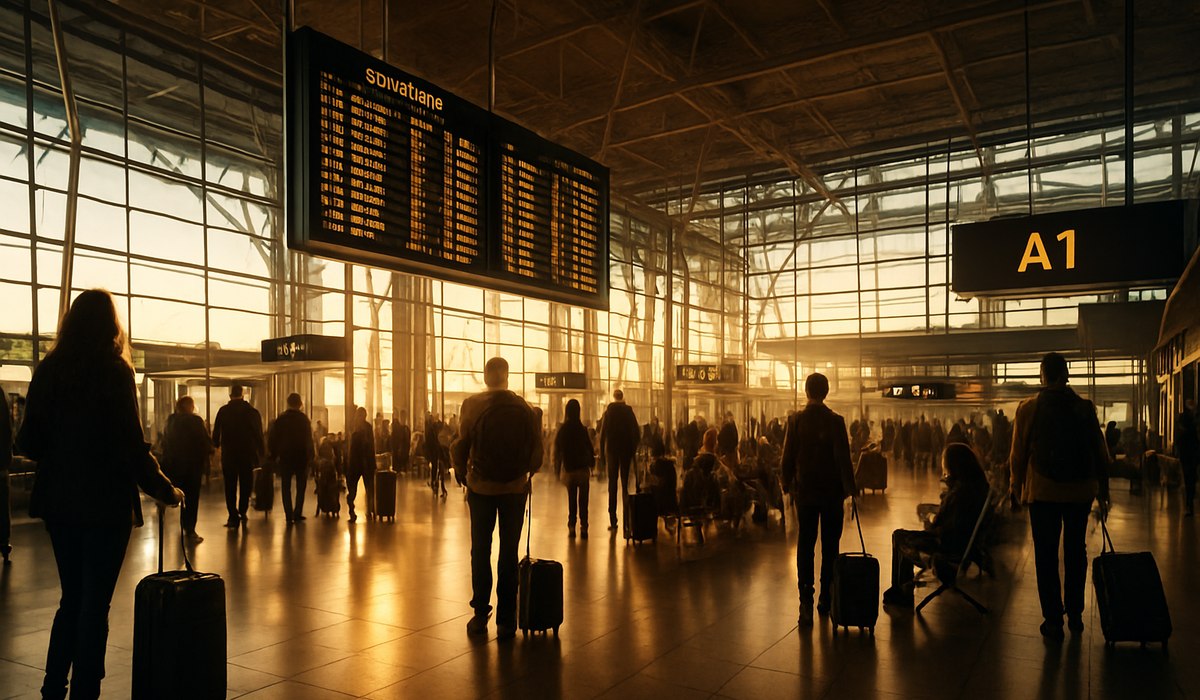
Image generated by AI
Air Arabia Scraps Multiple Doha–Sharjah Flights Amid Regional Instability
Air Arabia has eliminated at least three scheduled flights on its Doha–Sharjah corridor, leaving hundreds of passengers scrambling for alternative routes as the Gulf's aviation network continues its fragile recovery from prolonged airspace restrictions. The cancellations, announced with minimal advance notice between April 24–27, 2026, have created widespread booking chaos at both Hamad International Airport in Doha and Sharjah International Airport, the carrier's primary hub. Affected travelers report day-of-travel uncertainty, lengthy rebooking delays, and limited seat availability on competing carriers as major Gulf airlines prioritize long-haul and high-demand routes over secondary regional connections.
Air Arabia Doha–Sharjah Cancellations: Latest Disruptions Hit Regional Service
The Doha–Sharjah route represents one of the Gulf's most frequently operated short-haul corridors, with Air Arabia typically offering multiple daily rotations between the two cities. However, recent operational constraints have transformed this normally reliable service into an unpredictable patchwork of confirmed flights, last-minute cancellations, and rescheduled departures.
According to real-time flight tracking data available through FlightAware, multiple Air Arabia rotations disappeared from operational schedules within 48-hour windows. These cancellations affected both outbound services departing Doha and return legs into Qatar, fragmenting what passengers expected to be a straightforward regional connection. For travelers who booked months in advance on assumptions of stable Gulf connectivity, the sudden changes created confusion that often only became apparent upon arrival at the airport.
The timing of these cancellations coincides with broader Gulf aviation volatility. Airlines across Qatar and the United Arab Emirates are still clearing backlogs from March's extended airspace closures, which stranded thousands of passengers and forced significant network reconfiguration. As carriers rebuild schedules, short-haul regional routes like Doha–Sharjah have become particularly vulnerable, with airlines prioritizing profitable long-haul connections and major hub-to-hub corridors.
Gulf Airspace Recovery Leaves Short-Haul Routes Vulnerable
The underlying cause of Air Arabia's recent cancellations traces back to weeks of airspace restrictions that disrupted normal flight patterns across the Qatar-UAE corridor. While major carriers have gradually resumed international operations, the recovery remains uneven and fragile. Secondary regional routes continue to absorb operational pressures as aircraft, crew, and airport capacity remain strained.
Hamad International Airport officials have confirmed that ground-handling congestion and crew scheduling conflicts persist despite partial capacity normalization. These systemic constraints disproportionately affect budget carriers like Air Arabia, which operate on thinner margins and depend on consistent aircraft utilization to maintain profitability. When unexpected disruptions force schedule changes, low-cost operators face greater financial pressure to consolidate flights or suspend service temporarily.
At Sharjah International Airport, Air Arabia's status as the facility's anchor carrier means that operational instability resonates throughout the entire network. When inbound aircraft from Doha fail to arrive as scheduled, downstream departures to South Asia, North Africa, and Eastern Europe face corresponding delays or cancellations. Passengers with no direct involvement in Doha service nonetheless experience rebooking disruptions due to the cascading effects of regional connectivity loss.
Passenger Impact: Day-of-Travel Uncertainty and Booking Chaos
Stranded travelers have reported significant hardship as Air Arabia cancellations unfolded across Doha and Sharjah. Many passengers arrived at airports expecting to board scheduled flights, only to discover cancellations announced hours before departure or—in some cases—only when check-in systems showed flights removed from the roster.
Those seeking alternative routings face severely constrained options. Seats on competing carriers via Dubai or Abu Dhabi are heavily subscribed as airlines rebuild post-restriction schedules. Premium-fare tickets on full-service operators Qatar Airways and Etihad represent the only guaranteed alternatives, creating substantial unplanned expenses for budget-conscious travelers. Some passengers have reported being advised to utilize ground transport within the UAE—adding border formalities, taxi costs, and lengthy road transfers to already extended journeys.
Hotel availability around both Doha and Sharjah has tightened at peak travel periods, meaning overnight rebooking often requires significant additional accommodation expenses. Passengers posted accounts on expatriate and travel forums describing overnight stays in airport terminals, uncertain whether replacement flights would materialize by morning. For labor migrants, family visitors, and business travelers accustomed to reliable low-cost regional connectivity, the disruption represents not merely inconvenience but genuine financial strain.
What Travelers Need to Know About Regional Flight Stability
Current conditions affecting Air Arabia Doha–Sharjah service reflect broader Gulf aviation volatility that is likely to persist through May 2026. Travelers planning regional movement between Qatar and the United Arab Emirates should prepare for uncertainty and maintain flexibility in booking strategies.
The most reliable approach involves monitoring schedules through FlightAware regularly rather than assuming advance bookings will operate as scheduled. Passengers should also review their ticket terms carefully—low-cost fares often include restrictive change and cancellation policies that limit flexibility during disruptions. When facing cancellations, contacting Air Arabia directly typically yields faster rebooking outcomes than waiting for automated notifications.
Travelers entitled to passenger rights compensation should preserve documentation of cancellations, itinerary changes, and additional expenses incurred. Under U.S. Department of Transportation guidelines referenced at US DOT, airline passenger protections vary by jurisdiction and ticket class, but passengers should always request written cancellation confirmations and rebooking offers in writing.
For those with flexible schedules, shifting travel dates to avoid peak demand periods offers the best chance of stable connectivity. Conversely, passengers with fixed commitments should budget alternative routing costs and book directly with airlines rather than through third-party platforms, which may delay rebooking communications.
Key Disruption Metrics: Air Arabia Doha–Sharjah Route (April 2026)
| Metric | Detail |
|---|---|
| Affected Route | Doha (HIA) – Sharjah (SHJ) |
| Operating Airline | Air Arabia (G9) |
| Confirmed Cancellations | 3+ scheduled flights (April 24–27, 2026) |
| Estimated Passengers Impacted | 400–600+ across cancelled rotations |
| Primary Cause | Airspace restrictions recovery; crew/aircraft scheduling conflicts |
| Booking System Status | Inconsistent schedule visibility; rebooking chaos reported |
| Recovery Timeline | Estimated stabilization by early May 2026 (subject to change) |
| Alternative Routes Available | Air Arabia via Dubai (DXB); Qatar Airways/Etihad via HIA; Fly Dubai via DXB |
| Passenger Rights | Rebooking, partial refunds, travel credits (policies vary by ticket class) |
Traveler Action Checklist
Follow these steps if your Air Arabia Doha–Sharjah flight is cancelled or disrupted:
-
Check flight status immediately – Visit FlightAware or the Air Arabia website to confirm cancellation status and any rebooking offers already issued.
-
Contact Air Arabia directly – Call the airline's customer service line or visit a ticketing counter rather than relying on automated notifications, which may be delayed or incomplete.
-
Document all cancellation communications – Screenshot booking confirmations, cancellation notices, and rebooking offers. Retain email confirmations and record conversation details (agent names
Disclaimer
This article is for informational and educational purposes only. It does not constitute legal, financial, or professional advice. While we strive to provide accurate and up-to-date information, travel policies, regulations, and conditions change rapidly. Always verify information with official sources before making travel decisions. Nomad Lawyer makes no representations about the accuracy, reliability, completeness, or suitability of the information provided. Readers should consult qualified professionals for advice specific to their circumstances. The views expressed in this article are those of the author and do not necessarily reflect the views of Nomad Lawyer.
Kunal K Choudhary
Co-Founder & Contributor
A passionate traveller and tech enthusiast. Kunal contributes to the vision and growth of Nomad Lawyer, bringing fresh perspectives and driving the community forward.
Learn more about our team →