
Storm Disruptions Strand Detroit Metro Passengers After Midwest Weather
Detroit Metropolitan Wayne County Airport faced fresh travel chaos April 27, 2026 as weather-related crew repositioning triggered dozens of delays. Storm disruptions strand operations across major carriers one week after severe Midwest weather systems.

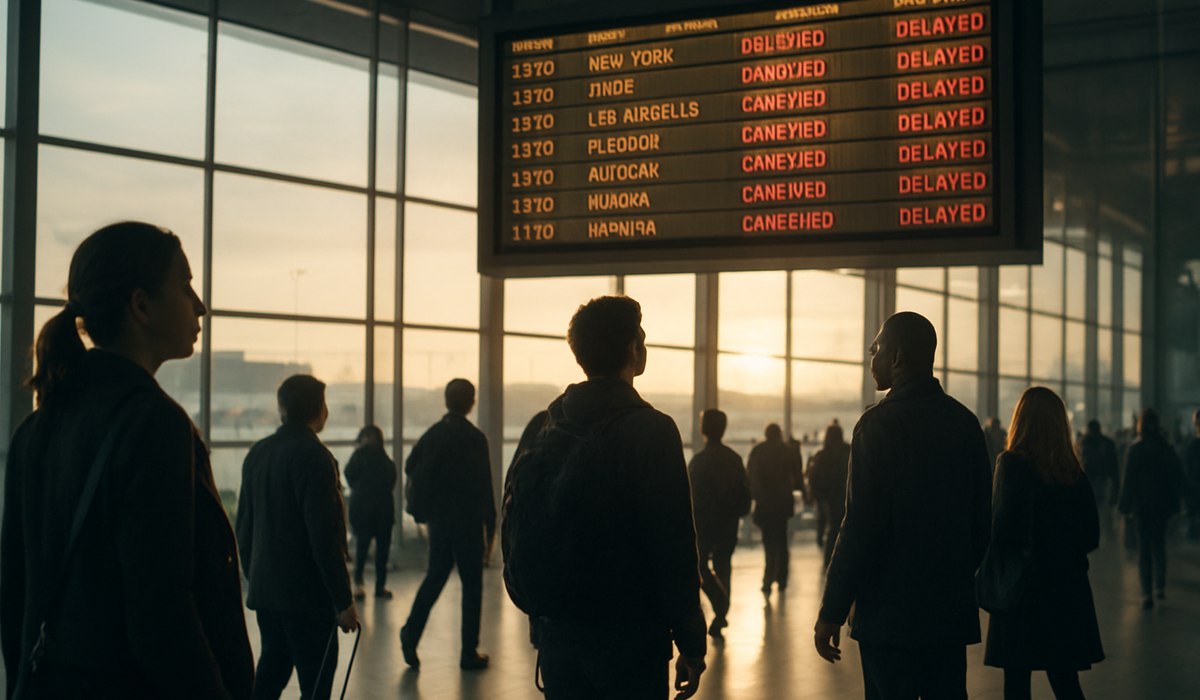
Image generated by AI
Detroit Hub Faces Cascading Travel Chaos
Detroit Metropolitan Wayne County Airport experienced significant operational disruptions on April 27, 2026, as storm disruptions strand hundreds of passengers across multiple carriers. The airport recorded approximately 40 delays and four cancellations involving SkyWest, Delta Air Lines, and Southwest—stemming not from local weather, but from cascading effects of severe storms that impacted the broader Midwest network more than a week earlier. The disruptions highlighted how weather events at major connecting hubs continue rippling through the aviation system long after clear skies return to individual airports.
April 27 Disruptions Hit Detroit Hub Hard
Weather conditions over Detroit on the morning of April 27 were favorable—clear skies, light winds, and calm conditions. Yet the storm disruptions strand passengers nonetheless, revealing a critical vulnerability in how airline networks respond to weather-induced crew and aircraft positioning challenges. The April 20 weather event alone triggered over 4,300 delayed and canceled flights nationwide, with Detroit serving as one of the hardest-hit hubs. By April 27, lingering imbalances in crew schedules and aircraft positioning meant airlines were still struggling to restore normal operations.
SkyWest's regional operations proved particularly susceptible to these cascading effects. As the regional carrier operating flights on behalf of Delta and other major airlines, SkyWest serves as a vital connector bringing passengers from smaller surrounding markets into Detroit's network hub. When storms disrupt these feeder routes, the ripple effects extend far beyond the regional operation—they compress available aircraft and crews for subsequent flights. Flight tracking data indicated that several short-haul connections under major brand codes experienced delays exceeding one hour, creating significant backlogs at customer service desks as passengers sought rebooking options.
Cascading Effects From Week-Old Storm Systems
The meteorological event of April 20 established a weather pattern that continued affecting airline operations throughout the subsequent week. Industry data from national disruption tracking services documented how the initial storm system's impact on major Midwest and East Coast airports created a domino effect. When storms strike critical hub cities like Chicago and Boston—both major feeder markets to Detroit—the resulting aircraft repositioning needs extend far beyond those airports.
Detroit's role as a connecting hub for both domestic and international traffic amplified these secondary effects. Airlines typically pre-position aircraft and crews based on anticipated demand and historical patterns. A major weather disruption suddenly places aircraft in the wrong cities, strands crews away from their home bases, and creates scheduling conflicts that compound across multiple flight rotations. Even modest delays on connecting flights cascade into longer waits for passengers attempting to reach their final destinations.
The April 27 delays affected several significant long-haul routes from Detroit, including transatlantic services to Frankfurt and Munich, as well as Middle East connections to Amman. These international routes depend on precise crew scheduling and aircraft availability. When crews become available later than expected due to earlier delays, entire international departure sequences shift backward, creating downstream effects that stretch into subsequent days. Passengers with tight international connections face particularly acute risks during these periods.
Detroit's Vulnerability as Critical Connecting Hub
Detroit Metropolitan Wayne County Airport functions as a critical North American connecting hub, particularly for transatlantic and Middle Eastern traffic. Its strategic importance means that operational disruptions here carry disproportionate consequences across broader networks. The airport's position as a gateway for European and Gulf region travel means that even modest delays on flagship routes can disconnect hundreds of passengers from important onward flights.
Frankfurt and Munich represent among Detroit's most important European destinations, typically operated through transatlantic joint ventures with international carriers. When even one transatlantic departure faces significant delay, passengers risk missing onward European connections. Return services later in the same day often cascade into secondary delays as aircraft and crews fall progressively further behind schedule. These international routes operate on tight margins with limited flexibility for accommodation.
Amman service, offered in partnership with Middle Eastern carriers, provides important connectivity for Midwest passengers traveling to the Levant and Gulf regions. This route becomes particularly challenging to resolve during disruptions because fewer alternative nonstop options exist compared to high-volume domestic corridors. Complex rebooking through alternate hubs becomes necessary, requiring coordination across multiple airline partnerships and often resulting in significantly extended travel times for affected passengers.
Domestically, Detroit's heavy traffic to Boston and Chicago amplifies the impact of even small schedule adjustments. These routes serve both business and leisure travelers while feeding into extensive networks at each endpoint. When storm disruptions strand aircraft or crews at these feeder hubs, Detroit-based passengers experience extended waits as airlines work to reposition resources. The interconnected nature of modern airline networks means that weather impact at one major hub quickly becomes a passenger experience issue at multiple other locations.
What Travelers Should Know
Understanding how weather disruptions propagate through airline networks helps travelers make informed decisions during periods of operational strain. The April 27 situation at Detroit illustrated how recent severe weather can affect your plans even when local conditions improve. Here's what you need to know:
1. Monitor crew positioning impacts: When major storms disrupt operations across multiple hubs, subsequent delays often stem from aircraft and crews being out of position. Even if weather improves at your departure airport, cascading delays from other locations may still affect your flight. Check real-time flight status tracking services 24-48 hours before travel.
2. Build flexibility into connections: Passengers with tight connections through Detroit during periods following regional weather events face elevated risk of missing onward flights. Booking longer connection windows or arranging flexible rebooking options in advance provides important protection. Consider flying the day before critical meetings when possible.
3. Expect extended customer service wait times: When multiple airlines experience simultaneous disruptions, airport customer service desks become overwhelmed. Arrive at the airport earlier than normal and use airline apps or phone lines to address rebooking needs before arriving at the counter.
4. Utilize airline resources: Most major carriers offer flight status monitoring through mobile apps with real-time delay updates. Southwest, Delta, and SkyWest all provide proactive notification systems—enable notifications to receive updates immediately when changes occur.
5. Document impacts for compensation: European Union regulations and U.S. carrier policies may entitle you to compensation for weather-related delays exceeding certain thresholds. Retain documentation including original booking confirmations, boarding passes, and delay notifications.
| Metric | April 20 System-Wide | April 27 Detroit Hub | Primary Carriers |
|---|---|---|---|
| Nationwide delayed flights | 4,300+ | Regional impact | Multiple |
| Detroit-area cancellations | Not specified | 4 | SkyWest, Delta, Southwest |
| Detroit-area delays | Major disruption | ~40 flights | Regional + major carriers |
| Affected international routes | Midwest/East Coast | Frankfurt, Munich, Amman | Delta partnerships |
| Affected domestic routes | Nationwide | Boston, Chicago | All three carriers |
| Primary cause April 27 | N/A | Crew positioning | Weather-related cascades |
FAQ: Storm Disruptions and Detroit Travel
Q: Will delays continue at Detroit beyond April 27? Weather-related crew and aircraft positioning issues can persist for 48-72 hours after initial disruptions. Passengers traveling April 28-29 should expect potential residual delays as airlines continue normalizing schedules. Monitor airline communications closely and allow extra time for connections.
Q: How does Detroit's hub status affect my travel options? As a major connecting hub, Detroit's operational status impacts nationwide travel. Delays here affect passengers from across North America, not just those originating in Detroit. If you have flexibility, consider routing through alternate hubs when possible during known disruption periods.
Q: What compensation am I entitled to for weather-related delays? U.S. carriers typically don't provide compensation for weather-related delays. However, EU regulations require compensation for delays over three hours on flights departing European airports. Review your airline's specific policies regarding rebooking and meal vouchers.
**Q: Should I
Disclaimer
This article is for informational and educational purposes only. It does not constitute legal, financial, or professional advice. While we strive to provide accurate and up-to-date information, travel policies, regulations, and conditions change rapidly. Always verify information with official sources before making travel decisions. Nomad Lawyer makes no representations about the accuracy, reliability, completeness, or suitability of the information provided. Readers should consult qualified professionals for advice specific to their circumstances. The views expressed in this article are those of the author and do not necessarily reflect the views of Nomad Lawyer.
Raushan Kumar
Founder & Lead Developer
Full-stack developer with 11+ years of experience and a passionate traveller. Raushan built Nomad Lawyer from the ground up with a vision to create the best travel and law experience on the web.
Learn more about our team →