
Air Arabia Cancellations Doha–Sharjah: Gulf Recovery Disrupted April 2026
Air Arabia abruptly canceled two Doha–Sharjah flights on April 26, 2026, stranding passengers at Hamad International Airport as Gulf aviation struggles to recover from regional closures. Travelers face limited alternatives and cascading itinerary delays.

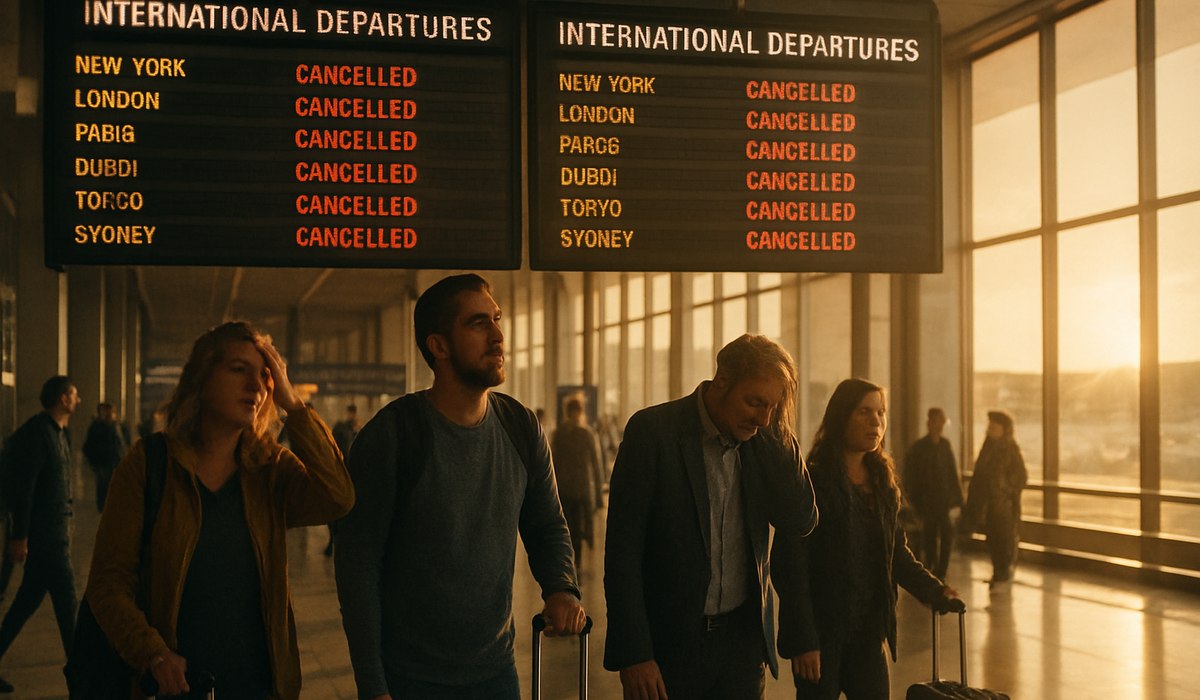
Image generated by AI
Air Arabia Cancellations Leave Hundreds Stranded at Hamad International Airport
Air Arabia abruptly canceled two scheduled Doha–Sharjah flights on April 26, 2026, stranding dozens of passengers at Hamad International Airport just as Gulf aviation began recovering from weeks of regional closures. The disruption struck just four days after the low-cost carrier resumed operations on the Qatar-UAE corridor, deepening uncertainty about flight reliability across the fragile Gulf network.
A Sudden Setback on a Reopening Gulf Corridor
The air arabia cancellations doha sharjah route represents a critical link in regional aviation, connecting Qatar's primary hub with the carrier's operational base in the United Arab Emirates. The timing proved especially damaging—Air Arabia had only restarted this service on April 22, 2026, as part of a broader industry recovery following the partial reopening of Qatari airspace in March.
Operational reports from Hamad International Airport confirm that the carrier abruptly withdrew both scheduled departures without advance warning to booked passengers. This decision contradicted optimistic recovery projections issued by Qatar's Civil Aviation Authority, which had begun welcoming back foreign airlines under a phased schedule.
The cancellations underscore how precarious regional stability remains. While Qatar Airways has resumed daily services to Dubai and Sharjah, system-wide capacity sits well below pre-crisis levels. Even the loss of two flights creates cascading effects across connecting itineraries that depend on Sharjah as a transfer hub to South Asia, North Africa, and Southeast Asia.
Timeline: When Air Arabia Resumed and Why Cancellations Matter
Air Arabia's service restoration occurred in stages across the Gulf region during April 2026. On April 21, Flydubai restarted Doha operations, followed by Air Arabia one day later. These resumptions appeared to signal stabilization after the devastating impact of late-February missile attacks and enforced airspace closures.
The April 26 cancellations represent the first major setback since the phased recovery began. Industry analysts attribute the withdrawal to crew scheduling conflicts, maintenance requirements, or precautionary airspace restrictions—though Air Arabia has not publicly confirmed the cause. The lack of transparency has fueled passenger frustration and broader confidence concerns.
For travelers dependent on the Doha–Sharjah corridor, the cancellations proved devastating. This short 150-nautical-mile route typically operates as a budget-friendly bridge for workers and families traveling between Qatar and destinations throughout Asia and Africa. When that bridge collapses without notice, alternative routing frequently requires higher fares or longer journeys via third countries.
Check real-time flight status updates on FlightAware for current Air Arabia schedules and confirmed departures.
Cascading Effects on Regional Connectivity and Passengers
The air arabia cancellations doha sharjah incident reveals how interconnected modern Gulf aviation has become—and how fragile it remains. Hundreds of passengers faced immediate rebooking nightmares. Some travelers had already checked in or arrived early expecting congestion, only to discover their flights no longer existed.
Alternative capacity proved scarce. Flights on competing carriers including gulf airlines operators sold out quickly. Standby lists grew longer by the hour. Many travelers discovered that replacement seats on nearby routes such as Doha–Dubai were unavailable or required substantial fare increases.
The disruption proved particularly acute for time-sensitive travelers: those with expiring work visas, pending job start dates, family emergencies, or school term deadlines. An unexpected overnight stay transformed into lost wages, missed immigration appointments, and unplanned accommodation expenses.
Sharjah International Airport confirmed receiving unusual passenger volumes as stranded travelers sought alternative departure points. Ground handling teams worked extended hours processing rebooking requests, though limited airline cooperation slowed resolution timelines significantly.
The incident also spotlighted Qatar's broader recovery challenges. While the nation resumed scheduled commercial operations in March after the airspace closure, capacity constraints remain acute. The fragile equilibrium between demand and available seats means even minor schedule changes cascade across the entire regional network.
What Travelers Should Know: Alternatives and Recovery Prospects
Hamad International Airport has issued advisories recommending passengers book connecting flights with minimum 4-hour layovers until regional stability improves. Airlines operating the Doha–Sharjah corridor should experience normalized schedules by mid-June if no further disruptions occur.
Air Arabia announced it would restore the canceled flights to its April 27 schedule. However, passengers affected on April 26 remain eligible for compensation under EU Regulation 261/2004 (if applicable to their ticket conditions) or equivalent protections under Qatari or UAE consumer protection frameworks.
Alternative routing options include:
- Doha to Dubai via Qatar Airways, then domestic coach connection to Sharjah
- Doha to Abu Dhabi via Etihad, then ground transfer to Sharjah
- Ground transport via bus services (6–8 hour journey, but available same-day)
Passengers should contact their booking agent immediately to explore options. Air Arabia's customer service center at Sharjah International Airport operates 24/7 for rebooking requests. The U.S. Department of Transportation's consumer protection guidelines outline passenger rights for flight cancellations, though applicability varies by ticket type and departure point.
Travelers planning future Gulf itineraries should build extended layovers and avoid tight connections until at least June 2026. Purchasing travel insurance with strong coverage for airline disruptions provides additional protection during this recovery period.
Traveler Action Checklist
If your flight was canceled or you're booked on Air Arabia routes through Gulf hubs, follow these steps:
-
Contact your airline or booking agent immediately via phone rather than email—response times are accelerated for verbal requests during disruptions.
-
Document all communication including booking confirmation numbers, cancellation notices, and rebooking attempts for compensation claims.
-
Request compensation under passenger rights protections applicable to your ticket class and departure country—check the FAA's air passenger rights page for U.S. departures.
-
Explore alternative routing using major booking platforms, filtering for same-day departures from Doha or Abu Dhabi to your final destination.
-
Photograph and document receipts for all out-of-pocket expenses including hotels, meals, and ground transportation—these may qualify for reimbursement.
-
Monitor your airline email for schedule updates and rebooking confirmations; check FlightAware every 6 hours for real-time status.
-
File formal complaints with your national aviation authority and submit feedback to your travel insurance provider for claim eligibility verification.
FAQ
Q: Will Air Arabia resume Doha–Sharjah flights soon?
A: Air Arabia confirmed restoration of the canceled April 26 flights to its April 27 schedule. However, flight frequencies may remain below pre-crisis levels. Check the airline's official website or FlightAware for real-time confirmation before arriving at Hamad International Airport.
Q: What compensation am I entitled to if my flight was canceled?
A: Passenger rights depend on ticket class, departure country, and airline policies. EU-booked passengers typically qualify for €250–€600 compensation under Regulation 261/2004. Qatar-booked passengers should contact the Civil Aviation Authority. Verify eligibility with your airline or booking agent before filing claims.
Q: Are other Gulf airlines affected by similar cancellations?
A:
Disclaimer
This article is for informational and educational purposes only. It does not constitute legal, financial, or professional advice. While we strive to provide accurate and up-to-date information, travel policies, regulations, and conditions change rapidly. Always verify information with official sources before making travel decisions. Nomad Lawyer makes no representations about the accuracy, reliability, completeness, or suitability of the information provided. Readers should consult qualified professionals for advice specific to their circumstances. The views expressed in this article are those of the author and do not necessarily reflect the views of Nomad Lawyer.
Kunal K Choudhary
Co-Founder & Contributor
A passionate traveller and tech enthusiast. Kunal contributes to the vision and growth of Nomad Lawyer, bringing fresh perspectives and driving the community forward.
Learn more about our team →