
Afghanistan Tourism Growth: Kabul and Bamyan See Rising Visitor Numbers
Afghanistan reports a rise in domestic and foreign tourists, with 8 million domestic visits and 10,000 foreign arrivals recorded over the past year.
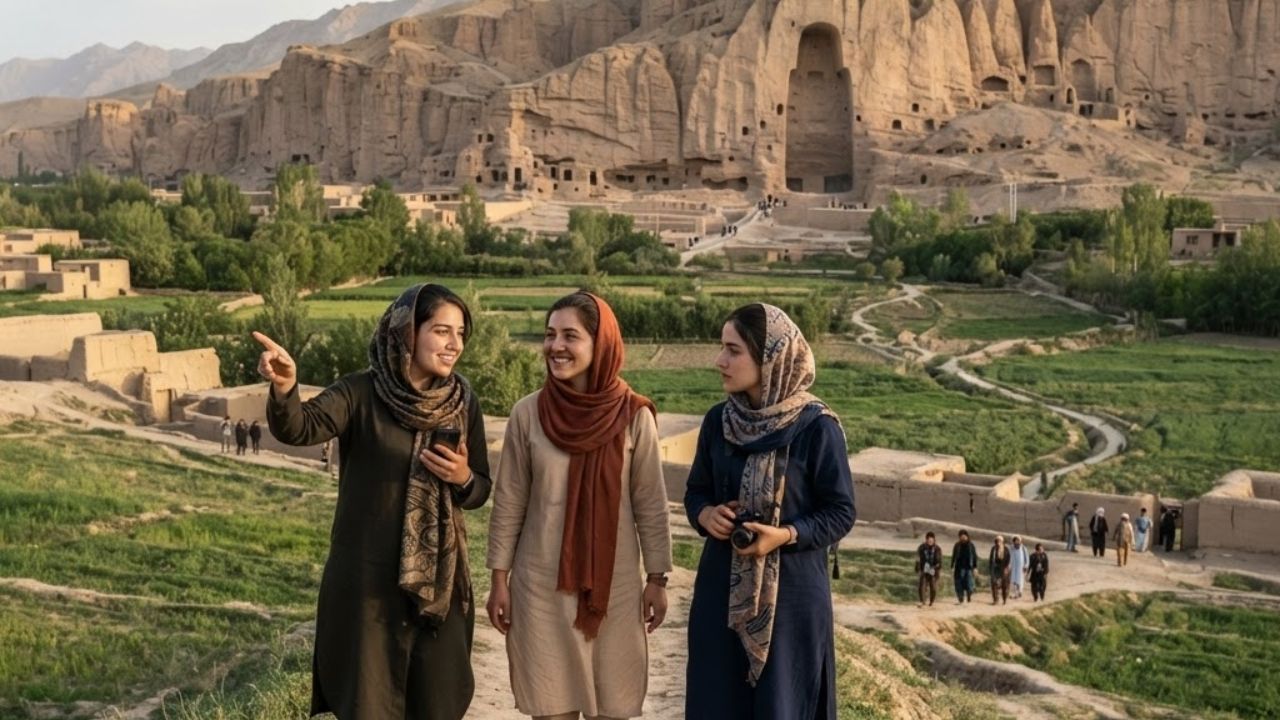
Image generated by AI
Recording 8 million domestic visits and 10,000 international tourist arrivals over the past year, Afghanistan is experiencing a gradual rise in travel activity despite persistent safety warnings.
The statistics, published by the Ministry of Information and Culture of Afghanistan, reveal a travel market dominated by domestic movement, which peaks during major religious holidays. During the Eid al-Fitr holidays on March 24, 2026, natural and recreational attractions recorded nearly 2.3 million visitors, a number that grew to almost 4 million during the Eid al-Adha holidays on June 2, 2026. To support this growth, local tourism authorities are standardizing tour operators, updating visa procedures, and training personnel through the newly reopened Tourism and Hospitality Institute.
The Local Trend Revealed: Small Groups and Heritage Restorations
The rise in foreign arrivals—increasing from nearly 9,000 visitors in 2024 to 10,000 over the past year—is driven by small-group adventure travel operators. Agencies like Young Pioneer Tours and CultureRoad are organizing structured itineraries capped at a maximum of 10 participants, accompanied by local Afghan guides. These tours connect major cultural centers, using Kabul as the primary gateway before transiting to Bamyan, Herat, and Kandahar.
This development is supported by targeted government funding for heritage preservation. On January 6, 2026, the first phase of the restoration of the historic House of Ahmad Shah Baba in Kandahar was completed and opened to tourists. The project cost 17.5 million Afghanis and required 17 months of labor. Additionally, niche travel segments are emerging, with operators offering specialized women-only tours in autumn 2026.
The following table provides the passenger volumes, budget expenditures, and project parameters for the Afghan tourism sector:
| Tourism Performance Metric | Recorded Statistic | Temporal Period / Date | Primary Operational Objective |
|---|---|---|---|
| Domestic Visits | 8 million arrivals | Over the past year | Local travel and regional economy support |
| Foreign Arrivals | 10,000 arrivals | Over the past year | Niche cultural and adventure tourism |
| Eid al-Fitr Visitors | Nearly 2.3 million | March 24, 2026 | Holiday travel to natural attractions |
| Eid al-Adha Visitors | Almost 4 million | June 2, 2026 | Peak seasonal holiday travel volume |
| Kandahar Heritage Budget | 17.5 million Afghanis | Opened January 6, 2026 | Restore historic House of Ahmad Shah Baba |
| Group Travel Cap | Max 10 participants | 2026–2027 Schedules | Ensure safety and manage travel logistics |
Reconstruction of Tourism Services and Hospitality Education
To support the growing number of visitors, local tourism authorities are working to formalize the service industry. In January 2026, the Ministry of Information and Culture held a series of coordination meetings with private travel operators. These sessions focused on standardizing security protocols, streamlining visa facilitation, and licensing reputable travel agencies to prevent uncoordinated movements.
Additionally, the Tourism and Hospitality Institute in Kabul commenced a new academic term in April 2026. The institute provides local students with structured courses in hospitality management, language training, and cultural guiding. By training a new generation of professional guides and service personnel, regional agencies hope to establish a more stable, standardized infrastructure to support both domestic travelers and the specialized international groups visiting the country.
Cultural and Environmental Value: Preserving Silk Road Heritage
For the visitor, the real impact is the opportunity to support the preservation of ancient architectural monuments and local craft economies. In the western city of Herat, travelers visit the Timurid-era Herat Citadel, the Musalla Complex, and the Gawhar Shad Mausoleum, which link the city to historical Silk Road trade routes. In Bamyan, the focus is on the archaeological scenery of the Bamyan Valley and the deep-blue lakes of Band-e-Amir National Park, the country's first national park.
The historical monuments of Herat and Bamyan represent some of the most significant cultural assets in Central Asia. In Herat, the citadel and the Musalla Complex, built under Queen Gawhar Shad in the fifteenth century, stand as masterpieces of Timurid architecture, decorated with intricate blue tile work. These structures connect the region to the trade networks of the Silk Road, when Herat served as a major center of science, literature, and art. In Bamyan, the rock-cut caves and empty niches of the giant Buddha statues carved into the cliffs remain powerful archaeological monuments, reminding visitors of the valley's history as a center of Buddhist learning.
By visiting these sites, travelers contribute directly to regional conservation efforts. Ecotourism practices in Band-e-Amir protect the park’s water quality, while tour spending in local markets supports independent craftsmen selling hand-woven carpets and traditional pottery. Employing local guides certified by the Tourism Directorate of Afghanistan ensures that tourism revenue remains within the local host communities.
Visitor Insider Tips: Navigating Afghanistan Travel Regulations
Travelers considering an itinerary in Afghanistan must prepare for strict regulations and conservative cultural customs:
- Travel Permit Logistics: Foreign tourist groups must be introduced to provincial authorities using official documentation provided by registered tourism companies. Visa, permit, and travel requirements must be finalized before leaving Kabul.
- Cultural Etiquette and Dress Codes: Conservative clothing is mandatory. Women must wear a headscarf (hijab) and loose-fitting, long-sleeved garments in public. Men should avoid wearing shorts. Always remove your shoes before entering mosques or private homes.
- Local Dining Specialties: Try Kabuli Pulao (steamed rice with carrots, raisins, and tender lamb), mantu (dumplings filled with spiced beef or lamb, topped with yogurt and lentil sauce), and freshly baked naan from local clay ovens.
- Under-the-Radar Spot: Visit the Babur Gardens (Bagh-e Babur) in Kabul, a restored Mughal-era garden containing the tomb of Emperor Babur, which offers a peaceful retreat from the city center.
Tourism Outlook: Security Concerns and Regulatory Challenges
The long-term outlook for the tourism sector remains constrained by severe security concerns. In May 2024, a shooting incident in Bamyan resulted in the deaths of three Spanish tourists, highlighting the risks of travel in the region. The UK Foreign, Commonwealth & Development Office (FCDO) and the US Department of State maintain strict Level 4: Do Not Travel advisories for Afghanistan, citing risks of terrorism, kidnapping, and wrongful detention.
While the Ministry of Information and Culture continues to regulate tour companies and upgrade facilities, travelers must understand that tourism growth does not indicate a change in travel safety advisories. Visitors must consult their government's warnings and secure specialized travel insurance before planning any journey.
Key Takeaways
- Visitor Demographics: Afghanistan recorded 8 million domestic visits and 10,000 foreign arrivals over the past year.
- Peak Travel Periods: Travel volumes peaked during the 2026 religious holidays, with 2.3 million visits during Eid al-Fitr and 4 million during Eid al-Adha.
- Heritage Funding: The restoration of the House of Ahmad Shah Baba in Kandahar was completed in January 2026, costing 17.5 million Afghanis.
- Strict Travel Advisories: The UK FCDO and US Department of State maintain Level 4 advisories, warning against all travel due to security concerns.
FAQ
What is the visa process for international tourists visiting Afghanistan?
International travelers must secure visas in advance and obtain provincial travel permits from the Tourism Directorate in Kabul before leaving the capital.
Can women travel to Afghanistan in 2026?
Yes, some adventure travel companies organize specialized women-only tours, though all female travelers must comply with local dress codes and restrictions.
What currency is used in Afghanistan?
The official currency is the Afghani (AFN), and cash is the primary medium of exchange, as international credit cards are not accepted.
Related Travel Guides
Singapore Airlines and Navan Launch Direct NDC Technology Connection
Yunnan Jiangxi Wind Farm: Southwest China's New Green Energy Landmark
Afghanistan Travel Safety and Provincial Permit Logistics Guide
Disclaimer
This article is for informational and educational purposes only. It does not constitute legal, financial, or professional advice. While we strive to provide accurate and up-to-date information, travel policies, regulations, and conditions change rapidly. Always verify information with official sources before making travel decisions. Nomad Lawyer makes no representations about the accuracy, reliability, completeness, or suitability of the information provided. Readers should consult qualified professionals for advice specific to their circumstances. The views expressed in this article are those of the author and do not necessarily reflect the views of Nomad Lawyer.