
5 Most Affordable Neighborhoods in Las Vegas | Apartments.com
5 Most Affordable Neighborhoods in Las Vegas | Apartments.com

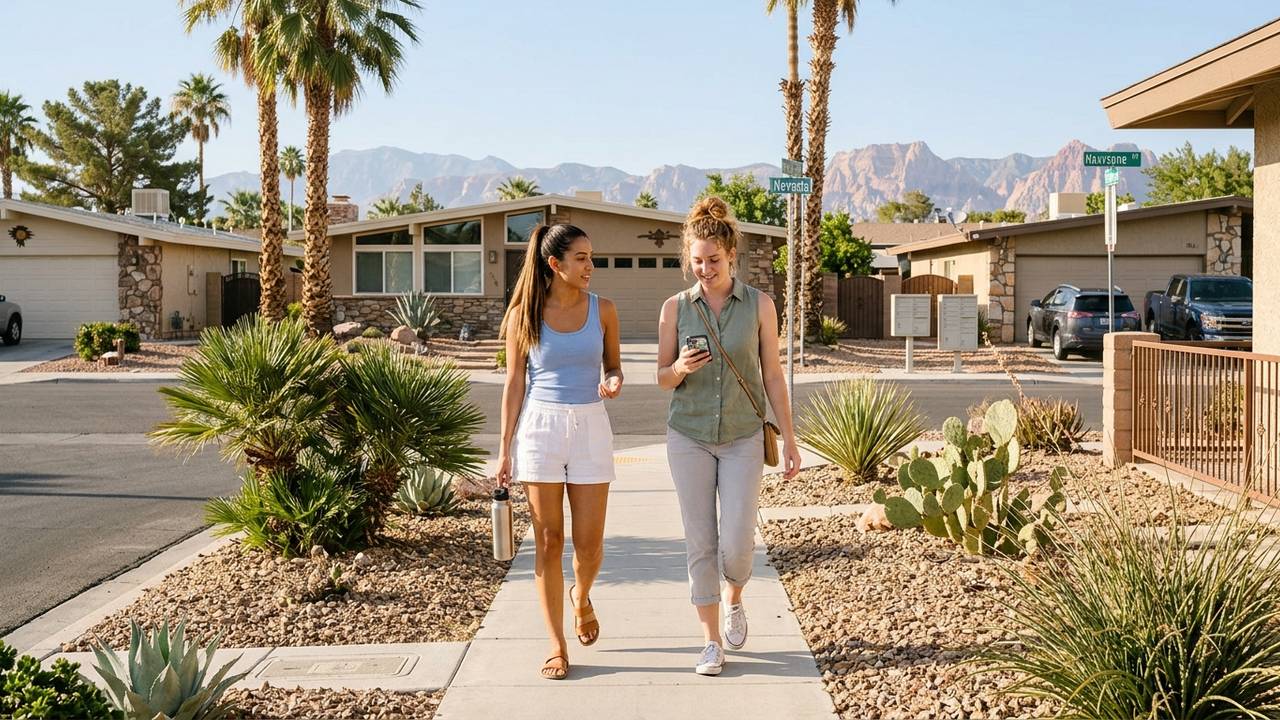
Image generated by AI
LAS VEGAS, NV — Five affordable neighborhoods in Las Vegas currently offer competitive rental rates and direct access to regional transit corridors, positioning them as primary targets for budget-conscious households navigating the 2026 housing cycle. According to current market analysis, these districts average monthly rents between $927 and $1,076 for one-bedroom units, significantly undercutting the metropolitan baseline of $1,280. The pricing shift reflects broader economic adjustments as healthcare networks, educational institutions, and technology firms expand alongside traditional hospitality employment.
The metropolitan housing landscape continues to recalibrate as population growth outpaces new residential construction. With over 679,000 residents documented in recent municipal estimates, demand for entry-level housing remains concentrated in established residential zones rather than high-density resort corridors. Industry observers note that while hospitality and entertainment sectors still anchor regional employment, healthcare providers, the University of Nevada Las Vegas (UNLV), and adjacent technology firms are driving demographic migration patterns. Renter preferences now prioritize commute efficiency, outdoor recreation access, and cost stability over proximity to casino districts. This transition has elevated previously overlooked districts into primary targets for households navigating the current rental cycle.
Downtown East: Cultural Anchors and Strategic Commute Routes
Renters in this eastern district secure one-bedroom units at an average of $1,065 monthly, with median home valuations tracking near $320,000. The area immediately borders the historic Fremont Street corridor, delivering immediate pedestrian access to civic and entertainment infrastructure. Housing stock here blends legacy apartment complexes with recently constructed mid-rise developments, allowing tenants to select between traditional layouts and modern floor plans. Cultural institutions including Cashman Field, the Smith Center for the Performing Arts, and Symphony Park sit within walking distance, reducing daily transit dependencies.
Daily recreation centers on the pedestrian-only Fremont Street Experience, which hosts scheduled concerts, street performers, and interactive LED installations. The adjacent 18b Arts District, accessible via Charleston Boulevard, hosts rotating gallery showcases, municipal murals, and independent dining establishments. The East Las Vegas Community Center operates as a municipal hub, hosting cultural festivals, competitive art exhibitions, and scheduled dance instruction throughout the calendar year. Small business operators maintain a strong commercial footprint along residential streets, reinforcing neighborhood cohesion.
Transportation infrastructure relies heavily on the Regional Transportation Commission (RTC) bus network, which provides cross-valley routing. Interstate 11 runs within a four-mile radius, connecting directly to Interstate 15 for regional commuting. While personal vehicles remain the primary transportation method for most households, the compact street grid supports pedestrian and bicycle travel for local errands.
Midtown Las Vegas: Central Valley Access and Convention Proximity
Monthly rental averages for one-bedroom units in this central zone drop to $927, while median property prices stabilize around $371,000. Positioned northeast of the primary casino corridor, the district serves as a logistical midpoint between residential zones and major commercial hubs. The Las Vegas Country Club occupies substantial land area, offering members exclusive access to maintained fairways and recreational facilities. Adjacent commercial properties include the Westgate Las Vegas Resort & Casino and the Las Vegas Convention Center, generating consistent foot traffic and event-driven economic activity.
Commercial development concentrates along Maryland Parkway, where national restaurant chains and entertainment venues line the thoroughfare. The Historic Commercial Center District and New Orleans Square occupy the eastern boundary, providing localized retail options that include independent bookstores, full-service spas, artisan bakeries, and specialized galleries. Daily necessities remain accessible without requiring long-distance travel.
Public transit options include RTC bus routes operating along primary commercial arteries. The Las Vegas Monorail connects directly to the Sahara Las Vegas Station, offering a dedicated transit corridor to major resort properties. Surface road networks center on Sahara Avenue, which intersects with Interstate 15 and Interstate 11, creating efficient north-south and east-west routing for daily commutes.
Sunrise Manor: Elevated Terrain and Eastern Valley Expansion
Housing costs in this eastern unincorporated community average $1,061 monthly for one-bedroom units, with median home prices recorded at $310,000. Located approximately ten miles east of downtown Las Vegas, the area maintains a predominantly residential character while benefiting from dramatic topographical features. Frenchman Mountain, locally referred to as Sunrise Mountain, rises to an elevation of 4,055 feet, providing elevated vantage points that attract early-morning hiking populations seeking to avoid peak desert temperatures.
Recreational infrastructure includes the Hollywood Regional Park, which features an aquatic center, multi-use sports courts, and maintained trail networks. Residential subdivisions border numerous neighborhood parks that offer paved walking paths, athletic facilities, and designated dog exercise zones. Commercial activity concentrates along Nellis Boulevard and East Charleston Boulevard, where grocery retailers, casual dining establishments, and retail shops serve daily household needs. Nightlife and entertainment options extend to nearby casino properties, including Boulder Station and Sam’s Town, which cater to residents seeking relaxed recreational venues.
Commuting logistics vary significantly based on residential positioning. Northern districts maintain proximity to Interstate 15, while southern zones connect more efficiently to Interstate 11. RTC bus services operate regularly along Nellis Boulevard and East Sahara Avenue, providing alternative transit routing for residents who prefer to avoid peak highway congestion.
Winchester: Quiet Residential Corridors and Retail Connectivity
Average monthly rents for one-bedroom apartments in this eastern-adjacent district settle at $1,076, with median property valuations matching the regional midtown benchmark at $371,000. The area maintains a deliberate separation between residential development and high-traffic commercial corridors, creating quieter street environments while preserving immediate access to essential services. Apartment communities typically sit set back from primary thoroughfares, reducing noise exposure and enhancing residential privacy.
Commercial amenities include localized dining and retail outlets that address daily household requirements. Larger shopping destinations remain accessible within a short transit window, including Boulevard Mall to the southwest and primary resort districts to the west. Community infrastructure features the Winchester Cultural Center, which operates a public playground, dedicated skatepark, botanical gardens, and multi-use trail networks. Scheduled programming supports family events and recreational leagues throughout the year. The Flamingo Arroyo Trail extends along the eastern boundary, providing continuous pedestrian and cycling routes that connect to broader regional trail systems.
Transit accessibility remains strong through RTC bus lines that service routes toward Downtown Las Vegas, the casino corridor, and UNLV campuses. Maryland Parkway and East Sahara Avenue function as primary east-west connectors, while Interstate 11 provides direct eastern access for regional commuting.
Paradise Palms: Mid-Century Architecture and Airport Adjacency
Rental averages for one-bedroom units in this architecturally distinct district reach $1,055 monthly, while median home prices trend higher at $485,000 due to property preservation standards and development restrictions. The neighborhood maintains a cohesive mid-century modern aesthetic that differentiates it from contemporary master-planned subdivisions. Despite its residential character, the area sits within minutes of high-density commercial zones, the primary airport, and major university campuses.
Commercial activity surrounds the district without intruding on residential quietude. The Strip remains a short distance to the west, offering immediate access to premium dining, live performance venues, and entertainment complexes. UNLV campuses to the southwest provide academic, cultural, and athletic programming that draws consistent foot traffic. Boulevard Mall, recognized as the oldest shopping center in the valley, sits directly on Maryland Parkway within easy walking distance. Additional retail plazas and dining complexes line neighborhood boundaries, ensuring daily errands require minimal transit time.
Transportation infrastructure includes Flamingo Road to the south and Desert Inn Road to the north, both of which support regular RTC bus service. Harry Reid International Airport sits just south of the district, providing rapid transit access for frequent travelers and logistics workers.
Regional Rental Metrics Comparison
| Neighborhood | Average 1-Bedroom Rent | Median Home List Price |
|---|---|---|
| Downtown East | $1,065/month | $320,000 |
| Midtown Las Vegas | $927/month | $371,000 |
| Sunrise Manor | $1,061/month | $310,000 |
| Winchester | $1,076/month | $371,000 |
| Paradise Palms | $1,055/month | $485,000 |
| Las Vegas Metropolitan Average | $1,280/month | N/A |
Market Impact and Housing Dynamics
The concentration of sub-market pricing across these five districts creates measurable pressure on broader metropolitan rental markets. As housing costs stabilize in established neighborhoods, migration patterns shift away from premium resort-adjacent zones toward areas offering long-term lease stability. This redistribution reduces vacancy rates in transitional districts while increasing demand for property maintenance and municipal services in previously undervalued corridors. Urban planners are responding by prioritizing transit-oriented development along RTC bus routes and expanding pedestrian infrastructure to support reduced vehicle dependency. Healthcare and educational institutions are also adjusting hiring strategies to accommodate workers who now reside farther from downtown but benefit from shorter commute times through improved arterial road connectivity. Municipal cost-of-living indices currently place regional expenses 4.5 percent below national averages, with housing, utilities, and healthcare registering lower costs while groceries and transportation maintain slight premiums. Single-income households earning approximately $71,000 annually maintain sufficient purchasing power to sustain comfortable living standards across these pricing tiers.
Forward-Looking Market Implications
Market trajectories indicate that rental pricing in these five districts will remain constrained by existing housing stock limitations and zoning regulations. Property investors are increasingly targeting legacy apartment communities for renovation rather than pursuing new construction, which extends the competitive window for budget-conscious renters. Municipal authorities are evaluating transit expansion proposals that could further integrate these neighborhoods into the regional economy. Until new housing permits accelerate, these five areas will continue functioning as primary entry points for households navigating the current Las Vegas rental cycle.
Five affordable neighborhoods in Las Vegas offer competitive rental rates near major transit routes, healthcare hubs, and employment centers in 2026.
Related Travel Guides
Disclaimer
This article is for informational and educational purposes only. It does not constitute legal, financial, or professional advice. While we strive to provide accurate and up-to-date information, travel policies, regulations, and conditions change rapidly. Always verify information with official sources before making travel decisions. Nomad Lawyer makes no representations about the accuracy, reliability, completeness, or suitability of the information provided. Readers should consult qualified professionals for advice specific to their circumstances. The views expressed in this article are those of the author and do not necessarily reflect the views of Nomad Lawyer.
Kunal K Choudhary
Co-Founder & Contributor
A passionate traveller and tech enthusiast. Kunal contributes to the vision and growth of Nomad Lawyer, bringing fresh perspectives and driving the community forward.
Learn more about our team →