
What $1,000 a Month Gets You in Tucson, AZ | Apartments.com
Tucson rental market reports show average one-bedroom rents at $994. Explore affordable neighborhoods like Balboa Height

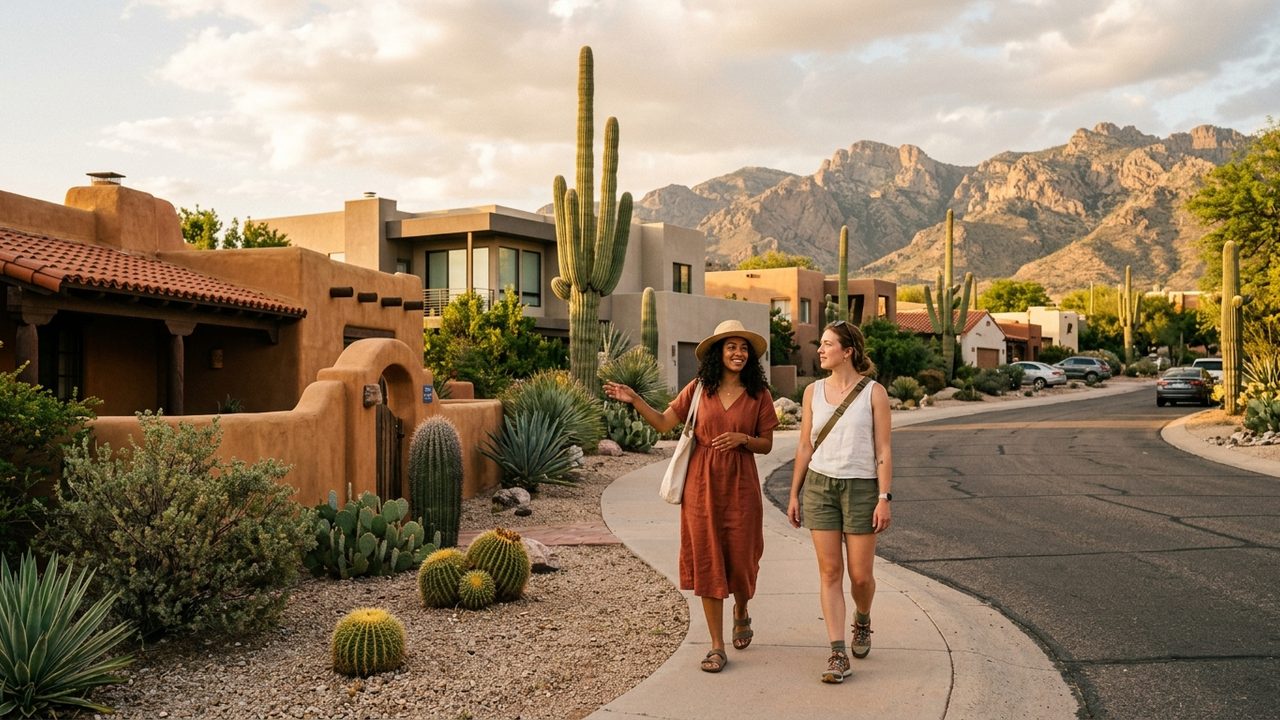
Image generated by AI
[Tucson, June 22, 2026] — Tucson, Arizona, is emerging as a primary destination for budget-conscious renters, with average monthly rental costs currently sitting at $994. As the state's second-largest city, Tucson offers a high volume of affordable housing options, with approximately 50 percent of its 537,334 residents renting their homes.
The city's rental market is characterized by a rare downward trend in pricing, with costs decreasing by 0.9 percent over the past year. This makes the region a strategic alternative to the more expensive Phoenix metropolitan area for those seeking urban amenities without the associated high cost of living.
Analyzing the Tucson Rental Market and Pricing Trends
Market data indicates that Tucson remains one of the most cost-effective cities for housing in the United States. A significant portion of the available inventory is priced for accessibility, with 36 percent of all rental listings falling within the $700 to $1,000 monthly range.
The variety of available floor plans allows residents to scale their living arrangements based on budget. Studio apartments represent the most affordable entry point, while larger multi-bedroom units remain well below national averages for comparable spaces.
| Floor Plan Type | Average Rent | Average Square Feet |
|---|---|---|
| Studio | $795/month | 390 sq. ft. |
| One Bedroom | $994/month | 591 sq. ft. |
| Two Bedroom | $1,286/month | 899 sq. ft. |
| Three Bedroom | $1,694/month | 1,189 sq. ft. |
High-Value Neighborhoods for Renters Under $1,000
Industry data highlights five specific districts where renters can consistently find one-bedroom units for less than $1,000 per month. These areas provide varying balances of proximity to the city center, academic hubs, and natural landscapes.
Balboa Heights Located roughly 10 minutes from the downtown core, Balboa Heights is one of the most affordable sectors. One-bedroom units here average $790 per month for approximately 509 square feet. Residents benefit from quick access to Saguaro National Park and the scenic Mica Mountain peak.
Amphi This neighborhood is a strategic choice for students and retail workers. With one-bedroom rents averaging $802 for 499 square feet, it is located just a mile from the Tucson Mall and a 12-minute drive from the University of Arizona. It also provides easy access to the Tucson Botanical Gardens and Reid Park Zoo.
Ward 2 For those prioritizing a residential feel and nature, Ward 2 offers one-bedroom units averaging $892 for 605 square feet. Situated near the Santa Catalina Mountains, this area is approximately 10 miles from downtown and is characterized by an abundance of golf courses and public parks.
Sunnyside Located in South Tucson, Sunnyside serves as a suburban hub with one-bedroom units averaging $917 for 573 square feet. The area is highly convenient for professionals working near Route 86 or Aerospace Parkway and offers close proximity to the Tucson Mountains.
Ward 6 Offering a more walkable urban experience, Ward 6 features one-bedroom apartments averaging $915 for 587 square feet. The district is anchored by Broadway Boulevard and the Park Place shopping center, providing a quieter residential alternative for those who still need proximity to the University of Arizona.
Lifestyle and Infrastructure in the Sonoran Desert
Living in Tucson provides a unique blend of climatic advantages and cultural richness. The city is globally recognized for its culinary heritage, being the first U.S. city to be designated as a UNESCO City of Gastronomy. This honor reflects the city's successful integration of Native American and Mexican culinary traditions into its economic and cultural identity.
Outdoor enthusiasts have access to five distinct mountain ranges: the Tortolita, Tucson, Santa Rita, Rincon, and Santa Catalina mountains. These ranges, combined with Saguaro National Park, provide extensive infrastructure for hiking, cycling, and trail running.
The city's infrastructure is heavily optimized for vehicle travel, scoring 90 out of 100 for drivability. This efficiency is reflected in the average daily commute, which is reported at just 22.3 minutes, significantly reducing the time and financial burden of transportation for the average worker.
Climate and Environmental Factors
The region maintains a consistent warmth that supports year-round outdoor activity. With an average temperature of approximately 70 degrees, the climate allows for a high quality of life for those who prefer mild winters and hot summers. This weather pattern encourages a lifestyle centered around the city's diverse parks and downtown entertainment districts.
Why This Matters: The Shift Toward Mid-Sized Urban Hubs
The data from the Tucson market reveals a broader trend in the American aviation and travel landscape: the rise of "secondary city" migration. As primary hubs like Phoenix or Los Angeles become prohibitively expensive, mid-sized cities with strong cultural identities and low cost-of-living indices are seeing a surge in appeal.
Tucson’s ability to maintain a rental decrease of 0.9 percent while offering UNESCO-recognized cultural assets suggests a market that is stabilizing in favor of the consumer. For the travel and relocation industry, this indicates that affordability is no longer just about the price of the rent, but the "value per dollar" regarding lifestyle access.
The combination of a 22.3-minute average commute and an average rent under $1,000 creates a powerful economic incentive for remote workers and students. This shift likely puts pressure on regional transportation and housing infrastructure to evolve, potentially leading to further development in the "Ward" districts of the city.
Related Travel Guides
Disclaimer
This article is for informational and educational purposes only. It does not constitute legal, financial, or professional advice. While we strive to provide accurate and up-to-date information, travel policies, regulations, and conditions change rapidly. Always verify information with official sources before making travel decisions. Nomad Lawyer makes no representations about the accuracy, reliability, completeness, or suitability of the information provided. Readers should consult qualified professionals for advice specific to their circumstances. The views expressed in this article are those of the author and do not necessarily reflect the views of Nomad Lawyer.
Raushan Kumar
Founder & Lead Developer
Full-stack developer with 11+ years of experience and a passionate traveller. Raushan built Nomad Lawyer from the ground up with a vision to create the best travel and law experience on the web.
Learn more about our team →