
ABTA Launches Comprehensive Accessible and Assisted Travel Guide to Transform UK Tourism Services in 2026
ABTA unveils Phase 2 of its accessibility initiative, releasing an Accessible and Assisted Travel Guide for UK travel businesses, airlines, and tour operators.

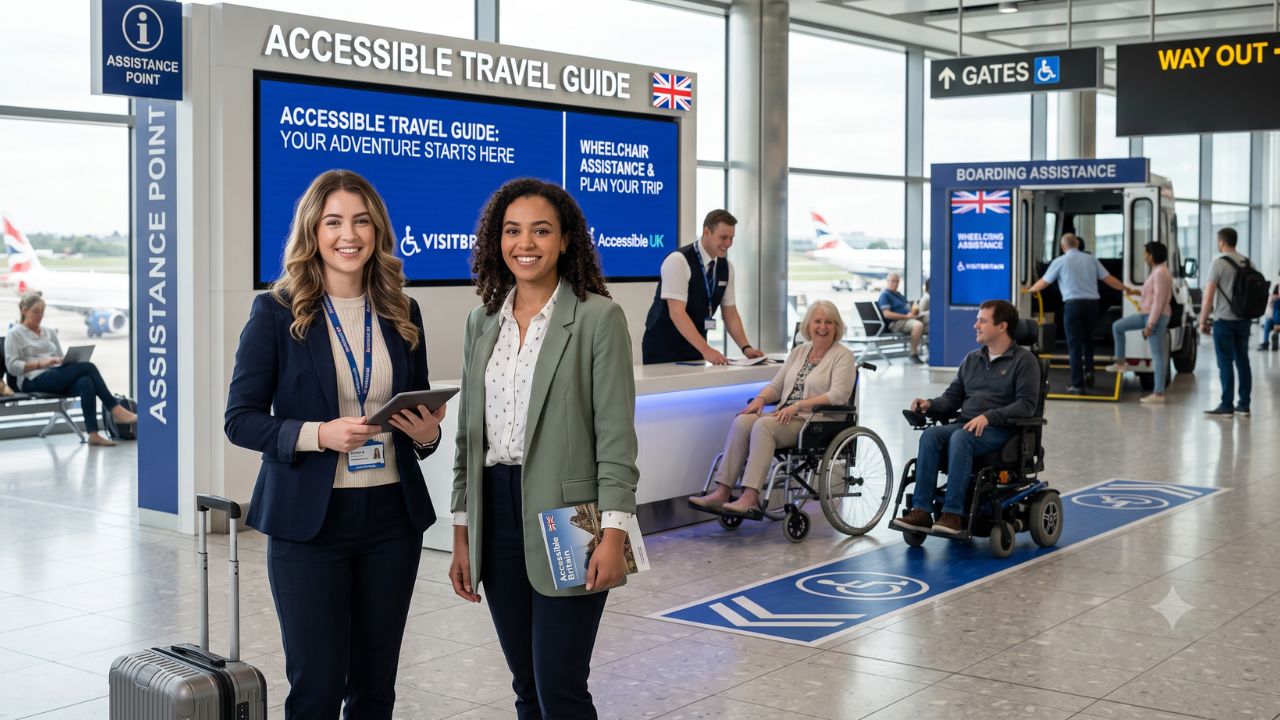
Image generated by AI
ABTA Launches Comprehensive Accessible and Assisted Travel Guide to Transform UK Tourism Services in 2026
Headline Options
- Factual/News: ABTA Launches Comprehensive Accessible and Assisted Travel Guide to Transform UK Tourism Services in 2026
- Curiosity-Gap (Discover): How ABTA’s New Accessibility Standard Is Unlocking a Multi-Billion-Pound Commercial Market for UK Travel Companies
- Problem-Solving (Search): How to Book Accessible and Assisted Travel Under ABTA’s New UK Industry Guidance Framework
SEO Title: ABTA Accessible and Assisted Travel Guide 2026 Launched
Meta Description: ABTA releases its Accessible and Assisted Travel Guide for UK travel companies, improving services for disabled travelers across flights, hotels, and tours.
Slug: abta-launches-accessible-assisted-travel-guide-2026
Standfirst: ABTA has launched a landmark Accessible and Assisted Travel Guide for UK travel businesses, providing operational standards to support disabled travelers across every phase of their journey.
Article
London, July 23, 2026 — UK travel operators are adopting new operational standards to support disabled passengers following the release of ABTA’s Accessible and Assisted Travel Guide. The publication provides tour operators, travel agencies, transport companies, and accommodation providers with actionable frameworks to assist customers requiring extra support.
By addressing physical, sensory, and neurodivergent travel needs, the initiative aims to remove systemic barriers while opening significant commercial opportunities across the UK tourism sector. Industry reports show that accessible tourism represents one of the fastest-growing market segments, driven by aging demographics and increasing consumer demand for equitable service delivery.
The newly released manual marks the second phase of ABTA’s multi-stage accessibility program. It builds upon earlier consumer checklists and guidance documents released earlier this year to create an end-to-end support network across the international travel ecosystem.
+----------------------------------------------------------------------------------------------------+
|                         ABTA ACCESSIBILITY PROGRAM IMPLEMENTATION PHASES                           |
+--------------------------+-------------------------------------+-----------------------------------+
| Program Phase            | Operational Scope & Deliverables    | Key Target Stakeholders           |
+--------------------------+-------------------------------------+-----------------------------------+
| Phase 1 (Early 2026)     | Consumer Checklists & Passenger     | Travelers, Families, Caregivers   |
|                          | Rights Documentation                |                                   |
+--------------------------+-------------------------------------+-----------------------------------+
| Phase 2 (July 2023/2026) | Member Business Guidance: Marketing,| Tour Operators, Travel Agents,    |
|                          | Web Standards & Booking Controls    | Airlines, Transport Companies     |
+--------------------------+-------------------------------------+-----------------------------------+
| Phase 3 (Upcoming)       | In-Destination Supplier Standards:  | Hotels, Resort Operators, DMCs,   |
|                          | Health & Safety Risk Integration    | Excursion Providers               |
+--------------------------+-------------------------------------+-----------------------------------+
Strategic Objectives Behind ABTA's Accessibility Guidance
ABTA developed the guide to help member organizations embed inclusive service practices directly into daily operations rather than treating accessibility as an optional add-on. The framework encourages travel sellers to initiate proactive conversations during the initial booking phase. Early communication allows operators to identify specific customer requirements months before departure, reducing airport friction and ensuring suitable room allocations.
The guidelines address a broad range of accessibility needs, moving beyond mobility assistance to include hidden disabilities, neurodivergence, visual and hearing impairments, and complex medical conditions. By standardizing communication protocols across travel agencies and suppliers, the industry aims to increase booking confidence for millions of international passengers.
+----------------------------------------------------------------------------------------------------+
|                   ACCESSIBILITY VS. ASSISTED TRAVEL OPERATIONAL PARADIGM                           |
+------------------------------------+---------------------------------------------------------------+
| Functional Category                | Technical Focus & Service Execution                           |
+------------------------------------+---------------------------------------------------------------+
| Accessibility Protocols            | Systemic removal of environmental, architectural, and digital |
|                                    | barriers (e.g., step-free paths, quiet zones, WCAG websites)   |
+------------------------------------+---------------------------------------------------------------+
| Assisted Travel Provisions         | Direct physical and operational support delivered to travelers|
|                                    | (e.g., airport mobility escorts, seating adjustments, care)   |
+------------------------------------+---------------------------------------------------------------+
Removing Infrastructure and Communication Obstacles
A central pillar of the guidance focuses on identifying and eliminating common operational failure points that disrupt customer journeys. Traditional travel environments frequently present obstacles, ranging from accommodation facilities lacking elevator access to high-sensory airport terminals that lack quiet spaces for neurodiverse passengers. Inadequate staff training can also create unintended friction during boarding or transfer procedures.
To resolve these challenges, ABTA draws a clear operational distinction between infrastructure accessibility and assisted travel services. While accessibility focuses on building barrier-free environments and compliant digital booking platforms, assisted travel delivers personalized operational care—such as dedicated airport escorts, specialized baggage handling, and tailored transport transfers.
+----------------------------------------------------------------------------------------------------+
|                        KEY CUSTOMER TOUCHPOINTS IN THE ABTA FRAMEWORK                              |
+------------------------------------+---------------------------------------------------------------+
| Travel Phase                       | Priority Operational Requirement                              |
+------------------------------------+---------------------------------------------------------------+
| Research & Inspiration             | Accessible marketing material and compliant digital platforms |
+------------------------------------+---------------------------------------------------------------+
| Reservation & Booking              | Early disclosure of assistance needs & legal transparency    |
+------------------------------------+---------------------------------------------------------------+
| Airport & Transit Operations       | Coordinated mobility escorts & quiet room access              |
+------------------------------------+---------------------------------------------------------------+
| Accommodation & In-Destination     | Verified step-free rooms, accessible transport & excursions   |
+------------------------------------+---------------------------------------------------------------+
Commercial Value and Supply Chain Collaboration
Beyond ethical and statutory obligations, ABTA emphasizes that investing in accessible travel services delivers compelling commercial returns. Passengers who receive reliable, high-quality assistance demonstrate strong brand loyalty, higher repeat booking rates, and frequent word-of-mouth recommendations.
Susan Deer, Director of Industry Relations at ABTA, stated that the organization wants every individual to travel with confidence, viewing accessibility as both a fundamental responsibility and a commercial growth driver. She noted that transparent information and early dialogue significantly improve customer satisfaction across every stage of a trip.
Industry leaders who collaborated on the framework also emphasize the practical benefits of inclusive design. Steve Wilson, Accessibility & Assisted Travel Manager at Jet2.com and Jet2holidays, highlighted that effective accessibility is fundamentally about enabling individuals to travel independently and with dignity. He stressed that consulting individuals with lived experience allows travel providers to eliminate operational barriers effectively.
Next Phase: Expanding In-Destination Guidelines
ABTA has confirmed that its accessibility initiative will expand through a upcoming third phase focused specifically on in-destination suppliers. The forthcoming release will provide tailored operational recommendations for international hotels, local transport companies, and destination management companies (DMCs).
Importantly, the upcoming phase will integrate accessibility considerations directly into health and safety risk management audits. This ensures that emergency evacuation procedures, resort mobility paths, and excursion safety protocols account for all passenger needs, establishing robust operational standards across the global tourism supply chain.
Data Table
| Operational Parameter | Measured Industry Standard |
|---|---|
| Publishing Organization | ABTA (Association of British Travel Agents) |
| Program Phase | Phase 2 (Member & Business Operational Guidance) |
| Key Target Audience | Tour operators, travel agencies, airlines, transport providers |
| Scope of Coverage | Physical mobility, non-visible disabilities, neurodiversity, sensory needs |
| Primary Industry Partners | Jet2.com, Jet2holidays, destination management companies |
| Upcoming Phase 3 Focus | In-destination suppliers, hotel audits, health & safety integration |
Impact Analysis: Transforming UK Tourism Execution
The introduction of ABTA's Accessible and Assisted Travel Guide accelerates a structural shift across the UK tourism economy. Travel operators that integrate accessible booking tools and trained customer service teams position themselves to capture a growing share of the global leisure market.
Furthermore, standardized supplier communication reduces service breakdowns between UK travel agents and overseas hotel partners. As airlines and airport authorities upgrade mobility equipment and digital notification systems, end-to-end journey reliability will continue to improve for passengers requiring extra assistance.
Why This Matters (Information Gain & Experience)
For the traveler, this framework provides greater transparency and predictability when booking holidays through UK-accredited travel companies. Instead of encountering unexpected physical barriers upon arrival, passengers can rely on standardized pre-departure disclosures to secure verified accessible rooms and dedicated airport assistance.
From a legal and logistical standpoint, the guide helps travel businesses satisfy compliance requirements under disability rights legislation while reducing costly service failures during transit. Aligning marketing materials, website access, and supplier contracts around universal design principles creates a reliable operational standard that benefits all passengers.
Internal Connection
Enhance your coverage of travel industry news and association updates:
- Destinations International Unveils 2026–2027 Leadership Team
- Operators Seek Tax Relaxations Across Tourism Sector
- Top 10 Accessible Travel Tips for UK Travelers
Related Travel Guides
Disclaimer
This article is for informational and educational purposes only. It does not constitute legal, financial, or professional advice. While we strive to provide accurate and up-to-date information, travel policies, regulations, and conditions change rapidly. Always verify information with official sources before making travel decisions. Nomad Lawyer makes no representations about the accuracy, reliability, completeness, or suitability of the information provided. Readers should consult qualified professionals for advice specific to their circumstances. The views expressed in this article are those of the author and do not necessarily reflect the views of Nomad Lawyer.
Kunal K Choudhary
Co-Founder & Contributor
A passionate traveller and tech enthusiast. Kunal contributes to the vision and growth of Nomad Lawyer, bringing fresh perspectives and driving the community forward.
Learn more about our team →