
Seven Visionary Aircraft That Defied Production: Why Engineering Breakthroughs Never Reached the Skies
Breaking airline news and aviation industry updates for 2026.

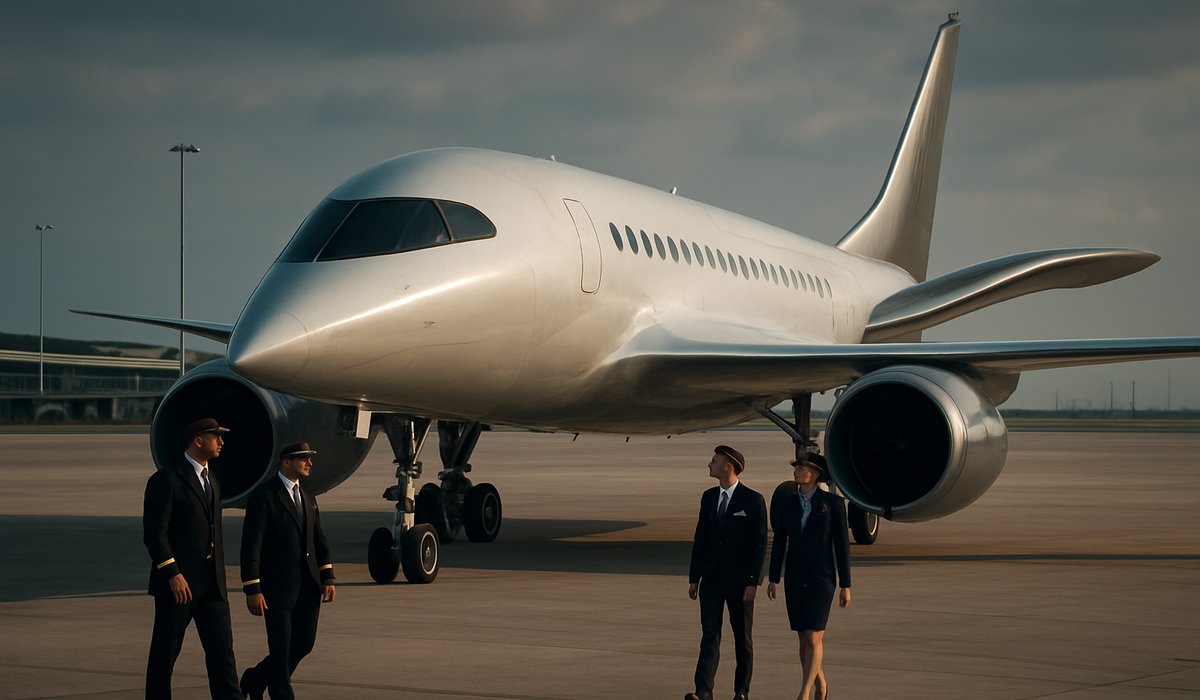
Image generated by AI
Seven Visionary Aircraft That Defied Production: Why Engineering Breakthroughs Never Reached the Skies
Advanced prototypes demonstrated revolutionary capabilities, yet complex military requirements and shifting geopolitical priorities prevented commercial viability
The Innovation Gap: When Technology Outpaces Demand
The aviation industry's history is littered with engineering marvels that never transcended the prototype stage—sophisticated aircraft that showcased breakthrough technologies but ultimately failed to secure production contracts or sustained market demand. These experimental platforms represent billions in research investment and decades of developmental ambition, yet their absence from commercial and military fleets underscores a fundamental industry paradox: technological superiority does not guarantee real-world deployment.
Military aviation presents particularly complex challenges. Defense procurement cycles operate within unpredictable strategic environments where mission requirements shift as rapidly as geopolitical landscapes transform. An aircraft engineered to address a specific threat may become obsolete before final assembly begins, leaving manufacturers with experimental testbeds rather than operational systems.
The Prototype Graveyard: Technical Excellence Meets Market Reality
Several revolutionary designs demonstrated exceptional capabilities during flight testing phases. These platforms incorporated cutting-edge avionics, revolutionary propulsion systems, and aerodynamic innovations that would influence subsequent generations of aircraft. However, each encountered insurmountable barriers to production—whether through budget constraints, changing military doctrine, or the emergence of alternative solutions that better served evolving operational requirements.
Commercial aviation projects face similarly daunting challenges. Passenger aircraft require massive capital investment, extensive certification processes, and demonstrated market demand before entering production. Even ambitious manufacturers with proven track records have shelved promising designs when economic downturns reduced airline purchasing power or fuel price volatility reshaped operational economics.
Lessons for Modern Aviation
The persistence of prototype aircraft demonstrates why the aerospace industry maintains rigorous gate-keeping mechanisms before committing to full-scale production. Each failed production program represents valuable lessons about cost-benefit analysis, market forecasting, and the intersection between theoretical capability and practical necessity.
Today's aviation sector remains cautious about large developmental commitments, particularly as environmental regulations and sustainable fuel requirements reshape aircraft economics. The legacy of prototypes that never flew commercially serves as a sobering reminder that innovation alone cannot guarantee market success.
FAQ: Understanding Prototype Aircraft Development
Why do military aircraft prototypes fail to enter production? Shifting military priorities, budget constraints, and changing threat assessments often render specialized designs obsolete before full-scale production becomes economical.
What distinguishes a prototype from a production aircraft? Prototypes serve developmental and testing purposes, while production aircraft undergo certification, manufacturing standardization, and meet regulatory requirements for operational deployment.
How much do failed aircraft programs cost the aviation industry? Failed developmental programs represent billions in research expenditures, though specific figures vary widely depending on project scope and development phase.
Can prototype aircraft technologies influence future designs? Yes—innovations from experimental platforms frequently transfer to subsequent successful aircraft programs, maximizing return on developmental investment even when original projects terminate.
What role does geopolitical change play in aircraft program cancellations? Emerging threats, alliance shifts, and diplomatic developments can fundamentally alter military requirements, rendering existing developmental priorities obsolete.
Related Travel Guides
Flight Delay Compensation Guide 2026
Understanding Airline Route Changes
Airport Security Process Updated (2026)
External Resources
Disclaimer
This article is for informational and educational purposes only. It does not constitute legal, financial, or professional advice. While we strive to provide accurate and up-to-date information, travel policies, regulations, and conditions change rapidly. Always verify information with official sources before making travel decisions. Nomad Lawyer makes no representations about the accuracy, reliability, completeness, or suitability of the information provided. Readers should consult qualified professionals for advice specific to their circumstances. The views expressed in this article are those of the author and do not necessarily reflect the views of Nomad Lawyer.
Preeti Gunjan
Contributor & Community Manager
A passionate traveller and community builder. Preeti helps grow the Nomad Lawyer community, fostering engagement and bringing the reader experience to life.
Learn more about our team →