
Nostalgia Takes Flight: Why US Air Force Pilots Miss the Golden Age of Fighter Jets
Breaking airline news and aviation industry updates for 2026.

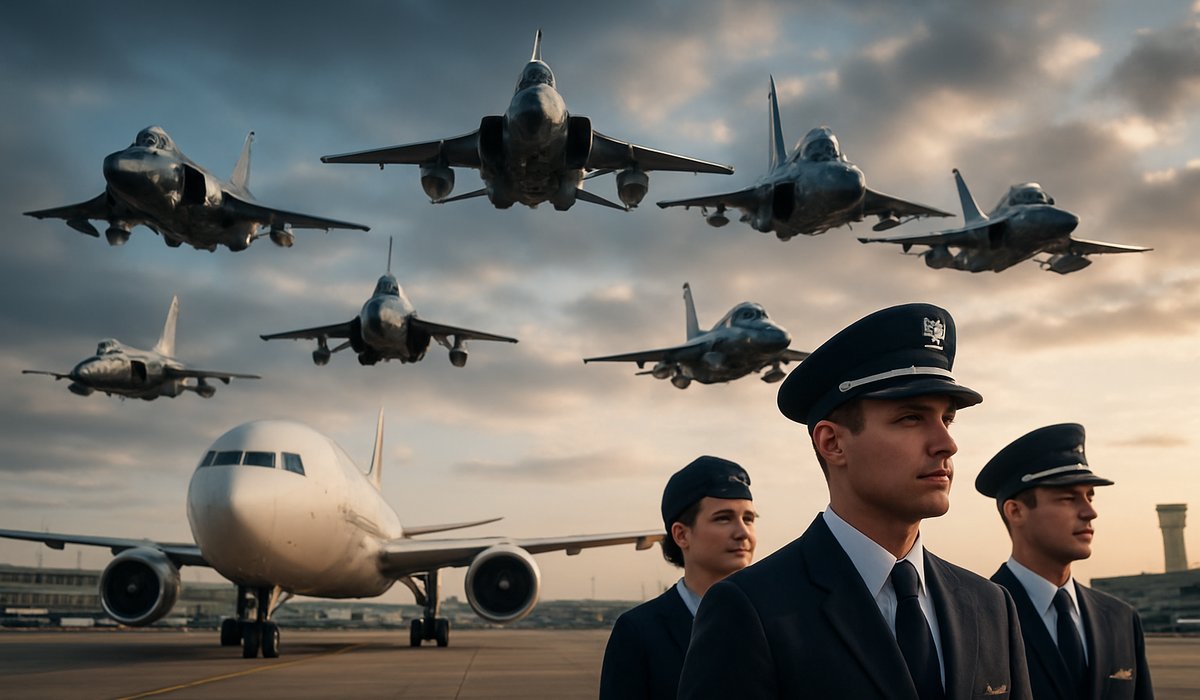
Image generated by AI
Nostalgia Takes Flight: Why US Air Force Pilots Miss the Golden Age of Fighter Jets
As modern stealth technology reshapes combat aviation, veteran aviators argue that retired Cold War-era fighters offered superior handling and pilot experience
The End of an Era in Military Aviation
The United States Air Force maintains its position as the world's most dominant aerial fighting force, yet a growing sentiment among experienced pilots reveals an uncomfortable truth: some of the service's most celebrated aircraft have already been retired to storage facilities in the Arizona desert. As military aviation evolves toward stealth capabilities and artificial intelligence-driven systems, a generation of aviators finds itself lamenting the departure of machines that prioritized raw performance and pilot control over technological sophistication.
What Made Legacy Fighters Special
The aircraft now gathering dust in military boneyards represented a fundamentally different philosophy in combat aviation design. These platforms emphasized direct pilot input, responsive handling characteristics, and intuitive controls—qualities that modern fighters have largely sacrificed in pursuit of reduced radar signatures and computational dominance. Proponents argue that this trade-off has created a technological paradox: aircraft that are statistically more lethal but subjectively less satisfying to operate.
The transition reflects broader trends in 21st-century warfare, where superiority derives from sensor fusion, data processing, and stand-off engagement capabilities rather than traditional dogfighting prowess. Contemporary fighter designs prioritize stealth geometry and electronic warfare systems over the aerodynamic purity that defined earlier generations.
The Pilot's Perspective
Active and retired US Air Force aviators consistently express regret over the retirement of these legacy systems. Their commentary underscores a disconnect between engineering objectives and operational experience—a gap that institutional memory and pilot feedback struggle to bridge within modern procurement frameworks. The handling characteristics, acceleration profiles, and seat-of-the-pants control responsiveness that these earlier jets provided created a distinct flying experience that newer platforms simply cannot replicate.
This sentiment extends beyond nostalgia. Experienced aviators argue that the loss of these aircraft represents a diminishment of pilot skill development, particularly in air combat maneuvering and tactical flexibility. When every advantage derives from electronic systems rather than pilot expertise, the premium placed on human judgment and instinctive decision-making diminishes correspondingly.
The Strategic Paradox
The retirement of high-performance legacy fighters reveals a strategic reality facing modern air forces: operational effectiveness and pilot satisfaction do not always align. As the USAF invests billions in stealth technology and autonomous systems, the machines that once defined American air superiority recede into aviation history—mourned by those who flew them but deemed obsolete by strategic doctrine.
FAQ: Understanding Modern Fighter Jet Retirement
Why does the US Air Force retire fighter jets if pilots prefer them? Modern combat prioritizes stealth, sensor systems, and data integration over traditional handling characteristics. Strategic doctrine has shifted from air-to-air dogfighting to stand-off engagement capabilities, making legacy designs operationally obsolete despite superior pilot experience.
What makes older fighters superior to modern jets in pilot experience? Legacy fighters featured responsive controls, direct pilot input, and intuitive handling characteristics. Modern stealth fighters sacrifice these qualities for reduced radar signatures and integrated electronic warfare systems.
How does stealth technology change fighter jet design? Stealth requirements demand specific airframe geometries and internal weapons storage, which compromise aerodynamic efficiency and traditional control surfaces. This produces aircraft optimized for electronic dominance rather than maneuverability.
Are retired US Air Force fighters sold to other countries? Many legacy fighters are offered to allied nations through foreign military sales programs or transferred to the aerospace industry for research and development purposes.
Can the US Air Force bring back retired fighter designs? Production infrastructure, supply chains, and pilot training programs cannot be easily reactivated. Modern procurement cycles favor new designs over restarting legacy aircraft production.
Related Travel Guides
External Resources
Disclaimer
This article is for informational and educational purposes only. It does not constitute legal, financial, or professional advice. While we strive to provide accurate and up-to-date information, travel policies, regulations, and conditions change rapidly. Always verify information with official sources before making travel decisions. Nomad Lawyer makes no representations about the accuracy, reliability, completeness, or suitability of the information provided. Readers should consult qualified professionals for advice specific to their circumstances. The views expressed in this article are those of the author and do not necessarily reflect the views of Nomad Lawyer.
Raushan Kumar
Founder & Lead Developer
Full-stack developer with 11+ years of experience and a passionate traveller. Raushan built Nomad Lawyer from the ground up with a vision to create the best travel and law experience on the web.
Learn more about our team →