
Why the Airbus A380 Remains Aviation's Most Iconic Aircraft—Five Years After Production Ended
Breaking airline news and aviation industry updates for 2026.

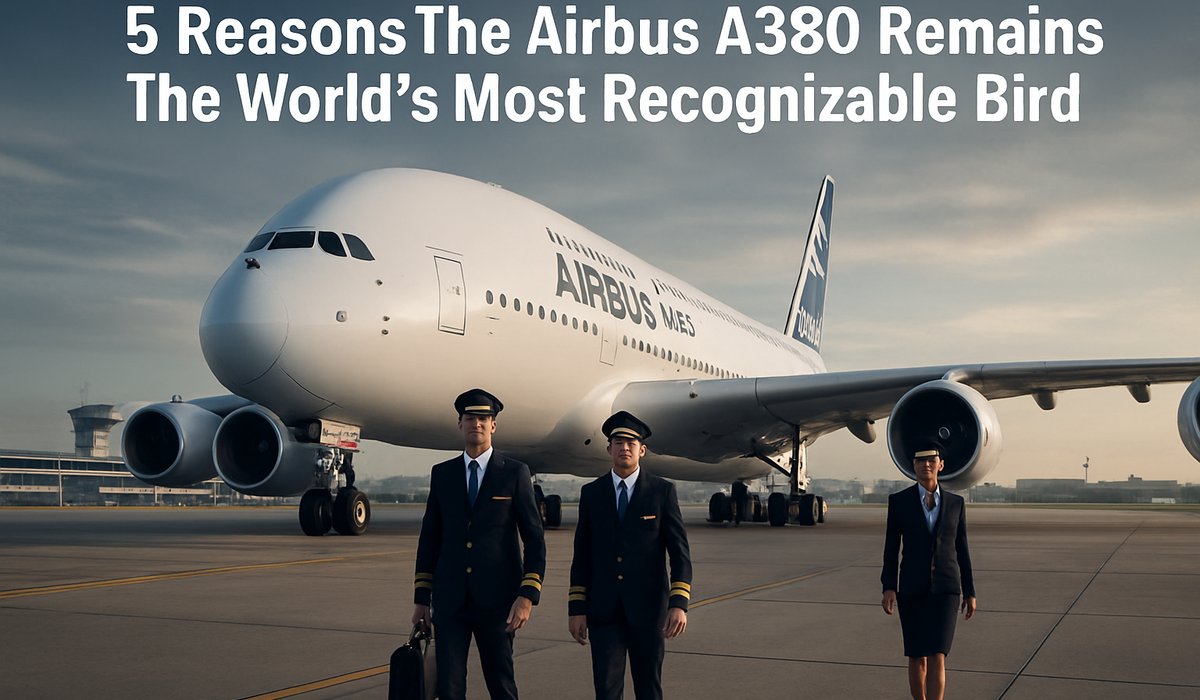
Image generated by AI
Why the Airbus A380 Remains Aviation's Most Iconic Aircraft—Five Years After Production Ended
Despite being phased out of manufacturing, the double-deck giant continues to dominate global recognition in ways few commercial jets ever achieve
The Enduring Mystery of Instant Recognition
The Airbus A380 holds a distinction rarely achieved in commercial aviation: nearly universal recognition among the flying public, a status it maintains despite ceasing production years ago. While countless widebody aircraft compete for passenger preference and airline investment, the A380 transcends typical fleet economics through sheer visual dominance. Its unmistakable silhouette has secured a place in popular culture that extends far beyond the boarding gate.
Dimensional Dominance: Size as Identity
The A380's primary calling card remains its extraordinary physical presence. As the world's largest passenger airliner, the double-deck configuration creates an instantly recognizable profile that fundamentally differs from every competitor in the skies. This dimensional advantage translates directly to brand recognition—even passengers unfamiliar with aviation terminology can identify the aircraft by its towering fuselage and unmatched wingspan alone.
The Double-Deck Advantage
The aircraft's two-tier cabin arrangement represents a revolutionary departure from conventional widebody design. This architectural feature generates immediate visual distinction at airports and in flight, creating a silhouette that remains virtually impossible to confuse with Boeing's 747 or other large-capacity competitors. The upper-deck prominence generates instantaneous recognition among casual observers and frequent flyers alike.
Cultural Penetration and Market Presence
Beyond technical specifications, the A380 achieved remarkable penetration into mainstream consciousness. Flight enthusiasts, travelers, and even non-aviation audiences recognize the aircraft as a symbol of modern engineering achievement. Emirates' massive A380 fleet particularly amplified this cultural visibility, ensuring consistent exposure across major global routes and popular travel corridors.
Legacy Through Production Sunset
The decision to discontinue manufacturing in 2021 paradoxically strengthened the A380's iconic status rather than diminishing it. Rarity amplifies prestige, and the aircraft's limited operational window has intensified collector interest among airlines and aviation enthusiasts. This scarcity effect continues to generate sustained media attention and passenger demand.
The Wider Aviation Industry Landscape
While the A380's production run concluded with modest final orders compared to competitors like the Boeing 777 or Airbus A350, its cultural footprint remains disproportionately large. The aircraft represents a specific era of aviation ambition—one prioritizing capacity and engineering spectacle over fuel efficiency and operational flexibility.
Contemporary trends favor smaller, more efficient widebodies suited to point-to-point operations rather than the A380's hub-centric model. Yet even as airline fleets modernize and operational preferences shift, the A380 maintains recognition levels that newer aircraft struggle to achieve despite superior economics and environmental performance.
Frequently Asked Questions
Why did Airbus stop producing the A380 if it's so popular? Production ceased due to declining orders from airlines prioritizing fuel efficiency and operational costs over maximum capacity. Modern routes favor smaller widebodies like the A350 and 787.
How many A380s are still in active service globally? Approximately 250+ aircraft remain in operation across major carriers, with Emirates operating the largest fleet of any airline.
What makes the A380 more recognizable than the Boeing 747? The A380's double-deck configuration extending across the entire fuselage creates a distinctly different silhouette, whereas the 747's upper deck is partial, affecting visual recognition patterns.
Will the A380 ever return to production? Current industry consensus suggests renewed production is unlikely unless dramatic shifts occur in airline preferences toward hub-based operations and maximum-capacity aircraft.
Which airlines currently operate A380 fleets? Major operators include Emirates, Singapore Airlines, British Airways, Lufthansa, Air France, and China Southern Airlines.
Related Travel Guides
Flight Delay Compensation Guide 2026
Understanding Airline Route Changes
Airport Security Process Updated (2026)
External Resources
Disclaimer
This article is for informational and educational purposes only. It does not constitute legal, financial, or professional advice. While we strive to provide accurate and up-to-date information, travel policies, regulations, and conditions change rapidly. Always verify information with official sources before making travel decisions. Nomad Lawyer makes no representations about the accuracy, reliability, completeness, or suitability of the information provided. Readers should consult qualified professionals for advice specific to their circumstances. The views expressed in this article are those of the author and do not necessarily reflect the views of Nomad Lawyer.
Preeti Gunjan
Contributor & Community Manager
A passionate traveller and community builder. Preeti helps grow the Nomad Lawyer community, fostering engagement and bringing the reader experience to life.
Learn more about our team →