
JetBlue Secures $500 Million Debt Deal Using Aircraft Fleet as Collateral Amid Ongoing Turnaround
Breaking airline news and aviation industry updates for 2026.

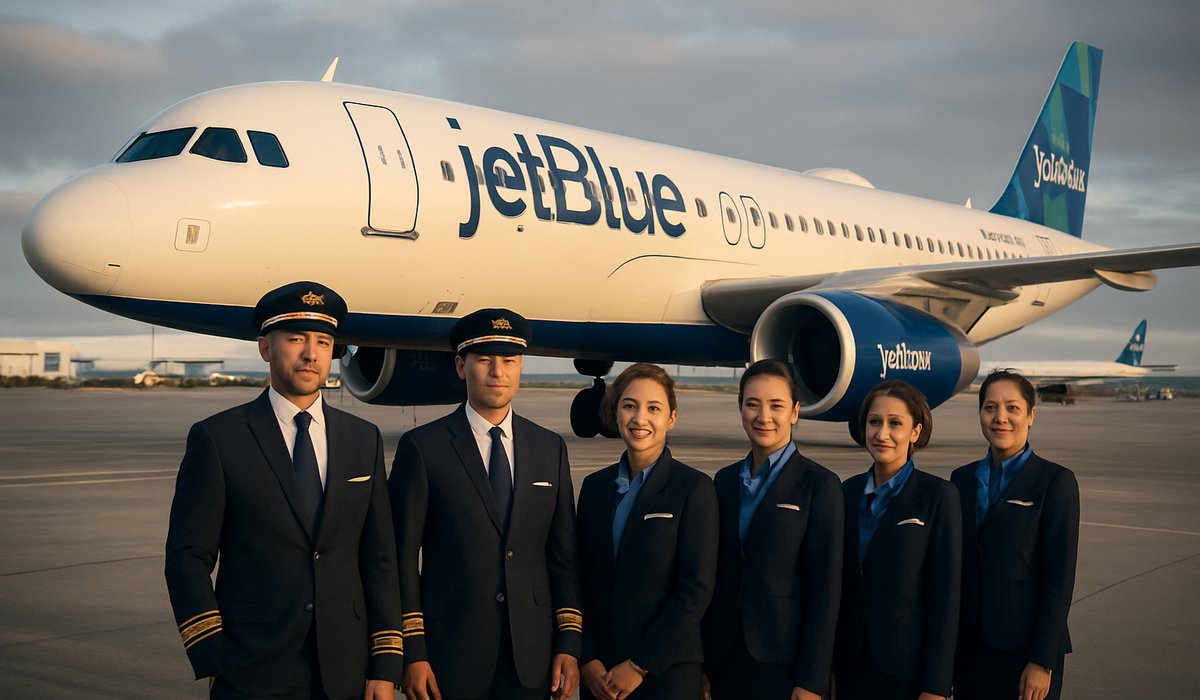
Image generated by AI
JetBlue Secures $500 Million Debt Deal Using Aircraft Fleet as Collateral Amid Ongoing Turnaround
Low-cost carrier taps asset-backed financing strategy as airline industry grapples with rising operational costs and competitive pressures
Major Financing Achievement Signals Liquidity Focus
JetBlue Airways has successfully arranged a substantial $500 million debt financing package backed by its owned aircraft, marking a significant development in the carrier's ongoing restructuring initiative. The Long Island City-based airline has pledged more than 20 Airbus A320 and A220 family jets as collateral for the facility, providing crucial working capital as operational expenses remain elevated across the aviation sector.
The transaction underscores growing reliance by mid-sized carriers on creative financing mechanisms to maintain liquidity amid challenging market conditions. Asset-backed lending has emerged as a preferred strategy for airlines seeking to unlock capital without diluting equity or taking on unsecured debt at unfavorable rates.
Strategic Liquidity Amid Industry Headwinds
The financing arrangement arrives at a critical juncture for JetBlue, which has been executing a comprehensive turnaround strategy to restore profitability. Rising jet fuel prices, persistent labor cost pressures, and intensifying competition from larger legacy carriers have compressed margins across the low-cost carrier sector throughout the current operating environment.
The $500 million facility demonstrates confidence from lenders in JetBlue's asset base and recovery trajectory. The A320 and A220 family aircraft represent modern, fuel-efficient narrowbody platforms with strong residual values—making them attractive security for institutional debt investors.
Aircraft as Collateral: Industry Trend Accelerates
JetBlue's reliance on aircraft-secured financing reflects broader patterns within aviation. Carriers increasingly leverage owned fleet assets to access capital markets when traditional lending channels tighten or when interest rates on unsecured debt become prohibitive. The structure allows airlines to distribute leverage across tangible assets with demonstrable market value.
The A320 family remains the world's most widely operated commercial jet, ensuring strong secondary market demand. The newer A220, which JetBlue has integrated into its fleet strategy, offers superior fuel economics—a critical advantage as sustainability-focused operational costs rise industry-wide.
This capital infusion provides JetBlue essential flexibility to invest in fleet maintenance, technology upgrades, and route expansion as travel demand remains resilient despite macroeconomic uncertainties affecting consumer behavior.
FAQ: Airline Financing and Fleet Management
What is aircraft-backed debt financing, and why do airlines use it? Asset-backed financing allows airlines to borrow against owned aircraft, unlocking capital without unsecured debt. This approach typically offers lower interest rates since lenders have security interests in tangible assets with established residual values.
How do rising jet fuel prices impact airline financing decisions? Elevated fuel costs compress operating margins, forcing carriers to seek additional liquidity. Airlines may accelerate asset-backed borrowing when fuel surcharges cannot offset increased expenses, making debt restructuring a necessary financial management tool.
Why are Airbus A320 and A220 aircraft preferred as collateral? These narrowbody jets dominate global aviation markets, ensuring strong secondary market demand and predictable residual values—critical factors that make lenders comfortable accepting them as loan collateral.
What does JetBlue's turnaround strategy involve? The carrier is pursuing fleet modernization, cost optimization, and revenue management initiatives to restore profitability amid competitive pressures and operational challenges facing low-cost carriers.
How does this financing affect airline baggage fees and passenger costs? Enhanced liquidity may reduce immediate pressure to increase ancillary charges, though broader industry dynamics—fuel prices, labor costs, and competition—remain primary drivers of baggage fees and ticket pricing.
Related Travel Guides
Flight Delay Compensation Guide 2026
Understanding Airline Route Changes
Airport Security Process Updated (2026)
External Resources
Disclaimer
This article is for informational and educational purposes only. It does not constitute legal, financial, or professional advice. While we strive to provide accurate and up-to-date information, travel policies, regulations, and conditions change rapidly. Always verify information with official sources before making travel decisions. Nomad Lawyer makes no representations about the accuracy, reliability, completeness, or suitability of the information provided. Readers should consult qualified professionals for advice specific to their circumstances. The views expressed in this article are those of the author and do not necessarily reflect the views of Nomad Lawyer.
Kunal K Choudhary
Co-Founder & Contributor
A passionate traveller and tech enthusiast. Kunal contributes to the vision and growth of Nomad Lawyer, bringing fresh perspectives and driving the community forward.
Learn more about our team →