
Lufthansa's 747s Face Critical Weight Restrictions: Two Jumbo Jets Forced Into Emergency Landings Within Hours
Breaking airline news and aviation industry updates for 2026.

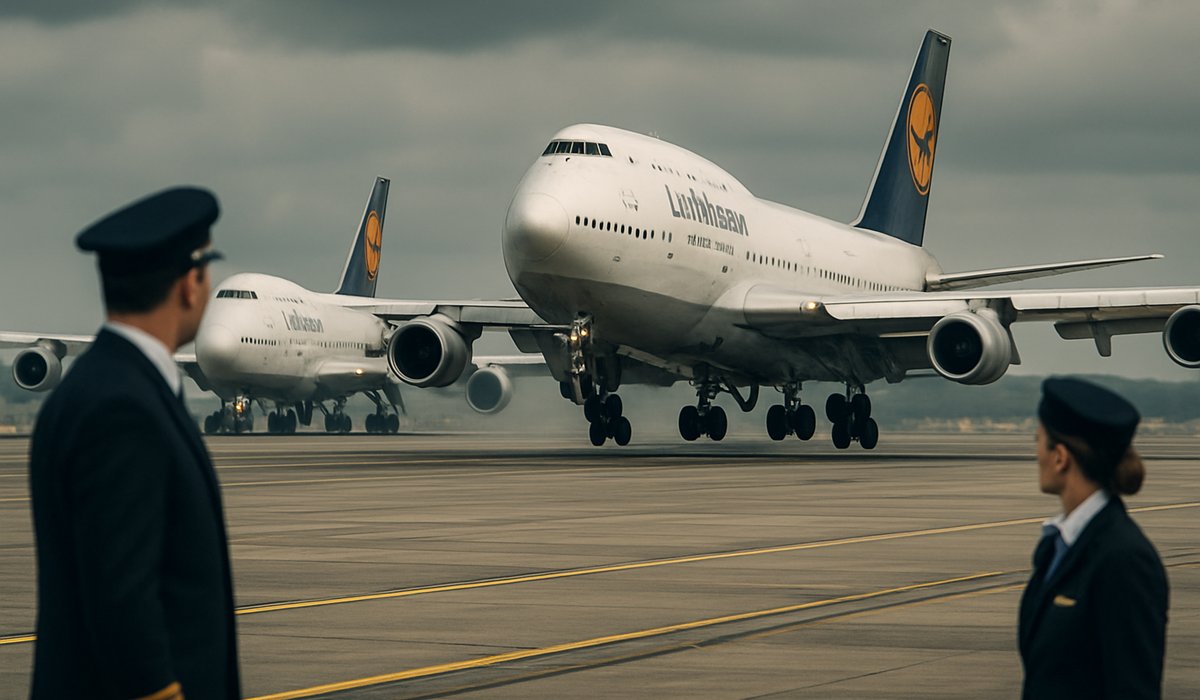
Image generated by AI
Lufthansa's 747s Face Critical Weight Restrictions: Two Jumbo Jets Forced Into Emergency Landings Within Hours
Consecutive technical incidents ground premium transatlantic service, raising questions about aircraft loadout procedures and operational safety protocols
Crisis Unfolds on Transatlantic Route
Two Boeing 747-8 superjumbos operated by German carrier Lufthansa encountered serious operational difficulties during consecutive departures from Frankfurt Airport, forcing both aircraft to return for emergency landings within a 24-hour window between June 26 and 27. The incidents—involving aircraft carrying near-maximum fuel loads bound for US East Coast destinations—have sparked renewed scrutiny of the airline's cargo and passenger weight management systems on long-haul international flights.
Both widebody aircraft were compelled to touch down immediately after takeoff, each carrying fuel tanks at or near operational capacity. The incidents underscore persistent challenges in transatlantic aviation operations, where weight distribution and fuel planning remain critical variables affecting aircraft performance and regulatory compliance.
Technical and Operational Context
The 747-8, one of aviation's largest passenger aircraft, requires precise weight calculations before departure. Airlines must balance passenger capacity, cargo loads, fuel requirements, and structural limitations—a complex equation that becomes increasingly challenging on extended intercontinental routes. When aircraft exceed maximum takeoff weight limits, they face restrictions on altitude capability, climb performance, and overall flight safety margins.
The back-to-back incidents at Frankfurt, Europe's busiest aviation hub, represent an unusual operational disruption for Lufthansa's premium long-haul fleet. The carrier operates one of the world's largest Boeing 747-8 fleets, making such consecutive technical events noteworthy within the industry.
Broader Industry Implications
The incidents reflect ongoing pressures within global aviation operations. Transatlantic routes remain financially crucial for European carriers, and any disruption to premium widebody service impacts revenue streams and passenger schedules. Airlines continue navigating complex variables including volatile jet fuel prices, weight-restricted payloads on summer routes, and competing demands between passenger comfort and cargo revenue.
Aviation safety regulators closely monitor such incidents, as they can indicate systemic issues with loading procedures, weight-and-balance calculations, or aircraft maintenance protocols. Lufthansa has not publicly disclosed root causes for the consecutive incidents, though operational analysis typically examines crew procedures, ground equipment calibration, and flight planning software accuracy.
The events occur as European carriers continue optimizing operations following post-pandemic recovery, when capacity management and revenue optimization strategies remain under intense pressure amid economic uncertainty.
FAQ: Lufthansa 747 Incidents and Aviation Operations
What caused the two Lufthansa 747s to return shortly after departure? Both aircraft experienced weight-related restrictions that necessitated emergency landings, though specific technical causes have not been publicly detailed by the airline or regulatory authorities.
How often do aircraft experience overweight landing situations on transatlantic routes? While overweight landings occur occasionally in commercial aviation, consecutive incidents within 24 hours remain unusual and typically trigger operational reviews and safety audits.
What is maximum takeoff weight, and why does it matter for aircraft like the 747-8? Maximum takeoff weight represents the heaviest load an aircraft can safely carry at departure. Exceeding this limit compromises climb performance, altitude capability, and structural integrity during flight operations.
How do jet fuel prices and cargo demand affect aircraft weight management? High fuel costs incentivize airlines to maximize cargo loads on transatlantic flights, while surging cargo demand creates pressure to carry additional weight—potentially conflicting with safety margins during peak-demand seasons.
Why is Frankfurt Airport critical for Lufthansa's long-haul operations? As Lufthansa's primary European hub, Frankfurt handles the majority of the carrier's transatlantic and intercontinental services, making operational disruptions there especially significant for airline schedules and revenue.
Related Travel Guides
External Resources
Disclaimer
This article is for informational and educational purposes only. It does not constitute legal, financial, or professional advice. While we strive to provide accurate and up-to-date information, travel policies, regulations, and conditions change rapidly. Always verify information with official sources before making travel decisions. Nomad Lawyer makes no representations about the accuracy, reliability, completeness, or suitability of the information provided. Readers should consult qualified professionals for advice specific to their circumstances. The views expressed in this article are those of the author and do not necessarily reflect the views of Nomad Lawyer.
Kunal K Choudhary
Co-Founder & Contributor
A passionate traveller and tech enthusiast. Kunal contributes to the vision and growth of Nomad Lawyer, bringing fresh perspectives and driving the community forward.
Learn more about our team →