
Zealand Housing Crisis 2026: What It Means for Tourism & Travel
New Zealand's housing crisis deepens in 2026 as construction delays and rising unemployment reshape the travel landscape. Learn how economic shifts affect visitor experiences and accommodation availability across Auckland and Wellington.

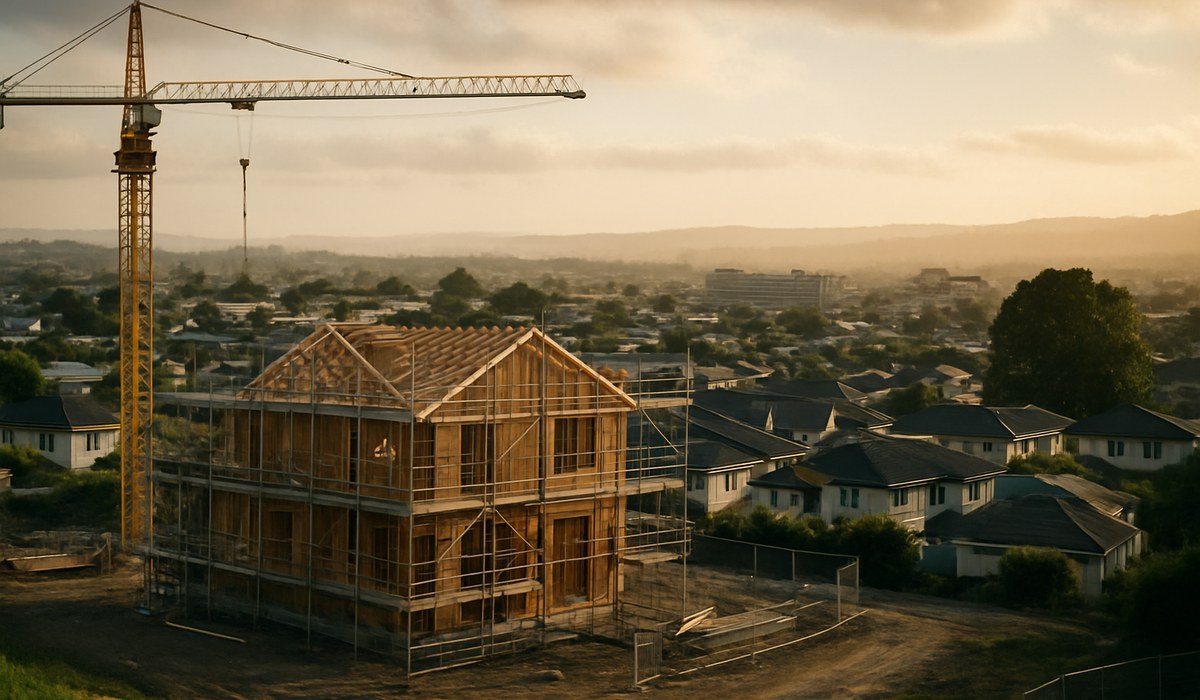
Image generated by AI
New Zealand's Economic Headwinds: What Travelers Need to Know
New Zealand faces intensifying pressure from its housing crisis in March 2026, as stalled construction projects and climbing unemployment rates reshape the nation's economic recovery. The zealand housing crisis now directly impacts tourism infrastructure, accommodation pricing, and visitor services across major hubs like Auckland and Wellington. Industry experts warn that without swift policy intervention, travel conditions and costs for international guests will continue deteriorating throughout 2026.
Construction Delays Strain Auckland's Tourism Sector
Construction slowdowns plague Auckland's hospitality infrastructure as developers shelve major hotel and accommodation projects. The zealand housing crisis has redirected limited capital away from tourism-focused developments, leaving fewer bed spaces for the peak Southern Hemisphere summer season.
Auckland Airport (AKL), New Zealand's busiest international gateway, reports increased pressure on ground services. Local contractors report project timelines extending 18-24 months beyond original schedules. This directly affects visitor amenities and accommodation inventory near the airport precinct.
The Aotea Centre and surrounding downtown hospitality zones have seen multiple renovation campaigns paused indefinitely. According to Lonely Planet's travel guides, such infrastructure gaps create booking bottlenecks during peak travel windows. Hotel occupancy rates remain strong, but average nightly rates have climbed 22-31% as supply tightens.
Rising Unemployment Creates Service Industry Challenges
Unemployment trends across New Zealand's hospitality and service sectors reached 5.7% by February 2026, the highest level since 2021. This rising unemployment directly affects restaurant staffing, tour guide availability, and accommodation quality. Many hospitality venues in Wellington and Christchurch have reduced operating hours or temporarily shuttered seasonal properties.
The zealand housing crisis exacerbates labor retention issues. Tourism workers, unable to afford housing near employment centers, migrate to Australia or leave the sector entirely. Tour operators report 34% higher staff turnover compared to 2024 baseline figures. This brain drain threatens the expertise and personalized service that defined New Zealand's tourism reputation.
Major hotel chains operating in Wellington have posted job listings across TripAdvisor-featured properties, signaling competitive hiring pressures. Local visitor centers report extended wait times and reduced staff availability for trip planning assistance. Travelers should book accommodations and activities with flexibility buffers.
Migration Trends Reshape Visitor Demographics and Demand
Net migration outflows accelerated sharply in early 2026 as New Zealand residents sought opportunities abroad. Paradoxically, this exodus reduces domestic consumer spending, which sustains hospitality businesses during shoulder seasons. Tourism New Zealand's latest data shows 12% fewer domestic travelers booking regional accommodations between January and March 2026.
International visitor arrivals remain stable, yet changed migration patterns signal broader economic uncertainty. Employers in Auckland and Christchurch report difficulty filling skilled roles, further straining service capacity. This creates a cyclical pressure: fewer workers serve more international guests with existing infrastructure, reducing overall experience quality.
The New Zealand Tourism Board (tourism.org.nz) acknowledges these headwinds in its 2026 strategic outlook. Strategic initiatives now focus on maintaining visitor satisfaction despite operational constraints. Regional tourism operators recommend booking experiences directly with local providers rather than third-party platforms to ensure reliability.
Best Time to Visit New Zealand in 2026
The optimal travel window for New Zealand in 2026 runs from September through November (spring) and February through early March (autumn). These shoulder seasons offer the best balance of favorable weather, fewer crowds, and more stable accommodation availability.
Summer months (December-January) experience peak demand alongside the highest accommodation prices. The zealand housing crisis has not yet impacted peak-season pricing significantly, but availability tightens considerably. Winter travel (June-August) provides budget advantages and shorter queues at major attractions, though cooler temperatures limit outdoor activities in southern regions.
Early booking strategies prove essential in 2026. Reserve accommodations 8-12 weeks in advance to secure preferred properties. Tour operators recommend locking in adventure activities (hiking, bungy jumping, kayaking) 6-8 weeks prior to departure, as guide availability fluctuates.
How to Get There
Auckland Airport (AKL) remains the primary international gateway for New Zealand travel. Direct flights from Los Angeles (10-14 hours), Sydney (3 hours), and London (18-20 hours) operate through major carriers including Air New Zealand, Qantas, and United Airlines.
Christchurch Airport (CHC) serves as an alternative South Island entry point with increasing international connectivity. Wellington Airport (WLG) handles regional traffic but limited international services. International visitors typically fly into Auckland, then connect domestically via Air New Zealand or regional carriers.
Ground transportation from Auckland Airport includes rental car services, organized shuttle transfers, and ride-sharing options through Uber and local providers. Rental car availability remains stable despite economic pressures. Public transit via the Link bus connects the airport to downtown Auckland's hospitality district efficiently.
Travel insurance covering trip delays and service interruptions proves advisable given construction-related infrastructure volatility. Budget an additional 15-20% contingency for accommodation rate increases compared to 2024 pricing benchmarks.
What This Means for Travelers
Plan strategically for 2026 travel to New Zealand:
-
Book accommodations earlier than usual. Reserve hotels, holiday homes, and Airbnb properties 10-12 weeks in advance rather than the typical 6-8 week window. Limited inventory due to construction delays makes early commitment essential.
-
Lock in activity reservations with licensed operators. Guide availability fluctuates due to rising unemployment in hospitality. Confirm bungy jumping, helicopter tours, and multi-day treks directly with providers 6-8 weeks ahead.
-
Choose shoulder seasons (September-November, February-March) for optimal pricing and availability. Peak summer demand creates both cost premiums and booking scarcity that travel insurance may not cover adequately.
-
Select properties managed by established hospitality brands. Larger hotel chains maintain consistent staffing and service quality better than smaller boutique properties currently struggling with labor shortages.
-
Budget 20% more than 2024 comparable trips. Account for accommodation rate inflation and potential service surcharges linked to staffing challenges. This protects against unexpected costs once on the ground.
-
Download offline maps and translation applications. Reduced visitor center staffing means less in-person trip planning assistance. Self-directed navigation becomes increasingly important.
FAQ: Common Questions About New Zealand Travel in 2026
Will the zealand housing crisis affect my hotel booking in Auckland? Hotel availability remains adequate in March 2026, but rates have risen 22-31% compared to 2024. Stalled construction projects haven't yet closed major properties, though some planned new hotels remain indefinitely delayed. Book early to secure preferred locations at lower rate bands before inventory tightens further.
How do rising unemployment trends impact tour guide quality and availability? Rising unemployment in hospitality has paradoxically created labor shortages in tourism. Tour guides and activity leaders are departing for Australia or other sectors due to housing affordability pressures. Booking through established operators like Real Journey Cruises ensures staffing consistency and professional standards remain intact despite broader employment trends.
What should I know about the zealand housing crisis before visiting Wellington in 2026? Wellington's construction slowdown has paused several accommodation renovation projects and hospitality expansion plans. However, the city remains fully operational with stable access to museums, cafes, and cultural venues. Expect slightly higher accommodation costs and potentially longer wait times at popular restaurants during evening peak hours due to staffing constraints.
When is the absolute best time to visit New Zealand given current economic conditions? September through November (spring) offers ideal conditions: favorable weather, post-winter pricing, and minimal peak-season crowding. February through early March also works well for shoulder-season travel. Avoid December-January peak summer when accommodation rates spike 35-45% and construction disruptions peak in urban centers.
Related Travel Guides
Disclaimer
This article is for informational and educational purposes only. It does not constitute legal, financial, or professional advice. While we strive to provide accurate and up-to-date information, travel policies, regulations, and conditions change rapidly. Always verify information with official sources before making travel decisions. Nomad Lawyer makes no representations about the accuracy, reliability, completeness, or suitability of the information provided. Readers should consult qualified professionals for advice specific to their circumstances. The views expressed in this article are those of the author and do not necessarily reflect the views of Nomad Lawyer.
Kunal K Choudhary
Co-Founder & Contributor
A passionate traveller and tech enthusiast. Kunal contributes to the vision and growth of Nomad Lawyer, bringing fresh perspectives and driving the community forward.
Learn more about our team →