
Yukon's 740-km Dempster Highway Arctic Route Infrastructure Upgrades and Travel Risks 2026
Analysis of the 740-km Dempster Highway's integration into the Yukon Resource Gateway project, detailing the logistical challenges and infrastructure shifts for Arctic road travelers in 2026.

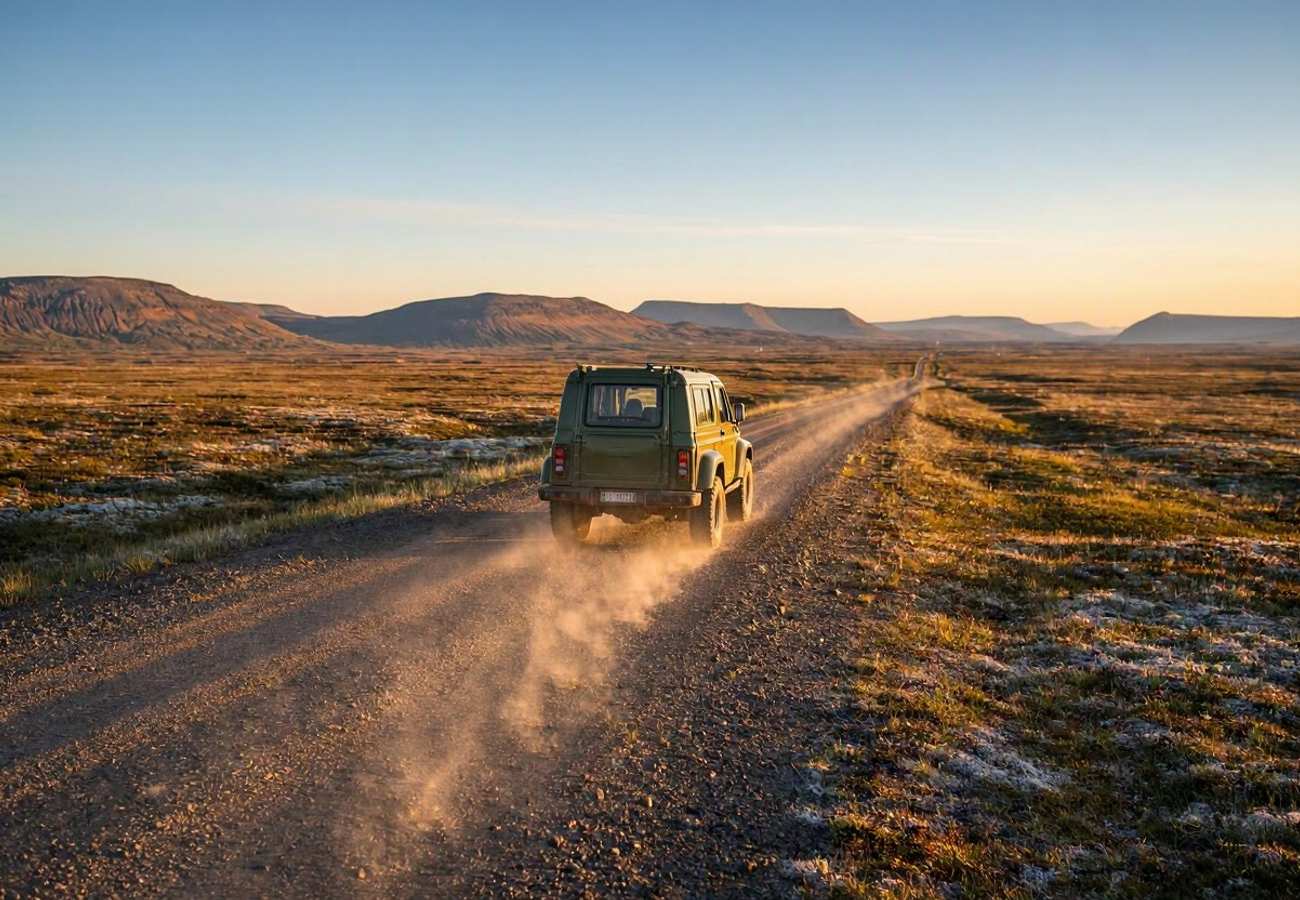
Image generated by AI
740 kilometers of rugged, largely gravel terrain define the Dempster Highway, the only public road in Canada that crosses the Arctic Circle. This remote artery, stretching from the vicinity of Dawson City to Inuvik and eventually Tuktoyaktuk, is currently undergoing a strategic shift in its operational priority. While long viewed as a wilderness challenge for adventurous motorists, the route is being repositioned as a critical piece of economic infrastructure under the Yukon Resource Gateway project.
The Logistics of Arctic Transit
The Dempster Highway is not a standard highway; it is a lifeline connecting the Yukon to the Northwest Territories. The journey begins 40 kilometers east of Dawson City, with the first 465 kilometers situated within Yukon borders before crossing into the Northwest Territories.
The route is characterized by extreme isolation. For the modern traveler, the primary logistical hurdle is the distance between service hubs. Eagle Plains serves as the most critical waypoint, located 369 kilometers north of the Tombstone area, providing the only reliable access to fuel, food, and lodging in a vast stretch of tundra.
Infrastructure and Route Specifications
The following table outlines the primary geographic and logistical markers for travelers navigating the corridor in 2026.
| Location/Marker | Distance/Position | Key Services/Features | Regulatory/Travel Note |
|---|---|---|---|
| Dawson City Start | 40 km East of City | Departure Point | Check 511 Yukon before exit |
| Tombstone Interpretive Centre | km 71.5 | Maps, Camping, Cultural History | Tr’ondëk Hwëch’in traditional territory |
| Yukon/NWT Border | km 465 | Territorial Transition | Shift in jurisdiction/maintenance |
| Eagle Plains | 369 km north of Tombstone | Fuel, Food, Accommodation | Critical refueling point |
| Inuvik | Route Terminus | Urban Services | Gateway to Tuktoyaktuk |
Expert Analysis: The Resource Gateway Shift
The integration of the Dempster Highway into the Yukon Resource Gateway project in 2025 marks a transition from "tourism-led" maintenance to "industry-led" infrastructure. When a government prioritizes a route for resource extraction and economic connectivity, the primary goal shifts toward reliability, load-bearing capacity for heavy machinery, and consistent accessibility.
For the independent traveler, this is a double-edged sword. While the Government of Yukon may implement safety and reliability upgrades, the "wild" nature of the road remains. The pricing pressure created by increased industrial use often leads to higher demand for limited services at hubs like Eagle Plains.
The most significant risk for 2026 travelers is the "EV Gap." While the Yukon is expanding its charging network in hubs like Mayo, Pelly Crossing, and Ross River, the Dempster Highway remains a dead zone for continuous electric vehicle (EV) infrastructure. Travelers attempting this route in an EV face a high probability of stranding, as charging availability does not match the distance between service points. The direct consequence is that internal combustion engines (ICE) remain the only viable option for the full 740-km transit.
Key Takeaways
- Critical Fueling: Eagle Plains is the only major service hub in the central corridor; fuel planning must be absolute.
- EV Warning: There is no continuous charging network on the Dempster Highway; EV travel is currently not recommended for the full route.
- Digital Reliance: Mobile connectivity is non-existent in large sections; travelers must use the 511 Yukon service at every major hub.
- Cultural Integration: The route passes through the traditional lands of the Tr’ondëk Hwëch’in, with the Tombstone Interpretive Centre serving as the primary cultural gateway.
- Regulatory Status: The highway is now part of the Yukon Resource Gateway project, aiming to improve safety and connectivity for both industry and tourism.
FAQ: Dempster Highway 2026
Is the Dempster Highway paved? No, the highway remains largely gravel. Drivers should be prepared for varying surfaces, potential washboarding, and the necessity of high-clearance vehicles.
Can I drive an electric vehicle (EV) to Inuvik? It is highly discouraged. While the wider Yukon network is growing, the Dempster Highway lacks the continuous charging infrastructure required for such a remote, long-distance journey.
What is the best way to track road conditions? The official 511 Yukon service provides real-time updates on closures, construction, and weather incidents, which can change rapidly in the Arctic.
Where can I learn about the local indigenous culture? The Tombstone Interpretive Centre at km 71.5 offers detailed programs and information regarding the natural and cultural history of the Tr’ondëk Hwëch’in.
The Arctic does not forgive poor planning; the Dempster is a test of preparation over ambition.
Related Travel Guides
Disclaimer
This article is for informational and educational purposes only. It does not constitute legal, financial, or professional advice. While we strive to provide accurate and up-to-date information, travel policies, regulations, and conditions change rapidly. Always verify information with official sources before making travel decisions. Nomad Lawyer makes no representations about the accuracy, reliability, completeness, or suitability of the information provided. Readers should consult qualified professionals for advice specific to their circumstances. The views expressed in this article are those of the author and do not necessarily reflect the views of Nomad Lawyer.
Naina Thakur
Contributor & Travel Specialist
Travel enthusiast and legal writer covering visa regulations, responsible tourism, and cultural journeys across global destinations.
Learn more about our team →