
Yellowstone Tourist Hospitalized After Bison Attack
A tourist is hospitalized after a bison attack at Bridge Bay Campground in Yellowstone. View travel alerts, wildlife safety rules, and flight rebooking tips.

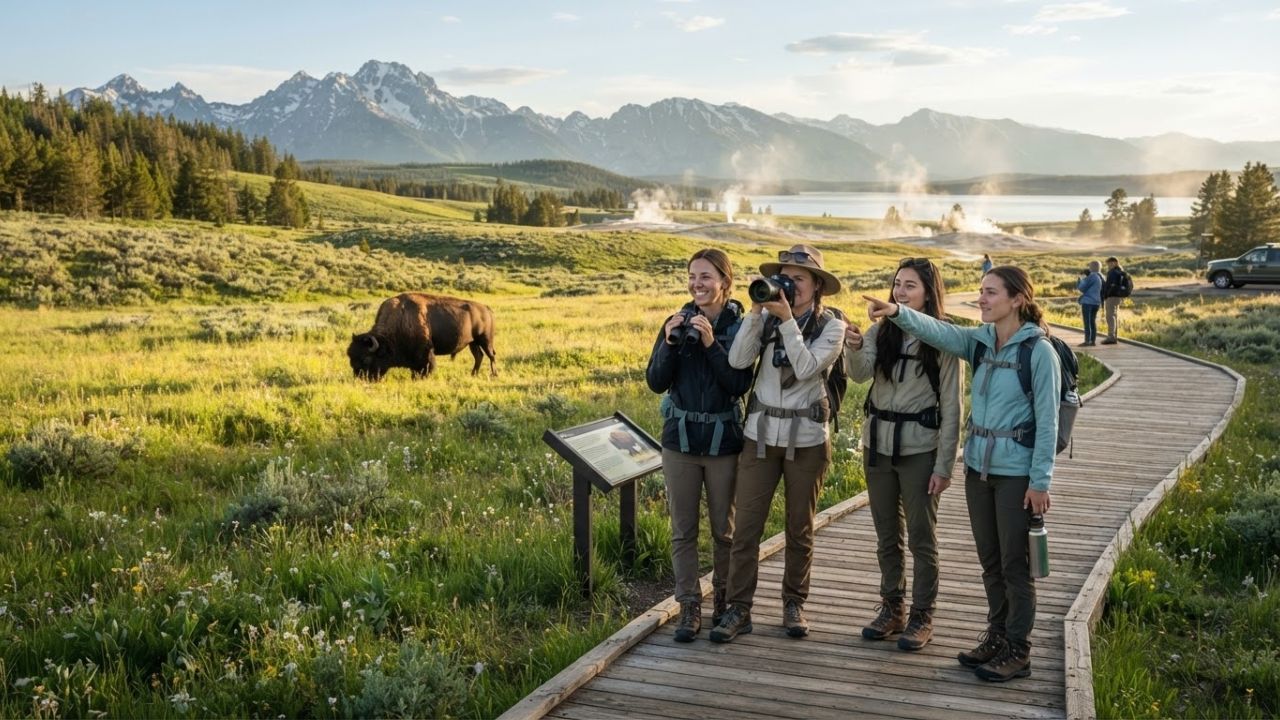
Image generated by AI
Yellowstone National Park Authorities Issue Wildfire and Animal Alerts After Bison Attack at Bridge Bay Campground Hospitalizes Tourist in July 2026
Yellowstone National Park authorities have issued an urgent safety alert after a bull bison charged and injured a 65-year-old traveler at Bridge Bay Campground. The incident occurred during the annual bison mating season, leading to increased animal defensiveness near tourist sites.
The Disruption Details
According to official reports from the National Park Service (NPS), the incident took place during the evening at Bridge Bay Campground, situated near the shores of Lake Yellowstone. An adult male traveler, identified as Carl Isom-McDaniel, was charged by a 2,000-pound bull bison, resulting in severe orthopedic injuries that required emergency transport to a regional medical facility.
Witnesses reported that the bison displayed signs of distress, including head-rubbing on the ground, before charging the visitor who was attempting to leave the area. Park rangers and emergency responders provided medical aid at the scene before transferring the patient for surgical care.
Flight & Airport Impact Breakdown
- Affected Transit Hubs: Regional air travel centers serving Yellowstone, including Bozeman Yellowstone International Airport (BZN), Jackson Hole Airport (JAC), and Yellowstone Airport (WYS).
- Flight Rebooking Pressure: Increased demand for flight modifications from travelers requiring medical evacuation or emergency travel adjustments following park incidents.
- Flight Status Checks: Real-time flight tracking data from FlightAware shows normal regional operations, though travelers are advised to verify flight availability before modifying departure times.
- Weather and Flight Routing: High-altitude mountain flight paths are currently monitored by the Federal Aviation Administration (FAA) for wind shear and convective summer thunderstorm routing.
Passenger Rights & Advisory (Information Gain)
For travelers experiencing medical emergencies or injuries while on vacation:
- Airline Rebooking Under Medical Emergencies: If you are injured during travel, U.S. carriers are not legally required to refund non-refundable tickets unless your fare rules permit it. However, under U.S. Department of Transportation (DOT) guidelines, airlines must offer refunds if they cancel your flight or make a significant schedule change of three hours or more and you choose not to travel.
- Waivers and Fee Adjustments: Many major carriers offer compassion-based policy waivers for severe injuries or medical emergencies. Passengers must provide official hospital documentation, admission certificates, or physician letters to qualify for fee waivers or ticket conversions to travel credits.
- Travel Insurance and Medical Evacuation: Comprehensive travel insurance plans typically cover trip cancellation and trip interruption expenses due to unexpected medical emergencies. If injured in remote areas like Yellowstone, medical evacuation coverage can manage the high cost of regional ambulance flights to major trauma centers.
- Airline Contact Strategy: In the event of a medical emergency, contact the airline's executive customer service desk directly rather than waiting in airport terminal queues, or use the airline's app to submit medical waiver requests.
Industry Analyst View
Our analysis indicates that wildlife encounters and subsequent trip disruptions tend to rise during peak summer travel periods when national parks experience high visitor volumes. The summer bison rut (mating season) increases animal defensive behavior, making large herbivores highly reactive to human movement.
For regional transport providers and airlines, these events highlight the need for flexible ticketing policies that accommodate sudden passenger medical relocations. Travelers must maintain the mandatory safety buffers established by the NPS—25 yards from bison and elk, and 100 yards from bears and wolves—to prevent accidents and subsequent travel disruptions.
FAQ: Yellowstone Wildlife Safety
What happened at Bridge Bay Campground?
A 65-year-old traveler was charged and injured by a bull bison on July 14, 2026, prompting park authorities to reissue wildlife distance guidelines.
What are the official safety distance rules in Yellowstone?
The National Park Service requires visitors to stay at least 25 yards away from bison, elk, and deer, and 100 yards from bears and wolves.
Can I get a flight refund if I am injured during vacation?
While airlines are not federally mandated to refund tickets due to personal injury, many carriers waive change fees or offer travel credits when provided with official hospital documentation.
Related Travel Guides
10 Best Campgrounds in Yellowstone National Park, According to Reddit
Disclaimer
This article is for informational and educational purposes only. It does not constitute legal, financial, or professional advice. While we strive to provide accurate and up-to-date information, travel policies, regulations, and conditions change rapidly. Always verify information with official sources before making travel decisions. Nomad Lawyer makes no representations about the accuracy, reliability, completeness, or suitability of the information provided. Readers should consult qualified professionals for advice specific to their circumstances. The views expressed in this article are those of the author and do not necessarily reflect the views of Nomad Lawyer.
Kunal K Choudhary
Co-Founder & Contributor
A passionate traveller and tech enthusiast. Kunal contributes to the vision and growth of Nomad Lawyer, bringing fresh perspectives and driving the community forward.
Learn more about our team →