
Sri Lanka 2026 Tourism Rebound: Visa Changes and 3M Visitor Target
Sri Lanka targets 3 million visitors and $5 billion revenue in 2026 despite March arrivals dropping 20% due to Middle East disruptions. New visa policies and infrastructure upgrades reshape the island's tourism strategy.

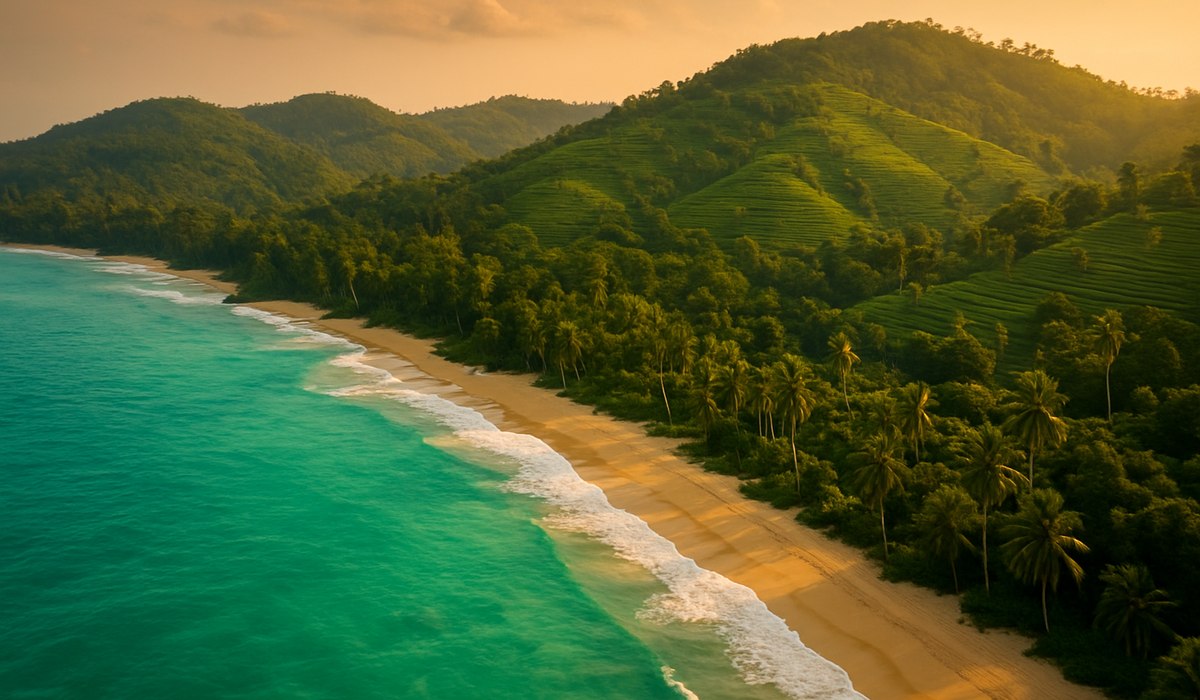
Image generated by AI
Sri Lanka Targets 3 Million Visitors in 2026 Despite Volatile Monthly Arrivals
Sri Lanka is pursuing an ambitious tourism agenda for 2026, aiming to attract 3 million visitors and generate approximately $5 billion in revenue. The Indian Ocean nation surpassed pre-pandemic visitor numbers in 2025 with 2.3 million arrivals, establishing momentum into the new year. However, early 2026 data reveals significant fluctuations: February showed double-digit year-on-year growth led by travelers from India, the United Kingdom, Russia, Germany, China, and France. March presented a stark reversal, with arrivals declining nearly 20 percent year-on-year due to Middle East geopolitical disruptions affecting long-haul flight patterns. These volatile figures underscore the importance of understanding current travel conditions before booking your Sri Lanka trip.
Tourism Recovery Outpacing Pre-Pandemic Levels
Sri Lanka's visitor economy has demonstrated remarkable resilience following the pandemic, with 2025 marking the first year to exceed pre-COVID-19 arrival records. Industry analysts attribute this recovery to enhanced marketing campaigns, improved safety perceptions, and strategic positioning as a high-value, culturally-focused destination. The government's emphasis on experiential tourism—including tea country experiences, culinary adventures, and soft adventure activities—has attracted quality-conscious travelers willing to invest in longer stays and premium accommodations.
Tourism earnings, however, tell a more nuanced story. While visitor volumes grew in February 2026, revenue metrics remained modest compared to the previous year, reflecting price sensitivity across booking platforms and changing travel patterns. Airlines have adjusted capacity allocations, prompting travelers to search more competitively for flight deals. This shift suggests that Sri Lanka 2026 tourism is transitioning toward higher-value rather than high-volume strategies, with tourism boards prioritizing extended stays and premium experiences over mass arrivals. Learn more about Sri Lanka's cultural tourism initiatives from official tourism authority channels.
New Visa Rules and Infrastructure Driving Strategic Positioning
Starting in October 2025, Sri Lanka reinstituted its Electronic Travel Authorization (ETA) requirement for nearly all foreign nationals seeking tourist or business visas. This mandatory system replaced a brief e-visa experiment, streamlining entry procedures while generating additional government revenue. Most visitors receive authorization for stays up to 30 days, with extension options available through local immigration offices.
The ETA system operates exclusively through the official government portal, though periodic fee-waiver announcements have created confusion among travelers. Several nationalities have benefited from time-limited visa fee waivers, but these programs shift frequently and expire without notice. Third-party visa websites charge inflated fees—sometimes exceeding official rates by 30-50 percent—and travelers commonly report portal outages requiring on-arrival authorization processing.
To navigate visa requirements smoothly, apply through the official government ETA portal several weeks before travel, maintain printed proof of approval for airline check-in, and verify current fee structures directly before payment. Standard requirements include passports valid for at least six months beyond your entry date and proof of return or onward travel when requested.
Infrastructure improvements are simultaneously reshaping how travelers move through Sri Lanka. The Central Expressway continues phased opening between Colombo and Kandy, progressively reducing travel times to the Cultural Triangle and hill country regions. Within Colombo's metropolitan area, the Lanka Metro Transit bus system is expanding capacity and reliability, while road maintenance programs address historical bottlenecks on approaches to popular destinations. These upgrades support the government's broader vision of positioning Sri Lanka 2026 tourism as a modern, efficiently-connected destination.
Navigating Volatility: March Arrivals Drop and External Shocks
March 2026's unexpected 20-percent year-on-year decline in arrivals highlighted the island's vulnerability to geopolitical disruptions affecting international aviation. Analysts linked the downturn to wider long-haul flight capacity reductions caused by Middle East conflicts, which interrupted airline scheduling across South Asian routes. Although such shocks typically prove temporary, they underscore the necessity of flexibility when planning trips during volatile periods.
Travelers booking flights for mid-to-late 2026 should monitor airline route announcements, verify current departure schedules, and allow buffer time for potential itinerary changes. Insurance products covering flight disruptions and trip cancellation provide essential protection against external market shocks. Regional geopolitical risks remain a relevant consideration for long-haul travel planning, particularly for journeys departing from Europe or North America where airline capacity fluctuates most dramatically.
The volatility paradoxically strengthens Sri Lanka's positioning among informed travelers. Those visiting despite disruption demonstrate commitment to authentic experiences, supporting the island's shift toward higher-value tourism that prioritizes traveler satisfaction over arrival numbers. This philosophy aligns with emerging global trends favoring destination resilience and cultural immersion over mass tourism models. For updated travel intelligence, consult IATA's current routing advisories before confirming bookings.
Weather, Safety, and Travel Planning Considerations
Sri Lanka's tropical climate and monsoonal patterns significantly impact travel conditions throughout 2026. Late 2025 demonstrated this reality when severe rains and landslides temporarily disrupted train services in hill country districts and created localized road closures. While everyday travel in Colombo, southern coastal regions, and much of the interior continues largely unaffected, travelers heading to tea plantations and rural upcountry areas during the November-January rainy season must monitor local weather forecasts and allow extended time for overland journeys.
Travel insurance covering medical expenses, evacuation, and trip disruption is increasingly essential given regional geopolitical uncertainties and seasonal weather exposure. Standard medical insurance often excludes international evacuation costs, which can exceed $50,000 in remote hill country locations. Comprehensive travel insurance protecting against weather-related delays and geopolitical disruptions provides peace of mind when visiting during vulnerable seasons.
Safety across Colombo, major tourist routes, and cultural heritage sites remains stable. Local authorities maintain tourism police units in major destinations, and traveler incident reports remain consistent with pre-pandemic levels. However, independent travelers exploring remote regions should register with their embassy and verify current local conditions through official government travel advisories before departure. Stay updated through your country's official travel advisory service for the most current recommendations.
Key Data Table: Sri Lanka Tourism Metrics 2026
| Metric | 2025 Actual | 2026 Target | Feb 2026 YoY Change | Mar 2026 YoY Change | Top Source Markets |
|---|---|---|---|---|---|
| Total Arrivals | 2.3M | 3M | +Double-digit % | -19.8% | India, UK, Russia, Germany, China, France |
| Revenue Target | $4.2B | $5B | Modest Decline | Trending Down | N/A |
| ETA Processing | Optional (pre-Oct) | Mandatory | Full Implementation | 100% Required | All Nationals |
| Central Expressway Progress | 60% Complete | 75% Target | On Track | On Track | Colombo-Kandy |
| Metro Transit Coverage | Initial Phase | 35% City | Expanding | Expanding | Colombo Area |
| Average Stay Duration | 7-9 Days | 10-14 Days | Increasing | Increasing | Varies by Market |
What This Means for Travelers
1. Book Direct to Official Channels
Use only the government ETA portal at eta.gov.lk for visa applications. Third-party websites charge significantly higher fees and provide no advantage over the official system. Apply 3-4 weeks before travel to avoid last-minute portal outages
Disclaimer
This article is for informational and educational purposes only. It does not constitute legal, financial, or professional advice. While we strive to provide accurate and up-to-date information, travel policies, regulations, and conditions change rapidly. Always verify information with official sources before making travel decisions. Nomad Lawyer makes no representations about the accuracy, reliability, completeness, or suitability of the information provided. Readers should consult qualified professionals for advice specific to their circumstances. The views expressed in this article are those of the author and do not necessarily reflect the views of Nomad Lawyer.
Raushan Kumar
Founder & Lead Developer
Full-stack developer with 11+ years of experience and a passionate traveller. Raushan built Nomad Lawyer from the ground up with a vision to create the best travel and law experience on the web.
Learn more about our team →