
World's Largest Residential Mega Yacht Returns to Canada 2026
The world's largest residential mega yacht is returning to British Columbia in 2026, transforming ultra-luxury coastal exploration and economic opportunity across remote Canadian communities.

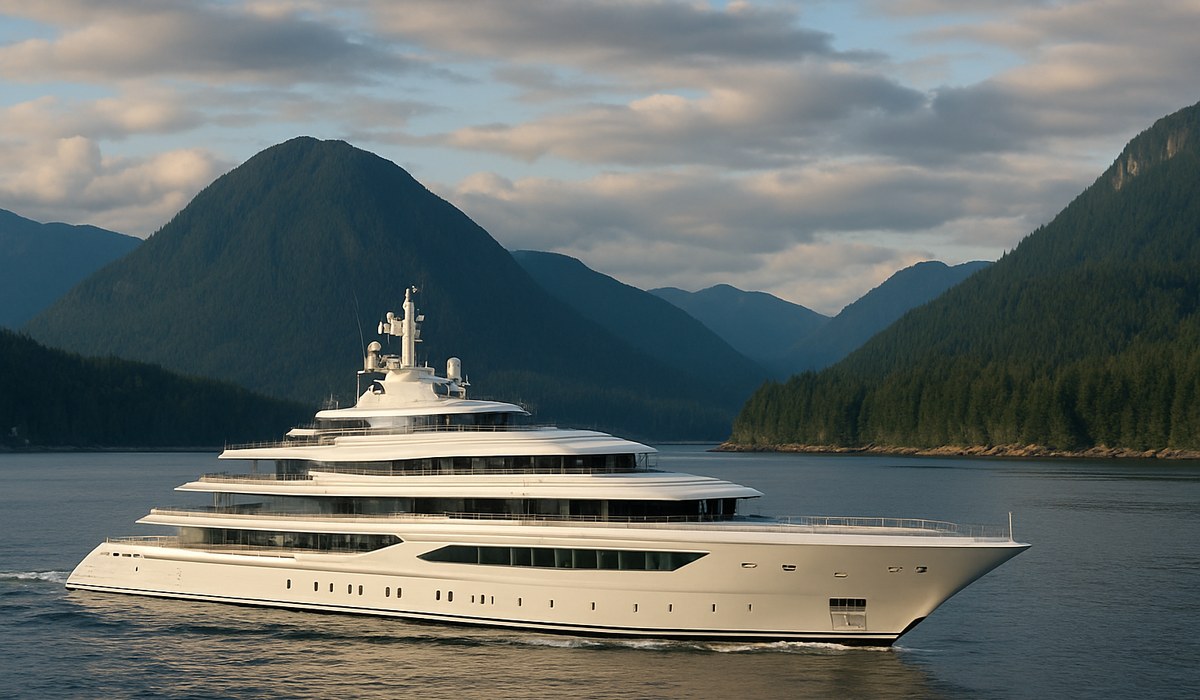
Image generated by AI
**> Quick Summary
- A record-breaking mega yacht—the world's largest residential vessel—is charting a return voyage to British Columbia's pristine coastline in 2026
- The expedition offers ultra-high-net-worth travelers a curated blend of wilderness exploration and five-star amenities unavailable through traditional cruise operators
- Remote Pacific coastal communities are positioning themselves as anchor points for billionaire-class tourism, creating high-value economic activity beyond conventional cruise itineraries
- Mega yacht expeditions represent a fundamental shift in luxury travel, emphasizing exclusivity, bespoke itineraries, and environmental stewardship over mass-market volume**
World's Largest Residential Mega Yacht: What Makes It an Ultra-Luxury Icon
The globe's premier residential mega yacht—a vessel engineering marvel spanning multiple decks and accommodating only the most elite clientele—is preparing to make its highly anticipated return to Canada's Pacific northwest this spring and summer. This isn't a floating hotel in the traditional sense; it's a fully appointed private community that moves through some of Earth's most dramatic seascapes, combining architectural sophistication with expedition-grade capabilities.
According to the Cruise Lines International Association, mega yacht classifications differ fundamentally from conventional cruise vessels. These ultra-luxury platforms typically carry fewer than 500 passengers, operate with crew-to-guest ratios exceeding 1:1, and feature amenities ranging from Michelin-trained culinary teams to marine biologists and expedition historians embedded in daily experiences. The distinction matters: mega yachts function as floating private clubs rather than hospitality operations, prioritizing personalization over occupancy rates.
The vessel returning to British Columbia represents the apex of residential mega yacht design—a floating sanctuary where ultra-high-net-worth individuals can escape traditional tourism infrastructure entirely. Its architecture balances cutting-edge stabilization systems with interior design emphasizing open-air engagement, allowing passengers to experience coastal wilderness without sacrificing creature comforts. Multiple restaurants, wellness centers, observation decks, and intimate lounges occupy the vessel, each designed for small-group interaction rather than crowded gatherings.
This mega yacht operates as a members-only experience, accessible primarily through invitation or ultra-exclusive charter agreements. The per-night investment for premium accommodations can exceed USD $500,000, positioning it firmly in a market segment where price signals exclusivity rather than accommodation quality alone. Owners and charter guests represent billionaire families, multinational executives, and established wealth dynasties seeking travel experiences unavailable to mainstream luxury operators.
British Columbia's 2026 Mega Yacht Season: Exclusive Itineraries & Coastal Exploration
British Columbia's rugged Pacific coastline has emerged as the preeminent destination for mega yacht expeditions seeking pristine wilderness paired with strategic infrastructure. The province's combination of accessible deep-water ports, minimal maritime congestion, and untouched fjord systems creates operational advantages that draw mega yacht operators away from crowded Mediterranean and Caribbean corridors.
The 2026 itinerary focuses on exploration zones rarely visited by traditional cruise ships. The mega yacht will navigate through the Inside Passage—a legendary maritime corridor where dramatic mountain backdrops, ancient indigenous territories, and remote coastal ecosystems converge. Scheduled stops include Glacier Bay, the Great Bear Rainforest, and lesser-known fjords accessible only to shallow-draft expedition vessels. Each port presents curated shore excursions: helicopter drops into pristine wilderness zones, kayaking expeditions through kelp forests, and private access to areas restricted from conventional tourism.
According to Seatrade Cruise industry data, the luxury expedition segment has captured approximately 8% of global cruise market revenue while representing less than 1.2% of passenger volume—a metric demonstrating the outsized economic value of ultra-luxury positioning. British Columbia's ports anticipate generating USD $45–$65 million annually from mega yacht operations alone, a figure rivaling traditional cruise economics while requiring minimal infrastructure investment.
The expedition incorporates naturalist-led programming designed around seasonal wildlife encounters. Spring and early summer months align with grizzly bear migrations, whale breeding seasons, and peak bird nesting activity. Onboard marine scientists and wilderness photographers provide real-time interpretation, transforming the voyage into an immersive natural history experience rather than a leisure cruise. Private access to designated viewing zones—negotiated through conservation partnerships—ensures passenger encounters with ecosystems most travelers never witness.
Beyond Traditional Cruising: How Mega Yacht Tourism Differs from Mainstream Cruise Lines
The operational model of mega yacht expeditions inverts conventional cruise economics. While traditional cruise ships maximize revenue through volume—stacking passengers across multiple dining venues and entertainment decks—mega yachts generate profitability through scarcity and personalization. A traditional cruise vessel might accommodate 5,000 passengers generating USD $150 per person daily in ancillary spending. A mega yacht hosting 200 passengers generates USD $8,000–$12,000 per person daily through integrated pricing models, with passengers consuming premium dining, wellness services, and bespoke excursions without à la carte transactions.
Itinerary flexibility represents another fundamental distinction. Commercial cruise lines lock passengers into published routes, coordinating with port authorities weeks in advance. Mega yachts operate with expedition-grade flexibility—routes adjust in real-time based on wildlife activity, weather patterns, and marine conditions. If whale pods migrate earlier than anticipated, the captain alters course. If storm systems threaten planned zones, the vessel pivots toward protected waters. This operational responsiveness demands smaller passenger rosters, expert navigation teams, and expedition staff trained in dynamic decision-making.
Environmental stewardship differentiates mega yacht operators from cruise industry standards. Advanced ballast water treatment systems, marine-grade waste management, and fuel-efficient diesel-electric hybrid propulsion minimize ecological impact. The vessel returning to British Columbia operates under voluntary environmental protocols exceeding Canadian maritime regulations, partnering with conservation organizations to monitor and mitigate coastal impacts. This positioning appeals directly to ultra-high-net-worth demographics increasingly concerned with sustainable travel practices—a sentiment paralleling Alaska's 2026 luxury hospitality expansion, where environmental credentials drive destination selection among billionaire-class travelers.
The passenger experience emphasizes intellectual engagement and cultural immersion. Rather than choreographed entertainment shows and poolside activities, mega yacht expeditions feature Pulitzer Prize-winning journalists discussing geopolitical climate impacts, conservation biologists interpreting ecosystem health, and indigenous leaders sharing traditional knowledge about coastal territories. This programming attracts travelers fatigued by mainstream cruise offerings, seeking substantive engagement with destinations they visit.
Economic & Environmental Impact: Why Remote BC Communities Are Betting on Luxury Expedition Tourism
Rural British Columbia communities positioned along Inside Passage corridors face economic headwinds from declining resource extraction industries. Mega yacht tourism represents a diversification opportunity—generating significant revenue with minimal infrastructure demands. A single mega yacht visit can inject USD $500,000–$2 million into local economies through fuel purchases, crew provisioning, shore excursion logistics, and cultural programming fees.
Indigenous communities particularly benefit from mega yacht economics. The vessel's itinerary incorporates protected access to territories managed by First Nations governments, with visitor fees funding cultural preservation initiatives and language revitalization programs. Unlike mass-market cruise tourism that dispatches thousands of passengers through communities unprepared for volume-based impacts, mega yacht expeditions deliver concentrated economic benefit—200 affluent passengers spending substantially at local businesses—while minimizing social and environmental disruption.
The global luxury market context reinforces British Columbia's strategic positioning. Ultra-wealthy demographics increasingly seek experiences unavailable through conventional
Disclaimer
This article is for informational and educational purposes only. It does not constitute legal, financial, or professional advice. While we strive to provide accurate and up-to-date information, travel policies, regulations, and conditions change rapidly. Always verify information with official sources before making travel decisions. Nomad Lawyer makes no representations about the accuracy, reliability, completeness, or suitability of the information provided. Readers should consult qualified professionals for advice specific to their circumstances. The views expressed in this article are those of the author and do not necessarily reflect the views of Nomad Lawyer.
Raushan Kumar
Founder & Lead Developer
Full-stack developer with 11+ years of experience and a passionate traveller. Raushan built Nomad Lawyer from the ground up with a vision to create the best travel and law experience on the web.
Learn more about our team →