
Wisconsin Milwaukee Historic Villa Turned Museum 2026
A stunning Italian Renaissance villa near downtown Milwaukee has reopened as a world-class museum in 2026, offering visitors authentic architecture, manicured gardens, and panoramic lakefront views that rival European destinations.

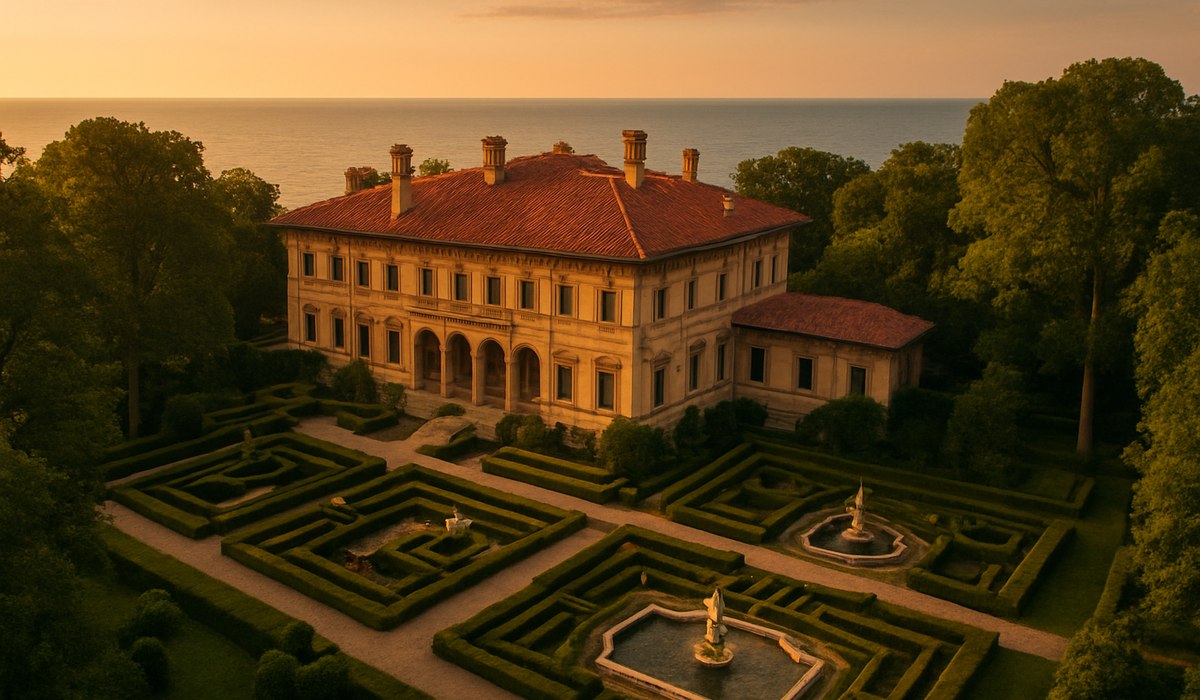
Image generated by AI
Italian Renaissance Gem Transforms Milwaukee's Cultural Landscape
A meticulously preserved Italian Renaissance villa has emerged as Milwaukee's most enchanting architectural destination, standing just miles from downtown as an unexpected European oasis in the American heartland. This 2026 reopening marks a significant milestone for Wisconsin's cultural tourism, transforming a historic mansion into a full-fledged museum that welcomes architecture enthusiasts, garden lovers, and lakefront wanderers year-round. The property seamlessly blends Old World craftsmanship with Midwest hospitality, offering visitors an authentic escape without transatlantic airfare.
The villa's revival comes after extensive restoration efforts that have revitalized both its interior galleries and sprawling outdoor grounds. Museum officials report record-breaking visitor engagement during the first quarter of 2026, with travelers from across North America discovering this hidden Wisconsin gem. The transformation positions Milwaukee as a serious contender for heritage tourism alongside established East Coast destinations.
A Slice of Italy in the American Midwest
The wisconsin milwaukee historic villa represents one of the most ambitious architectural projects ever undertaken in the region. Built during the Gilded Age, this mansion captures the essence of Italian villas found along Lake Como and the Tuscan countryside. Every architectural detail—from the ornate stonework to the terracotta roof tiles—was imported or meticulously recreated by craftspeople who studied European prototypes.
Inside, visitors encounter Renaissance-inspired galleries showcasing period furnishings, decorative arts, and rotating exhibitions celebrating transatlantic cultural exchange. The main salon features hand-painted ceilings and marble columns that rival museums in Florence and Rome. Educational programming throughout 2026 includes docent-led tours focusing on Gilded Age aesthetics, Italian craftsmanship, and Wisconsin's immigrant communities who appreciated such European refinement.
The museum shop offers curated merchandise including Italian ceramics, architecture books, and locally-produced goods that connect visitors to both European heritage and regional artisans.
Architectural Features and Historic Significance
The villa's design reflects Beaux-Arts principles popular among wealthy industrialists of the early 1900s. Its facade showcases rusticated stonework, arched windows, and a prominent tower that commands attention from Milwaukee's lakefront. Interior spaces feature coffered ceilings, marble fireplaces, hand-painted murals, and parquet floors that required artisans months to restore.
The building's structural integrity was recently certified by the American Institute of Architects, making it one of Wisconsin's finest examples of Italian Renaissance Revival architecture. Photography is permitted throughout public galleries, making it a favorite for architecture and design professionals documenting regional heritage sites. The museum's architectural database, accessible online through the official tourism board, includes detailed CAD drawings and historical documentation for researchers and students.
Notable features include a two-story library with custom shelving, a ballroom capable of hosting 200 guests, and private chambers designed with intimate period-appropriate furnishings. The restoration preserved original hardware, lighting fixtures, and decorative elements while integrating modern climate control necessary for artifact preservation.
Gardens and Outdoor Grounds
The villa's 18-acre estate encompasses manicured Italian gardens, woodland walking trails, and panoramic lakefront views that justify the property's premium location. Professional horticulturists maintain period-appropriate gardens featuring native Italian plants adapted to Wisconsin's climate, including olive trees, cypress varieties, and heritage herb gardens used in historical cooking demonstrations.
A central fountain plaza serves as the garden's focal point, surrounded by stone balustrades and flowering pergolas that photograph beautifully during spring and summer. The grounds include several outbuildings—a restored carriage house, greenhouse, and gardener's cottage—that provide context for understanding estate life during the Gilded Age. Seasonal events throughout 2026 feature outdoor concerts, garden lectures, and twilight tours that extend visitor engagement beyond traditional museum hours.
Picnic areas allow guests to bring lunch and enjoy lakefront vistas while contemplating architectural details visible from various garden perspectives. The property's accessibility has been carefully designed to accommodate visitors of all mobility levels while preserving historic integrity.
Planning Your Visit and Lake Views
The museum operates year-round with extended summer hours accommodating the influx of Wisconsin tourists seeking cultural experiences beyond outdoor recreation. Lakefront positioning offers year-round appeal, with spring tulip displays, summer concert series, fall foliage viewing, and winter holiday programming attracting diverse visitor demographics.
Admission includes access to all galleries, garden grounds, and a complimentary architectural guide highlighting design elements and historical context. Group rates accommodate educational institutions and tour operators, with advance reservations strongly recommended for parties exceeding 15 people. The museum's visitor center, recently upgraded in 2026, features interactive exhibits explaining restoration methodology and architectural conservation techniques.
Parking accommodates approximately 150 vehicles, with overflow capacity available during peak seasons. A gift shop and café offer refreshments and locally-sourced food options reflecting Wisconsin's culinary traditions. The museum's TripAdvisor profile showcases visitor reviews and photographic documentation of seasonal changes throughout the year.
Best Time to Visit
Spring (April–May) brings ideal weather and flowering gardens, though crowds increase as school groups and tour operators schedule visits. Early morning arrivals ensure shorter queues and better photography conditions for capturing architectural details and landscape features without crowds.
Summer (June–August) features extended hours, outdoor programming, and peak temperatures ideal for exploring grounds, though visitor numbers peak considerably. Fall (September–October) offers crisp weather, reduced crowds, and spectacular foliage that frames the villa's architecture beautifully. Winter (November–March) provides intimate museum experiences with minimal crowds, though some outdoor areas may be restricted due to weather conditions.
Wisconsin residents receive discounted admission on designated community days throughout the year. Holiday season programming, including festive decorations reflecting Italian traditions, makes December particularly popular with families.
How to Get There
The villa is located approximately six miles north of downtown Milwaukee via Lake Shore Drive, with clear signage directing visitors from I-43 exit ramps. GPS coordinates and detailed directions are available on the official Visit Milwaukee tourism website. Ample parking is available on-site, with designated accessible spaces near the main entrance.
Public transportation via Milwaukee's bus system provides access for visitors without personal vehicles, with routes connecting downtown hotels and transit terminals to the museum location. Ride-sharing services operate throughout the region, offering convenient alternatives to self-driving. From Mitchell International Airport, the villa is approximately 30 minutes away via rental car or airport shuttle services.
Nearby hotels, restaurants, and attractions in Milwaukee's Lake Shore neighborhoods provide convenient lodging and dining options for extended visits. The museum's location near other cultural institutions creates opportunities for multi-destination itineraries combining art, history, and culinary experiences.
| Category | Details |
|---|---|
| Location | 6 miles north of downtown Milwaukee, Wisconsin |
| Admission | Adults $18, Seniors $14, Students $10, Children under 5 free |
| Operating Hours | Tuesday–Sunday, 10 AM–5 PM; Monday by appointment only |
| Peak Season | June–August; September–October |
| Parking | 150 vehicle capacity; accessible spaces available |
| Nearest Airport | Mitchell International Airport (MKE), 30 minutes away |
| Accessibility | Wheelchair accessible gardens and ground-floor galleries |
| Photography | Permitted in all public spaces |
| Dining | On-site café with local food options |
| Group Tours | Available with advance reservation for 15+ visitors |
What This Means for Travelers
The villa's reopening significantly enhances Wisconsin's cultural tourism infrastructure and positions Milwaukee as a sophisticated destination rivaling established heritage tourism centers along the East Coast. Consider these actionable strategies for maximizing your visit:
-
Book advance tickets online through the official museum website to skip queues and access early-bird discounts currently available for 2026 visits.
-
Schedule visits during off-peak weekdays (Tuesday–Thursday) to enjoy galleries and gardens with minimal crowds while enjoying personalized docent attention.
-
**Allocate
Disclaimer
This article is for informational and educational purposes only. It does not constitute legal, financial, or professional advice. While we strive to provide accurate and up-to-date information, travel policies, regulations, and conditions change rapidly. Always verify information with official sources before making travel decisions. Nomad Lawyer makes no representations about the accuracy, reliability, completeness, or suitability of the information provided. Readers should consult qualified professionals for advice specific to their circumstances. The views expressed in this article are those of the author and do not necessarily reflect the views of Nomad Lawyer.
Raushan Kumar
Founder & Lead Developer
Full-stack developer with 11+ years of experience and a passionate traveller. Raushan built Nomad Lawyer from the ground up with a vision to create the best travel and law experience on the web.
Learn more about our team →