
How 2026 Wildfire Chaos in Spain, France, and Greece is Forcing a Shift in Summer Tourism Strategy
Relentless wildfires across Southern Europe and the USA are disrupting 2026 summer travel, forcing tourists to pivot toward safer, sustainable alternatives as Bédar, Crete, and the Algarve face environmental emergencies.

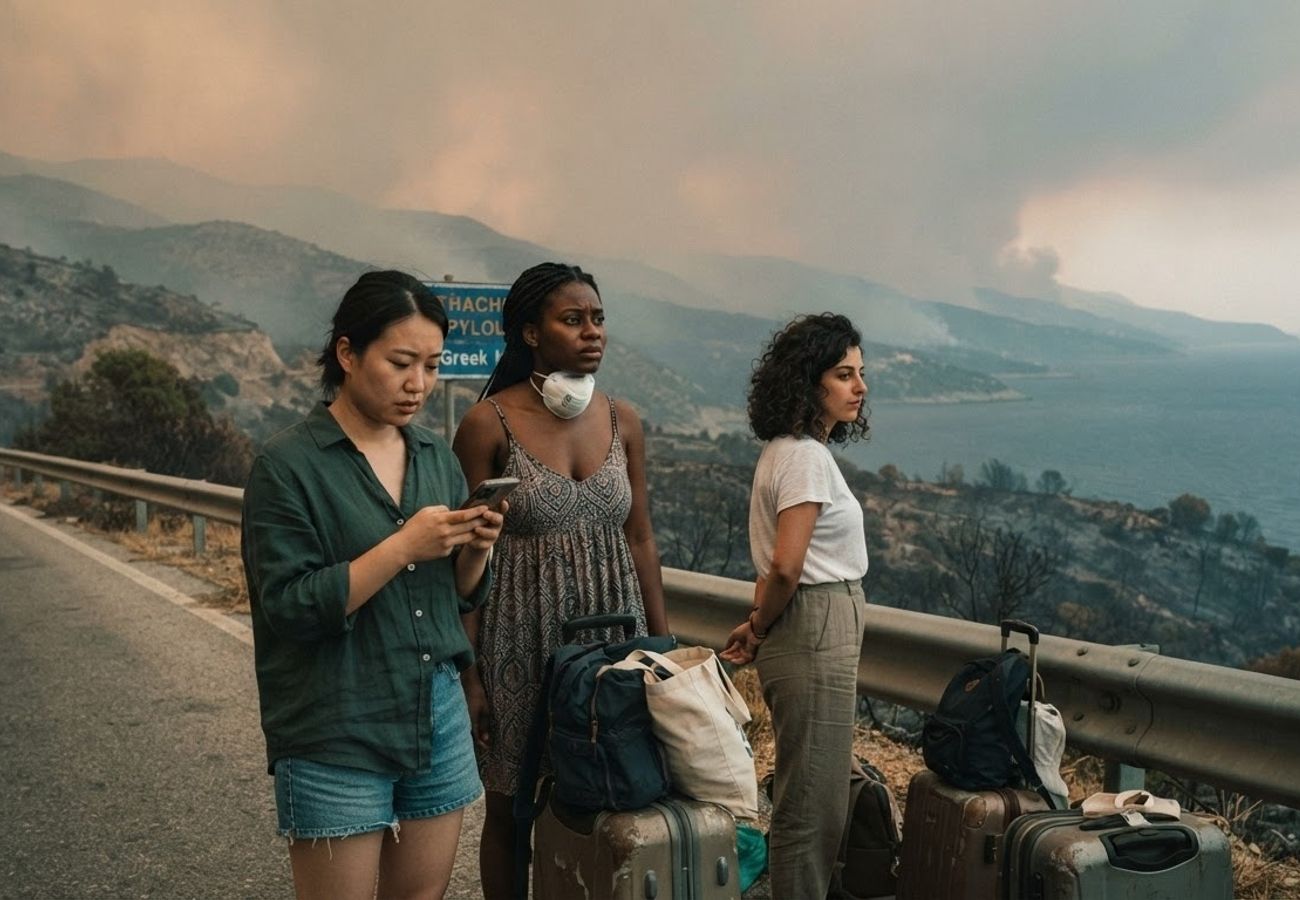
Image generated by AI
Relentless wildfire activity across the Mediterranean and North America is creating a volatile environment for 2026 summer travelers, shifting the focus toward emergency preparedness and climate-conscious tourism.
The Local Trend Revealed
The 2026 summer season has transitioned from a traditional holiday peak into a high-stakes environmental emergency. A combination of prolonged drought, extreme heat, and powerful winds has triggered a series of "hellish infernos" across the world's most popular sun-seeking destinations. This is no longer a series of isolated incidents but a systemic trend affecting the tourism economy from the coastlines of the Algarve to the forests of California.
In Spain, the situation is particularly acute. Areas such as Bédar, Almería Province, and the Sierra de los Filabres are currently grappling with major wildfire zones. The impact is not limited to rural wilderness; high-traffic holiday spots like Grazalema and the Les Gavarres Natural Area in Catalonia are seeing significant damage, leading to road closures and the shutdown of key natural attractions.
France is facing similar pressures, specifically in the south. The Perpignan region and Trevillach have seen thousands of evacuations as flames move through the Eastern Pyrenees (Pyrénées-Orientales). In Greece, the crisis has hit the Peloponnese, the Attica region near Athens, and the islands of Crete and Chios, where smoke is actively degrading air quality and threatening the viability of local hospitality businesses.
Cultural & Environmental Value (Information Gain)
This crisis is highlighting the urgent need for a transition toward "Regenerative Tourism." Rather than simply visiting, there is a growing movement to support the local communities and conservation bodies tasked with restoring these scorched landscapes.
Regional conservation bodies and local tourism departments are now urging visitors to shift their travel windows to the "shoulder seasons" (spring and autumn) to reduce the human footprint during high-risk fire months. By diversifying when and where they visit, travelers can help reduce the strain on emergency services and provide a more stable, year-round income for local businesses that are currently suffering from peak-season cancellations.
Furthermore, the current emergency is driving a surge in support for local agricultural cooperatives in regions like Sicily, Sardinia, and Calabria, where vegetation fires threaten not just tourism, but the ancestral olive groves and vineyards that define the cultural heritage of Italy.
Current Wildfire Impact Zones 2026
| Place / Region | Country | Status |
|---|---|---|
| Bédar | Spain | Major wildfire zone with casualties and evacuations |
| Almería Province | Spain | One of Europe’s deadliest ongoing wildfire areas |
| Sierra de los Filabres | Spain | Large forest fire burning in mountainous terrain |
| Grazalema / Sierra de Grazalema | Spain | Holiday destination and protected park impacted |
| Castellón Province | Spain | Active wildfire and evacuations reported |
| Sierra de Espadán Natural Park | Spain | Forest fire threatening communities |
| Les Gavarres Natural Area | Spain | Extensive wildfire damage in Catalonia |
| Trevillach / Perpignan | France | Large wildfires forcing thousands of evacuations |
| Eastern Pyrenees | France | Major wildfire hotspot |
| Peloponnese / Crete / Chios | Greece | Wildfire activity affecting tourism and communities |
| Attica (Athens Region) | Greece | Wildfire warnings and smoke impacts |
| Sardinia / Sicily / Calabria | Italy | Elevated vegetation fires threatening agriculture |
| Algarve / Central Portugal | Portugal | Forest fires and emergency operations |
| Serra da Estrela | Portugal | Wildfire-prone mountainous region |
| California (Los Padres, Sequoia, Cleveland) | USA | Numerous active wildfires in National Forests |
| Arizona (Coconino) | USA | Active wildfire response |
| Nebraska Sandhills / Lake McConaughy | USA | Major grassland wildfires and evacuations |
| Texas Panhandle / New Mexico | USA | Seasonal grassland and forest outbreaks |
Visitor Insider Tips
For those still planning travel to these regions or seeking to visit during the recovery phase, consider these local insights:
- Real-Time Monitoring: Do not rely solely on airline notifications. Use official regional apps from the French Sapeurs-Pompiers or the Spanish UME (Unidad Militar de Emergencias) for hyper-local evacuation alerts.
- Off-Peak Windows: To avoid the "fire season" and support the local economy, target October through November for Southern Europe. The weather remains mild, and the risk of wildfire is significantly lower.
- Cultural Etiquette: In affected areas like Crete or the Algarve, avoid visiting "disaster tourism" sites (burnt forests) unless officially opened to the public, as these areas are often unstable and critical for soil recovery.
- Dining Specialties: Support "Km 0" restaurants. In Spain and Italy, look for establishments that source ingredients from local farms that have survived the fires; this provides direct financial support to the regional agricultural backbone.
- Packing Essentials: If traveling through smoke-affected regions (like Attica or California), carry high-filtration masks (N95) to protect against particulate matter, which can linger long after the flames are extinguished.
Tourism Outlook
The long-term impact for these destinations is a forced evolution of the "Sun and Beach" model. As the 2026 season demonstrates, the traditional summer peak is becoming increasingly hazardous. We expect to see a permanent shift toward decentralized tourism, where visitors are encouraged to explore inland, sustainable hubs rather than concentrating in high-risk coastal or forest-adjacent zones.
The ability of these regions to restore confidence among international visitors will depend on the transparency of their safety measures and their commitment to eco-conservation. The focus is shifting from "maximum occupancy" to "managed capacity," ensuring that tourism supports the environment rather than exacerbating its fragility.
Travel with caution, respect the land, and prioritize local safety over itinerary goals.
Related Travel Guides
Disclaimer
This article is for informational and educational purposes only. It does not constitute legal, financial, or professional advice. While we strive to provide accurate and up-to-date information, travel policies, regulations, and conditions change rapidly. Always verify information with official sources before making travel decisions. Nomad Lawyer makes no representations about the accuracy, reliability, completeness, or suitability of the information provided. Readers should consult qualified professionals for advice specific to their circumstances. The views expressed in this article are those of the author and do not necessarily reflect the views of Nomad Lawyer.
Preeti Gunjan
Contributor & Community Manager
A passionate traveller and community builder. Preeti helps grow the Nomad Lawyer community, fostering engagement and bringing the reader experience to life.
Learn more about our team →