
France Nuclear Power Crisis 2026: Heatwave Forces Reactor Shutdowns Impacting Energy Grids in Germany Switzerland and UK
Extreme heatwaves in 2026 have forced France to cut nuclear reactor output to protect river ecosystems, triggering energy security warnings across the UK, Germany, and Switzerland.

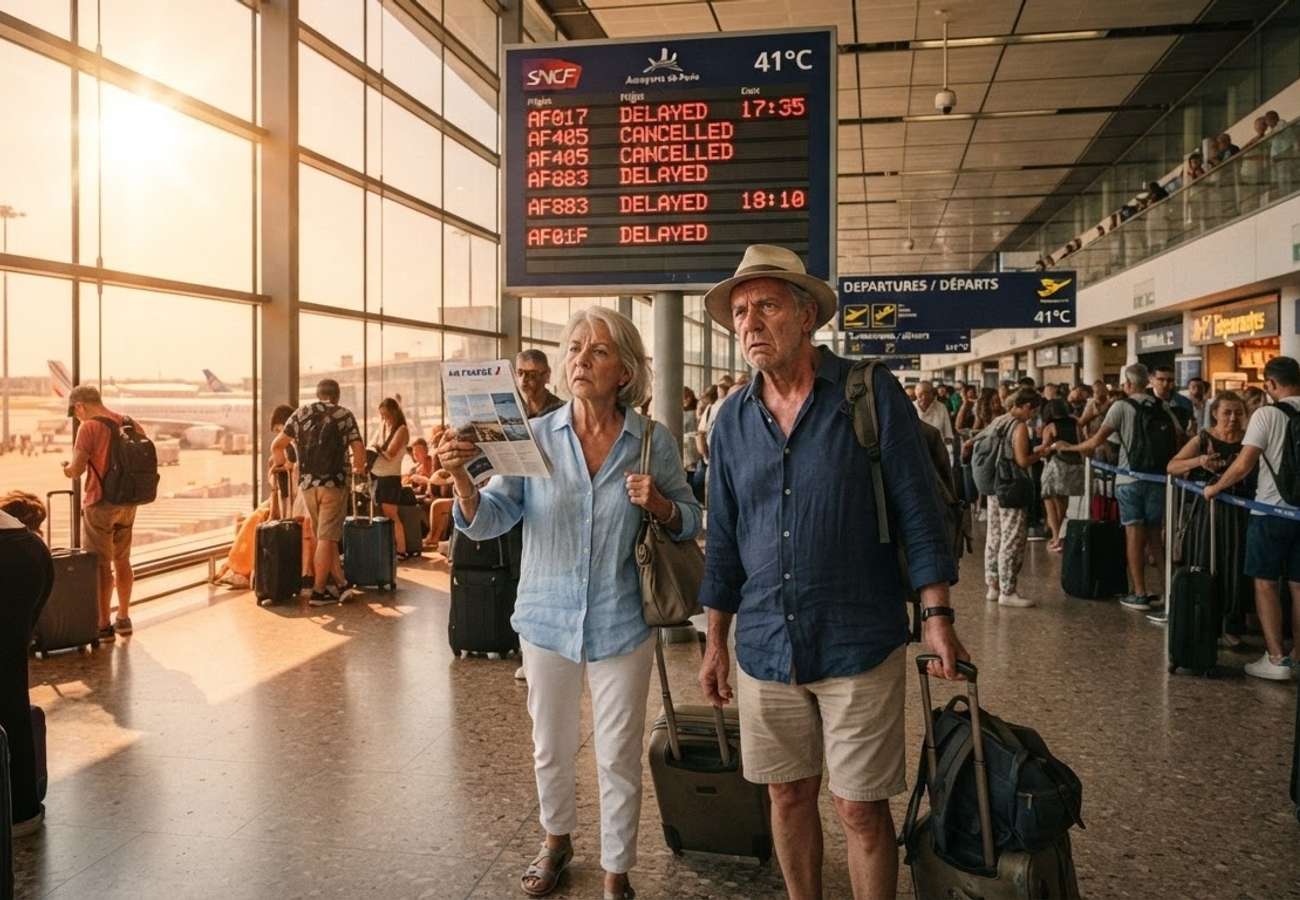
Image generated by AI
Extreme temperatures are forcing a critical rethink of Europe's energy dependencies as France struggles to cool its nuclear fleet during a record-breaking 2026 summer.
The stability of the European power grid is currently under threat as France, the continent's largest nuclear electricity producer, battles a severe heatwave. The crisis centers on a fundamental environmental conflict: the need for massive amounts of river water to cool nuclear reactors versus the necessity of protecting aquatic ecosystems from lethal thermal pollution.
The Local Trend Revealed: Thermal Limits and Reactor Shutdowns
In 2026, France has seen its nuclear infrastructure pushed to the brink by the third major heat event since late May. With regional temperatures approaching 41 degrees Celsius, the primary electricity producer has been forced to take three nuclear reactors offline entirely. These shutdowns occurred at the Golfech, Bugey, and Chooz facilities, which rely on the Garonne, Rhône, and Meuse rivers for cooling.
The operational mechanism is straightforward but rigid. Nuclear plants draw water from these rivers to remove excess heat from the reactors before discharging the warmed water back into the stream. However, when river temperatures naturally rise during a heatwave, the water's capacity to absorb additional heat diminishes. To prevent the rivers from reaching temperature thresholds that would devastate local fish populations and aquatic biodiversity, French authorities have implemented strict environmental limits, necessitating reduced capacity or total shutdowns.
Cultural & Environmental Value: Balancing Power and Ecology
This crisis highlights a pivotal shift in how Europe values environmental conservation over industrial output. The decision to prioritize the health of the Garonne, Rhône, and Meuse rivers over maximum electricity generation reflects a growing commitment to ecological preservation. By adhering to these environmental safety limits, France is attempting to prevent long-term biological collapse in its river systems, even at the cost of short-term energy stability.
However, this localized environmental protection has a continental ripple effect. Because the European grid is deeply interconnected, a dip in French production creates an immediate vacuum in neighboring markets:
- Switzerland: The Beznau nuclear plant, which relies on the Aare River, faces similar vulnerabilities, proving that the cooling crisis is a systemic regional issue.
- Germany: Having phased out its own nuclear fleet, Germany now relies heavily on imports. The reduction in French output coincides with a surge in German demand for air conditioning, straining grid stability.
- United Kingdom: Through international interconnection networks, the UK feels the decline in French supply, forcing grid managers to lean more heavily on gas and renewables to avoid shortages.
Visitor Insider Tips: Navigating France During Heat Extremes
For those traveling through France during these high-temperature windows, the energy crisis and heatwaves alter the typical tourist experience.
- Off-Peak Exploration: Avoid the "peak heat" window between 12:00 PM and 4:00 PM. Many smaller museums and regional attractions in the Rhône and Garonne valleys may implement modified hours or temporary closures to reduce power loads.
- Local Dining Specialty: Seek out Citronnade (traditional French lemonade) and chilled Gazpacho variants in regional bistros; these are staples of the summer heat survival kit.
- Under-the-Radar Spot: Instead of the crowded city centers, head to the Villages et Cités Caractères in higher altitude regions like the Auvergne, where temperatures remain manageable and the impact of the energy crisis is less felt in daily commerce.
- Cultural Etiquette: Be mindful that during "Canicule" (heatwave) alerts, public water fountains are high-traffic areas. Always carry a reusable bottle and respect the local "quiet hours" in residential neighborhoods during the hottest part of the day.
Tourism Outlook
The long-term impact of these recurring climate events is a transition toward "Climate-Adaptive Tourism." As France and its neighbors grapple with infrastructure designed for a cooler century, visitors can expect a shift toward sustainable, low-energy accommodations and a move away from high-consumption luxury resorts.
The 2026 crisis serves as a warning: the reliability of the European energy grid is no longer guaranteed by traditional nuclear power alone. The future of the region's stability—and its attractiveness to global nomads and tourists—will depend on how quickly it can integrate decentralized renewable energy and smarter water management systems to protect both the power grid and the natural world.
The intersection of energy security and environmental ethics is now the defining challenge for the European summer.
Related Travel Guides
Disclaimer
This article is for informational and educational purposes only. It does not constitute legal, financial, or professional advice. While we strive to provide accurate and up-to-date information, travel policies, regulations, and conditions change rapidly. Always verify information with official sources before making travel decisions. Nomad Lawyer makes no representations about the accuracy, reliability, completeness, or suitability of the information provided. Readers should consult qualified professionals for advice specific to their circumstances. The views expressed in this article are those of the author and do not necessarily reflect the views of Nomad Lawyer.
Preeti Gunjan
Contributor & Community Manager
A passionate traveller and community builder. Preeti helps grow the Nomad Lawyer community, fostering engagement and bringing the reader experience to life.
Learn more about our team →