
Singapore Airlines Doubles Down on A380 Superjumbo Despite Industry Phase-Out Trend
Breaking airline news and aviation industry updates for 2026.

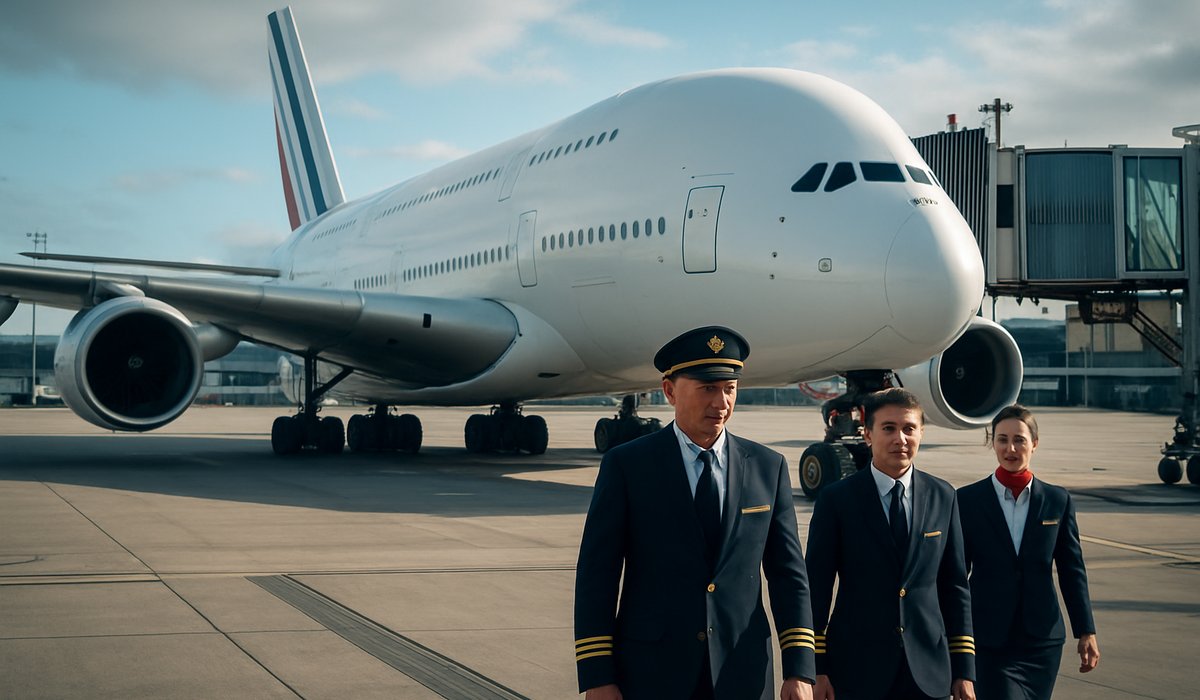
Image generated by AI
Singapore Airlines Doubles Down on A380 Superjumbo Despite Industry Phase-Out Trend
Twenty years after pioneering the massive aircraft, the carrier refuses to retire its flagship jets—here's why the high-capacity widebody remains commercially viable
The Strategic Advantage of Scale and Premium Positioning
Two decades after becoming the first airline to welcome the Airbus A380 into commercial service, Singapore Airlines continues to operate the double-deck superjumbo on its most demanding long-haul routes—a decision that defies the broader aviation industry's gradual retreat from the aircraft type. While competitors have systematically retired their A380 fleets, the Singapore-based carrier maintains its commitment to the massive jet, leveraging a competitive advantage that few airlines can replicate: unmatched premium cabin density paired with exceptional per-seat profitability metrics.
The strategic calculus underpinning this operational choice reflects a fundamental truth about modern premium aviation. The A380's two-deck configuration delivers what no competing aircraft can match—the ability to simultaneously maximize high-yield business and first-class seating while maintaining robust economy capacity on ultra-long-distance services. For routes spanning 15+ hours, this combination proves economically decisive for carriers targeting premium-paying passengers willing to pay substantial fares for premium cabin products.
Premium Cabin Economics Drive Continued Operations
Singapore Airlines has built its reputation on delivering what industry analysts describe as "the gold standard" in premium travel experiences. The A380 platform enables this positioning by allowing the carrier to deploy approximately 100-150 premium cabin seats on single flights—a volume that enables sophisticated yield management strategies and guarantees daily premium cabin availability on flagship routes.
The airline's refusal to accelerate A380 retirements stems directly from this economic reality. While the aircraft consumes significant jet fuel and carries higher operating costs than smaller widebodies, the revenue-generation capability on premium cabin products more than compensates for these expenses. A fully loaded A380 premium deck on a 16-hour service generates per-flight revenues that smaller twin-aisle jets cannot approach.
Industry Divergence: Why Others Exit While Singapore Airlines Stays
Most major carriers have exited the A380 market entirely, citing fleet commonality challenges, maintenance complexities, and insufficient demand for such massive capacity on typical long-haul networks. The COVID-19 pandemic accelerated this exodus, with several carriers permanently retiring their remaining superjumbos.
Singapore Airlines' continued A380 operations underscore a critical distinction: the airline operates in an ultra-premium market segment where passenger willingness-to-pay justifies extraordinary aircraft economics. This positioning creates a sustainable business model that transcends the conventional unit-cost calculations plaguing other A380 operators.
The carrier's strategy demonstrates that aviation's future isn't necessarily about smaller, more fuel-efficient aircraft—it's about matching aircraft capabilities to route economics and passenger market segmentation.
FAQ: Understanding A380 Operations and Premium Aviation Economics
Why does Singapore Airlines still operate the A380 when other airlines have retired theirs? The airline's premium-focused business model generates exceptional per-seat revenue on premium cabins, offsetting higher operating costs that make the A380 uneconomical for other carriers serving mixed-cabin markets.
How does the A380's capacity advantage translate to profitability? The double-deck configuration allows Singapore Airlines to deploy 100+ premium seats on single flights, enabling higher aggregate premium revenues compared to smaller widebody alternatives on identical routes.
What makes Singapore Airlines' A380 strategy unique in aviation? The carrier's ultra-premium positioning and willingness-to-pay metrics among passengers justify operational economics that conventional airlines cannot sustain with the superjumbo.
Are other airlines considering A380 operations following Singapore Airlines' continued commitment? Market signals suggest minimal interest, as most carriers lack Singapore Airlines' premium market presence and passenger demographic concentration.
How do jet fuel prices impact A380 viability for carriers like Singapore Airlines? While elevated fuel costs increase operating expenses across all aircraft types, Singapore Airlines' premium revenue generation per seat remains sufficient to maintain economic viability on strategic routes.
Related Travel Guides
Flight Delay Compensation Guide 2026
Understanding Airline Route Changes
Airport Security Process Updated (2026)
External Resources
Disclaimer
This article is for informational and educational purposes only. It does not constitute legal, financial, or professional advice. While we strive to provide accurate and up-to-date information, travel policies, regulations, and conditions change rapidly. Always verify information with official sources before making travel decisions. Nomad Lawyer makes no representations about the accuracy, reliability, completeness, or suitability of the information provided. Readers should consult qualified professionals for advice specific to their circumstances. The views expressed in this article are those of the author and do not necessarily reflect the views of Nomad Lawyer.
Kunal K Choudhary
Co-Founder & Contributor
A passionate traveller and tech enthusiast. Kunal contributes to the vision and growth of Nomad Lawyer, bringing fresh perspectives and driving the community forward.
Learn more about our team →