
Boeing 787-10 Dreamliner Gains Regulatory Approval to Challenge Airbus A350's Ultra-Long-Haul Dominance
Breaking airline news and aviation industry updates for 2026.

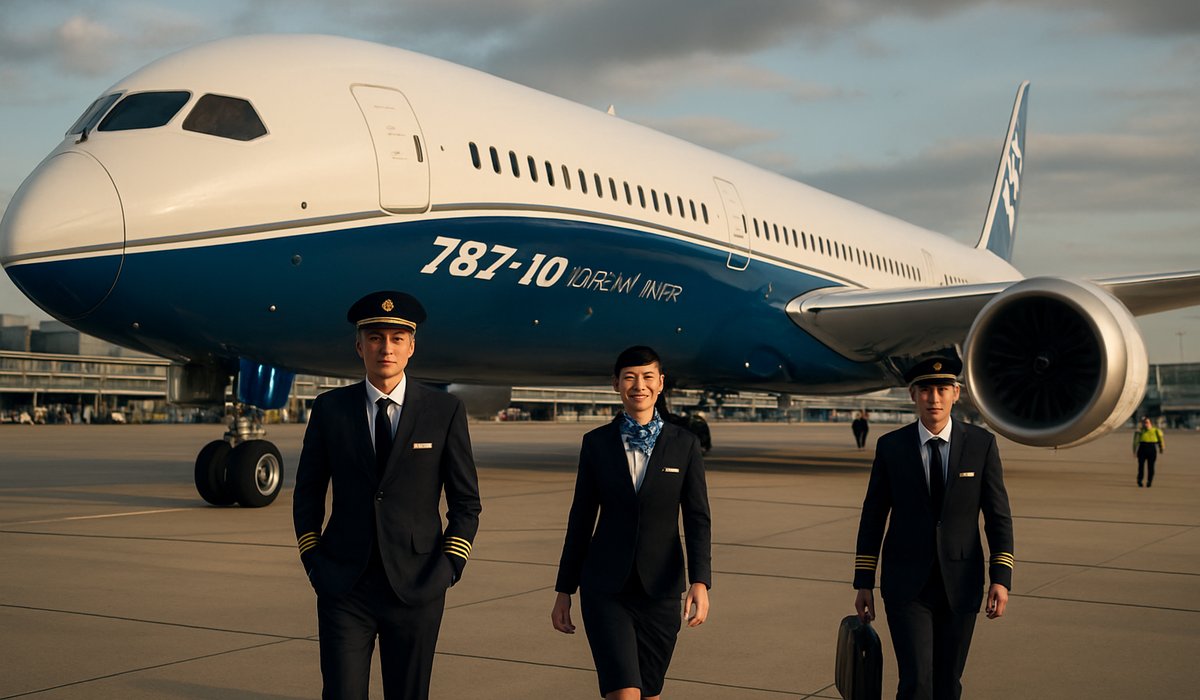
Image generated by AI
Boeing 787-10 Dreamliner Gains Regulatory Approval to Challenge Airbus A350's Ultra-Long-Haul Dominance
A pivotal certification milestone narrows the competitive gap in next-generation wide-body aircraft
Breaking Development in Commercial Aviation
Boeing has achieved a significant regulatory milestone that substantially strengthens its competitive position against Airbus in the ultra-long-haul aircraft market. The Federal Aviation Administration (FAA) has granted the Boeing 787-10 Dreamliner expanded operational capabilities, effectively narrowing the performance gap with Airbus's A350—the current industry leader in maximum commercial flight range.
This certification represents a watershed moment for Boeing's wide-body strategy, enabling the stretched 787-10 variant to access route networks previously reserved for Airbus's flagship wide-body offering. The development comes as global airlines increasingly demand aircraft capable of connecting secondary cities on transcontinental routes, reducing the need for hub-and-spoke connectivity models.
What Changed for Boeing's Flagship
The regulatory approval permits the 787-10 to operate extended-range missions that were previously beyond its certified envelope. While the Airbus A350 has maintained a technical range advantage since its introduction, Boeing's latest certification demonstrates that operational capability differences between the two platforms are narrowing substantially.
Industry analysts note this development carries significant implications for airline fleet planning. Carriers evaluating ultra-long-haul aircraft investments now face a more closely matched competitive proposition, potentially affecting Airbus's market dominance in this category. The 787-10, already popular among operators for its fuel efficiency and passenger comfort features, now becomes a more versatile platform for transcontinental route expansion.
Market Implications and Competitive Landscape
The certification occurs amid broader aviation industry dynamics shaped by volatile jet fuel prices and shifting post-pandemic travel patterns. Airlines operating long-haul networks are increasingly scrutinizing operating costs, where the 787-10's superior fuel economy compared to older wide-body alternatives presents compelling economics.
"This milestone underscores the 787 family's continued evolution as a transformational platform," Boeing stated regarding the development, emphasizing the aircraft's capability to adapt to emerging market demands.
The move strengthens Boeing's position in a sector where aircraft range capabilities directly influence route profitability and airline competitiveness. For carriers currently operating regional hubs, the expanded 787-10 range unlocks direct-service possibilities that reduce passenger connection times and improve revenue potential.
Industry Context
Both manufacturers continue investing in next-generation aircraft as airlines emerge from pandemic recovery with modernized fleet strategies. The competitive dynamics between Boeing and Airbus in the wide-body segment remain intense, with each manufacturer pursuing technological advantages to secure long-term order books. This latest development suggests Boeing's engineering investments in the 787 platform are delivering measurable competitive returns.
Frequently Asked Questions
What is the Boeing 787-10 Dreamliner's new capability? The 787-10 has received FAA approval to operate extended ultra-long-haul routes previously limited to the Airbus A350, narrowing the competitive gap between the two aircraft platforms.
How does this affect airline operations and travel costs? Airlines gain flexibility in route planning and network efficiency, potentially reducing ticket prices through improved load factors and operational economics on thin long-haul routes.
Why does aircraft range matter for airlines? Extended range enables point-to-point flights between secondary cities, eliminating costly hub connections and improving passenger convenience while enhancing airline profitability.
How does this impact the Boeing vs. Airbus competition? The development strengthens Boeing's market positioning in the ultra-long-haul segment, where Airbus previously held a technical advantage, intensifying competition for future aircraft orders.
What role does fuel efficiency play in this rivalry? The 787-10's superior fuel economy compared to competing wide-body aircraft makes extended-range capabilities more economically viable for airlines operating on marginal routes.
Related Travel Guides
Flight Delay Compensation Guide 2026
Understanding Airline Route Changes
Airport Security Process Updated (2026)
External Resources
Disclaimer
This article is for informational and educational purposes only. It does not constitute legal, financial, or professional advice. While we strive to provide accurate and up-to-date information, travel policies, regulations, and conditions change rapidly. Always verify information with official sources before making travel decisions. Nomad Lawyer makes no representations about the accuracy, reliability, completeness, or suitability of the information provided. Readers should consult qualified professionals for advice specific to their circumstances. The views expressed in this article are those of the author and do not necessarily reflect the views of Nomad Lawyer.
Kunal K Choudhary
Co-Founder & Contributor
A passionate traveller and tech enthusiast. Kunal contributes to the vision and growth of Nomad Lawyer, bringing fresh perspectives and driving the community forward.
Learn more about our team →