
Boeing's 777X Folding Wingtips: How One Innovation Cost More to Engineer Than Entire Aircraft Programs
Breaking airline news and aviation industry updates for 2026.

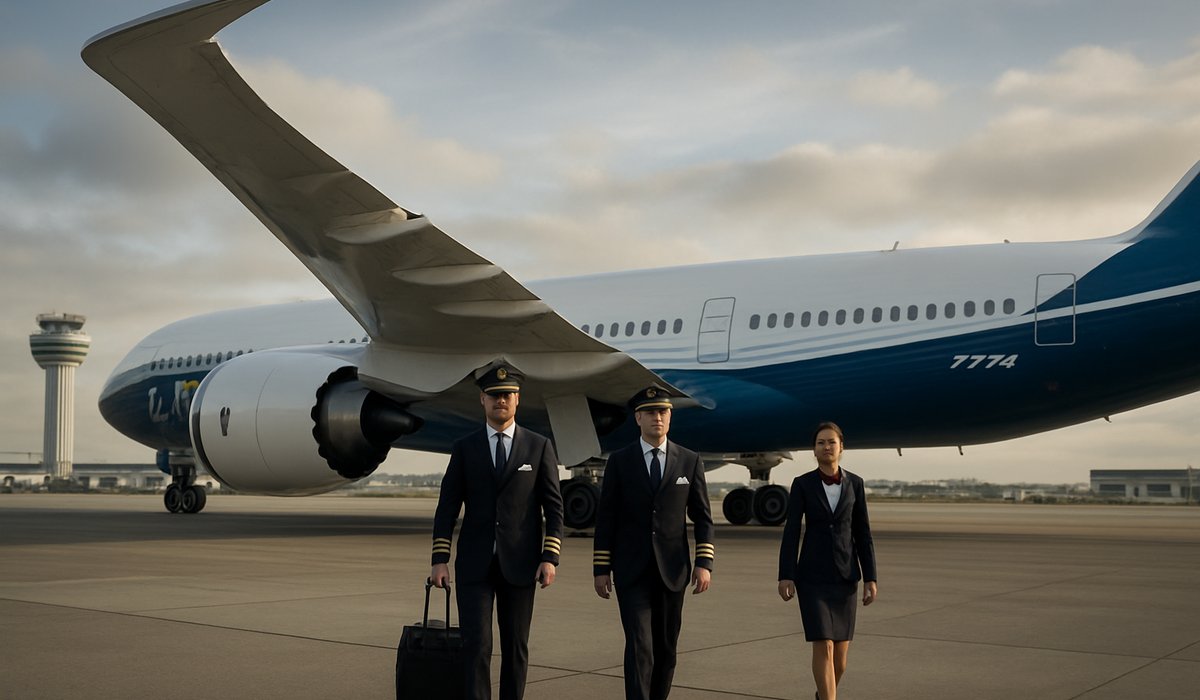
Image generated by AI
Boeing's 777X Folding Wingtips: How One Innovation Cost More to Engineer Than Entire Aircraft Programs
The aerospace giant's revolutionary wing-folding technology exposes the hidden complexity—and financial risk—of incremental aircraft design
The Engineering Paradox That Defied Industry Economics
Boeing's gamble on the 777X widebody jet has exposed a fundamental contradiction in modern aircraft development: sometimes, a single mechanical innovation can consume more engineering resources and capital than building an entirely new airplane from the ground up.
The 777X was conceived as an evolutionary upgrade to one of commercial aviation's most successful platforms—the proven twin-engine 777 family. The original business case hinged on a straightforward principle: leveraging existing architecture and proven systems would dramatically reduce development timelines and costs compared to a clean-sheet design. That logic collapsed when Boeing engineers faced an insurmountable obstacle: airport gate compatibility.
The Gate Problem and the Folding Wing Solution
Extending the 777X's wings to improve fuel efficiency and range created a wingspan that exceeded the physical constraints of most airport infrastructure worldwide. Traditional gate systems, taxiway widths, and hangar configurations couldn't accommodate the larger airframe. Rather than abandon the aerodynamic gains, Boeing engineered a revolutionary solution: folding wingtips that automatically retract during ground operations and extend during flight.
Elegant in concept. Catastrophically expensive in execution.
Cascading Costs and Unforeseen Complexity
What appeared as a targeted modification triggered an architectural earthquake across the entire aircraft. The folding mechanism required:
- Entirely new structural reinforcement systems throughout the fuselage
- Complex hydraulic and electrical integration networks
- Advanced control software demanding years of validation testing
- Structural certification processes that had no historical precedent
- Regulatory frameworks that aviation authorities had to develop from scratch
Each system demanded integration with existing 777 components, creating unanticipated incompatibilities that spiraled into months of redesign cycles. Unlike a clean-sheet program where engineers design systems simultaneously from conception, retrofitting revolutionary technology into an existing platform forced constant architectural compromises.
Financial Fallout Reshaping the Program
Industry analysts estimate the folding wingtip development consumed engineering budgets exceeding those required to design certain legacy wide-body aircraft from inception. Boeing's development timeline stretched far beyond initial projections, compounding labor, testing, and certification expenses.
The 777X program ultimately demonstrated why incremental innovation—while theoretically cost-effective—can become economically perilous when introducing truly unprecedented systems. A clean-sheet aircraft would have integrated the folding mechanism into foundational design parameters, avoiding the cascading modifications that plagued the 777X.
Industry Implications for Future Aircraft Development
Boeing's experience is reshaping how manufacturers evaluate derivative versus new-design strategies. The aerospace sector is increasingly recognizing that "evolutionary" platforms disguise hidden complexity when incorporating breakthrough technologies.
FAQs: Understanding Aircraft Engineering Economics
Q: Why don't aircraft manufacturers design folding wings from the start? A: Folding wing technology was not operationally necessary until existing airframes exceeded airport infrastructure limits. Designing for unused capabilities unnecessarily increases weight and complexity.
Q: How much did Boeing's 777X folding wingtip engineering cost? A: While exact figures remain proprietary, industry estimates suggest development costs rivaled or exceeded complete new aircraft programs, likely in the billions of dollars.
Q: What regulatory challenges did folding wingtips create? A: Aviation authorities had no existing certification frameworks for retractable primary structures, requiring new testing protocols and safety validation from regulatory bodies worldwide.
Q: Could Boeing have chosen a different solution to the gate problem? A: Theoretically yes—reduced wingspan, split-fuselage designs, or accepting smaller market segments. Folding wingtips represented the most market-preserving option, despite engineering costs.
Q: Will other aircraft manufacturers adopt folding wing technology? A: Likely, but only for clean-sheet designs where folding mechanisms integrate from conception, avoiding the compounding costs that plagued the 777X's evolutionary approach.
Related Travel Guides
External Resources
Disclaimer
This article is for informational and educational purposes only. It does not constitute legal, financial, or professional advice. While we strive to provide accurate and up-to-date information, travel policies, regulations, and conditions change rapidly. Always verify information with official sources before making travel decisions. Nomad Lawyer makes no representations about the accuracy, reliability, completeness, or suitability of the information provided. Readers should consult qualified professionals for advice specific to their circumstances. The views expressed in this article are those of the author and do not necessarily reflect the views of Nomad Lawyer.
Preeti Gunjan
Contributor & Community Manager
A passionate traveller and community builder. Preeti helps grow the Nomad Lawyer community, fostering engagement and bringing the reader experience to life.
Learn more about our team →