
British Airways Reduces Premium Cabin Capacity by 35% in Boeing 747 Retirement, Signaling Major Shift in Long-Haul Strategy
Breaking airline news and aviation industry updates for 2026.

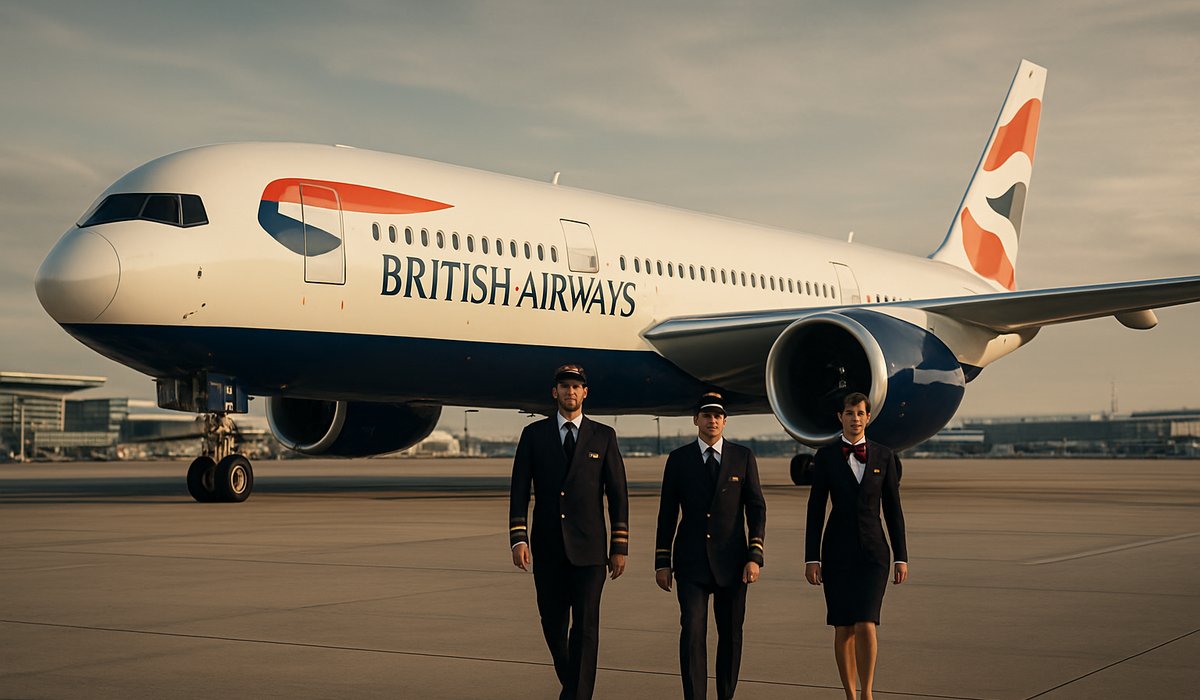
Image generated by AI
British Airways Reduces Premium Cabin Capacity by 35% in Boeing 747 Retirement, Signaling Major Shift in Long-Haul Strategy
The carrier's fleet modernization comes as airlines worldwide reassess business class capacity amid evolving demand patterns
The 747's Exit Marks Dramatic Business Class Contraction
British Airways has quietly engineered a significant reduction in premium seating as it retires its iconic Boeing 747 fleet in favor of modern twin-engine widebody aircraft. The strategic shift has eliminated 30 business class seats per aircraft—a 35% capacity reduction that underscores a fundamental reorientation of the carrier's long-haul network economics.
The retired 747, long synonymous with transatlantic luxury travel, offered 86 business class seats per aircraft. By contrast, BA's replacement aircraft—the Airbus A350-1000—carries just 56 premium seats within its three-cabin configuration of 331 total seats. This disparity reveals the airline's calculated decision to prioritize operational efficiency and revenue-per-seat metrics over raw premium capacity.
Efficiency Gains Trump Capacity Expansion
The transition reflects broader industry pressures reshaping how carriers balance fleet economics with premium product offerings. While the aviation sector has witnessed intensifying competition in business class amenities—with airlines investing heavily in lie-flat seating configurations and elevated cabin experiences—British Airways' modernization strategy prioritizes fuel efficiency and per-passenger profitability over seat volume.
The A350-1000's advanced aerodynamics and fuel consumption rates offer approximately 25% better efficiency than the aging 747, translating to reduced jet fuel expenditures and lower operational costs per flight. For BA, this efficiency advantage partially offsets the revenue impact of operating fewer premium seats on individual routes.
Broader Industry Implications
This development signals a potential inflection point in how legacy carriers approach long-haul fleet planning. Rather than maximizing business class inventory, airlines increasingly favor aircraft that deliver superior margins through reduced fuel costs and maintenance expenses—even when that means accepting lower absolute premium seating numbers.
The move also reflects softer demand patterns in select markets, with corporate travel patterns shifting post-pandemic toward a mix of premium economy and business class purchases rather than exclusive premium deployments.
What This Means for Travelers
For frequent flyers and premium passengers, the capacity reduction could translate to tighter award availability and elevated business class fares on competitive long-haul routes previously served by higher-capacity 747s. BA may compensate through dynamic pricing strategies and enhanced onboard products to justify premium positioning despite reduced inventory.
FAQ: British Airways Fleet Changes and Premium Travel
Q: How many business class seats does the Boeing 747 have compared to the A350-1000? A: BA's retired 747 featured 86 business class seats, while the A350-1000 carries 56, representing a 30-seat reduction per aircraft.
Q: Why are airlines reducing business class capacity despite high demand? A: Modern twin-engine aircraft offer superior fuel efficiency (approximately 25% better than 747s), reducing jet fuel costs and improving per-passenger profitability, even with fewer premium seats.
Q: Will this affect airline fees and baggage charges for business class passengers? A: Reduced capacity typically supports higher premium fares. Airlines may offset lower seat volume through elevated pricing rather than implementing additional baggage fees for premium cabin passengers.
Q: What is driving airlines to modernize their widebody fleets? A: Fuel price volatility, carbon efficiency mandates, and post-pandemic demand patterns are pushing carriers toward newer aircraft with lower operating costs and environmental compliance.
Q: How does this impact frequent flyer award availability in business class? A: Reduced business class capacity generally constrains award seat availability, potentially requiring passengers to book further in advance or face elevated mileage costs.
Related Travel Guides
External Resources
Disclaimer
This article is for informational and educational purposes only. It does not constitute legal, financial, or professional advice. While we strive to provide accurate and up-to-date information, travel policies, regulations, and conditions change rapidly. Always verify information with official sources before making travel decisions. Nomad Lawyer makes no representations about the accuracy, reliability, completeness, or suitability of the information provided. Readers should consult qualified professionals for advice specific to their circumstances. The views expressed in this article are those of the author and do not necessarily reflect the views of Nomad Lawyer.
Kunal K Choudhary
Co-Founder & Contributor
A passionate traveller and tech enthusiast. Kunal contributes to the vision and growth of Nomad Lawyer, bringing fresh perspectives and driving the community forward.
Learn more about our team →