
B-52 Stratofortress to Fly Beyond Century Mark as US Air Force Invests $2 Billion in Historic Fleet Modernization
Breaking airline news and aviation industry updates for 2026.

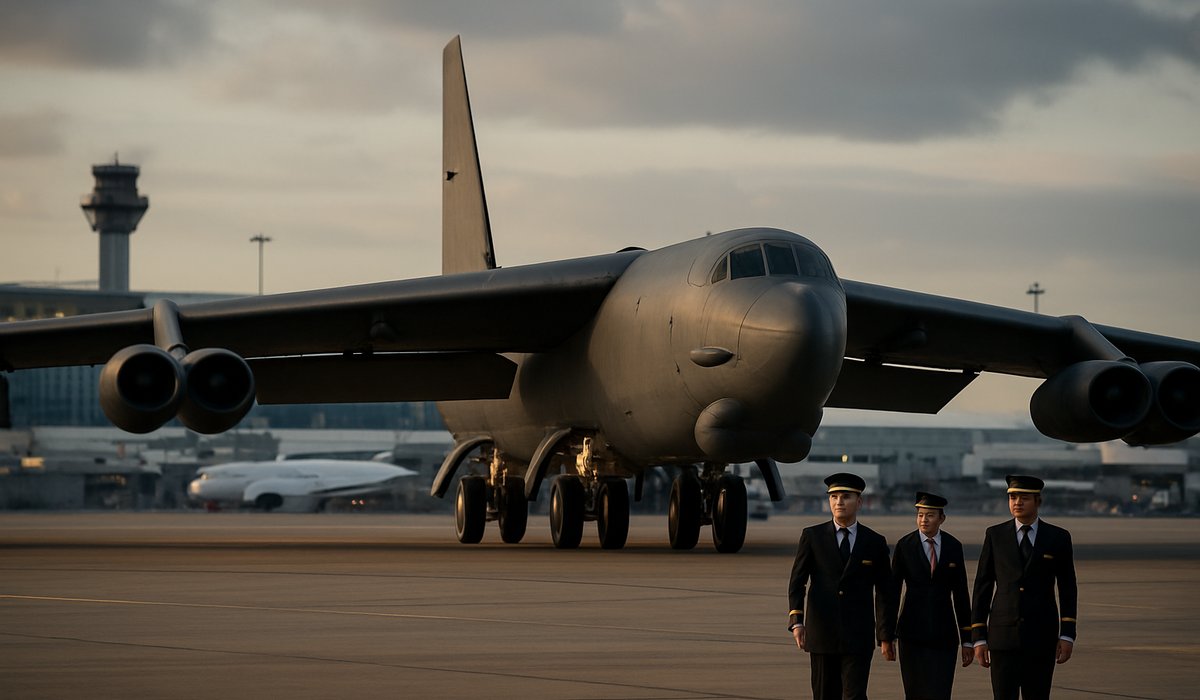
Image generated by AI
B-52 Stratofortress to Fly Beyond Century Mark as US Air Force Invests $2 Billion in Historic Fleet Modernization
Pentagon's massive upgrade program ensures Cold War-era bombers will outlast their replacement aircraft
Pentagon Commits to B-52 Longevity with Major Engine Overhaul
The United States Air Force has awarded a landmark $2 billion modernization contract in 2025 to extend the operational lifespan of its iconic B-52 Stratofortress fleet, positioning these seven-decade-old aircraft to remain combat-ready well into the 22nd century. The substantial investment represents a significant shift in military aviation strategy, as the venerable bombers—initially developed during the 1950s—will now outlive the aircraft programs designed specifically to replace them.
The centerpiece of this upgrade initiative focuses on a complete overhaul of the B-52's propulsion systems. The aging Pratt & Whitney engines that have powered these strategic bombers through the Cold War and beyond will be stripped and replaced with cutting-edge, fuel-efficient turbofan engines. This critical modernization addresses the most significant maintenance burden and operational limitation facing the aging fleet, dramatically reducing fuel consumption and extending intervals between overhauls.
Unprecedented Engine Replacement Program
The first retrofitted aircraft featuring the new powerplants are scheduled for delivery beginning in 2026, marking a watershed moment for the Air Force's strategic bomber operations. The engine replacement program represents one of the most comprehensive upgrades undertaken on any military aircraft in recent history, fundamentally revitalizing airframes that have served across multiple generations of pilots and technological eras.
Industry analysts suggest this modernization strategy demonstrates the exceptional design durability of the original B-52 airframe—a testament to 1950s engineering that continues to meet contemporary military requirements. The new engines will substantially improve the bombers' efficiency, reduce operational costs per flight hour, and enhance their combat radius without requiring entirely new aircraft development.
Strategic Implications for Military Aviation
This investment underscores a broader Pentagon reality: developing entirely new long-range bombers requires decades of development and astronomical budgets, with uncertain outcomes. The B-21 Raider, designed as the B-52's successor, remains in limited production with developmental timelines extending into the 2030s and beyond. By contrast, the B-52 modernization program delivers immediate operational improvements at a fraction of replacement costs.
The decision ensures that B-52s will continue executing strategic deterrence and conventional bombing missions through at least 2050 and potentially beyond. For military planners, extending proven platforms represents a pragmatic balance between fiscal responsibility and operational readiness in an era of constrained defense budgets.
FAQ: B-52 Modernization and Military Aviation
How long will B-52 Stratofortress bombers remain in service? The Air Force's modernization program ensures operational capability for at least 100 years from initial deployment in the 1950s, extending service well beyond 2050.
What is being replaced in the B-52 upgrade? The primary focus involves replacing the aircraft's original Pratt & Whitney engines with modern, fuel-efficient turbofan engines that reduce consumption and maintenance requirements.
Why isn't the Air Force replacing B-52s entirely with new bombers? Development of successor aircraft like the B-21 Raider requires decades of testing and billions in development costs, making airframe modernization more cost-effective for extending capability.
When will upgraded B-52s enter service? The first modernized aircraft featuring new engines are expected to be delivered beginning in 2026.
What advantages do the new engines provide? Improved fuel efficiency, reduced operational costs, extended maintenance intervals, and enhanced combat radius without requiring new aircraft development.
Related Travel Guides
- Atlanta's Busiest Airport Eyes Private Security Overhaul After TSA Staffing Crisis During Government Shutdown
- Massive Aviation Upgrade for Papua New Guinea as PNG Air Adds First ATR42-600 Aircraft to Unlock Remote Tropical Island Destinations
- Hannover Airport Joins BARIG: Transforming Ground Services and Passenger Experience Across Northern Germany in 2026
Disclaimer
This article is for informational and educational purposes only. It does not constitute legal, financial, or professional advice. While we strive to provide accurate and up-to-date information, travel policies, regulations, and conditions change rapidly. Always verify information with official sources before making travel decisions. Nomad Lawyer makes no representations about the accuracy, reliability, completeness, or suitability of the information provided. Readers should consult qualified professionals for advice specific to their circumstances. The views expressed in this article are those of the author and do not necessarily reflect the views of Nomad Lawyer.
Preeti Gunjan
Contributor & Community Manager
A passionate traveller and community builder. Preeti helps grow the Nomad Lawyer community, fostering engagement and bringing the reader experience to life.
Learn more about our team →