
U.S. Air Force Reverses A-10 Warthog Retirement Plan Following Iran Rescue Operation
Breaking airline news and aviation industry updates for 2026.

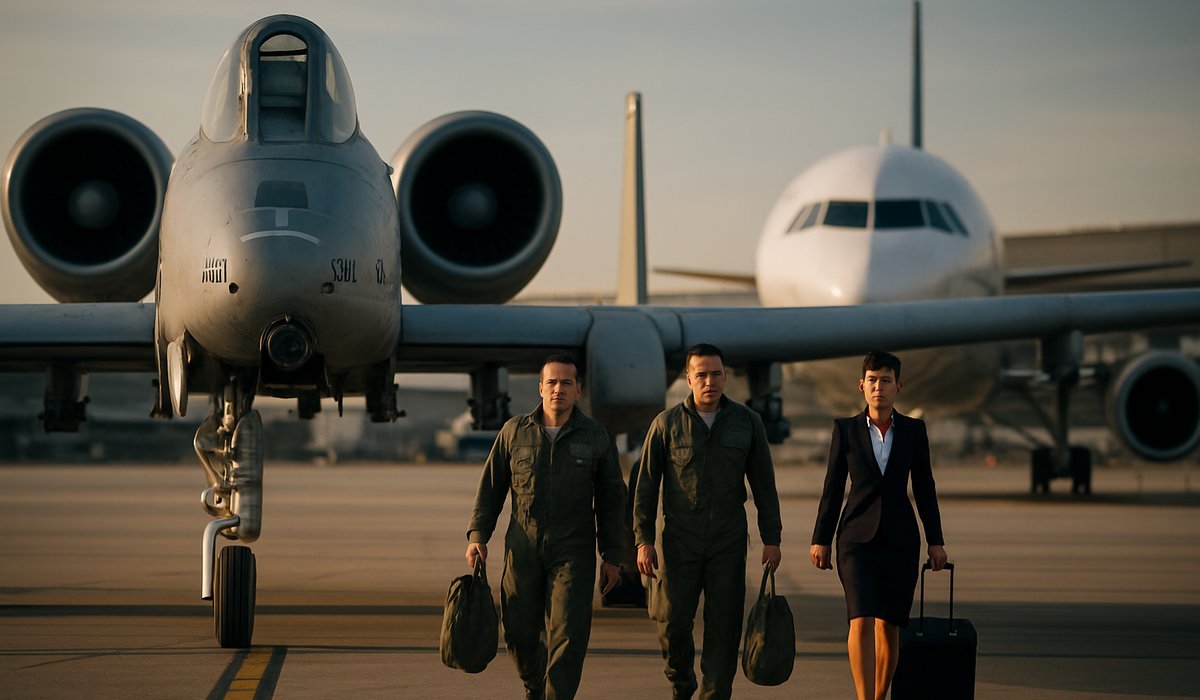
Image generated by AI
U.S. Air Force Reverses A-10 Warthog Retirement Plan Following Iran Rescue Operation
Iconic close-air-support aircraft deemed critical after dramatic F-15E pilot recovery in 2026
Strategic Reversal Reshapes Military Aviation Future
The U.S. Air Force has dramatically reversed course on its long-standing plan to retire the Fairchild Republic A-10 Thunderbolt II—commonly known as the Warthog—extending the aircraft's operational lifespan through Fiscal Year 2030. The reversal comes directly in the aftermath of a high-stakes pilot rescue operation conducted during 2026's Operation Epic Fury over Iranian airspace, when an A-10 squadron executed a critical recovery of a downed F-15E Strike Eagle pilot.
The decision marks a significant turnaround for Pentagon leadership, which had persistently sought to decommission the entire fleet of these rugged, heavily-armored attack aircraft for years. Institutional resistance from Congress, however, repeatedly blocked full retirement efforts, forcing military planners to negotiate incremental phase-outs with strict annual limits on how many aircraft could be removed from service.
Mission Performance Validates Aircraft Design
The rescue operation exposed operational gaps that modern fighter-bombers cannot adequately fill. The A-10's unique design—engineered specifically for close-air-support missions in contested environments—proved irreplaceable during the Iranian operation. The aircraft's durability, precision targeting capabilities, and exceptional loiter time over target areas demonstrated capabilities that remain unmatched by newer, multi-purpose combat platforms.
Military analysts now recognize that retiring the Warthog fleet would have created critical vulnerabilities in U.S. ground-support capacity, particularly in asymmetrical conflict scenarios where sustained, low-altitude operations are essential.
Extended Service Addresses Capability Gaps
By committing to maintain A-10 squadrons through 2030, the Air Force acknowledges that its modernization strategy had underestimated the platform's continued relevance. The extended operational window provides additional time to develop adequate replacement systems while preserving specialized close-air-support expertise among pilot and maintenance communities.
This represents a substantial policy victory for congressional advocates who have consistently defended the Warthog program against retirement proposals. Lawmakers emphasized the aircraft's combat-proven reliability and irreplaceable role in protecting ground forces during extended deployments.
The A-10's reprieve signals broader recognition within defense circles that aircraft specialization—rather than multi-role consolidation—remains strategically valuable in modern warfare scenarios.
FAQ: A-10 Warthog Retirement and Military Aviation
Why did the Air Force originally want to retire the A-10 Warthog? The Air Force sought to reduce operational costs and consolidate missions into multi-role fighters like the F-35, believing newer aircraft could adequately perform close-air-support functions alongside other combat roles.
What role did Congress play in blocking previous retirement attempts? Congressional members, particularly those representing military constituencies, repeatedly protected A-10 funding and blocked proposed retirements, recognizing the aircraft's unique operational value and constituent employment concerns.
How does the A-10 compare to modern fighter jets for ground support? The A-10 offers superior loiter time, lower operating costs, exceptional durability in combat, and specialized targeting systems optimized for close-air-support—advantages that multi-role fighters cannot fully replicate.
What does extending A-10 service to 2030 accomplish? The extension provides time to develop adequate replacement platforms while maintaining critical close-air-support capacity and preserving institutional expertise in specialized ground-support operations.
Will the Air Force develop a successor to the A-10 Warthog? Current Pentagon plans focus on evolving multi-role capabilities, though the 2030 timeline creates opportunity for dedicated replacement system development based on demonstrated close-air-support requirements.
Related Travel Guides
-
Boeing 737 MAX and Airbus A320neo: Do These Rival Aircraft Share the Same Engine Technology?
-
JFK Airport Meltdown: 142 Delays and 8 Cancellations Hit Delta, American and JetBlue
External Resources
Disclaimer: Airline announcements, route changes, and fleet information reflect official corporate communications as of April 2026. Schedules, aircraft specifications, and service details remain subject to airline modifications.
Disclaimer
This article is for informational and educational purposes only. It does not constitute legal, financial, or professional advice. While we strive to provide accurate and up-to-date information, travel policies, regulations, and conditions change rapidly. Always verify information with official sources before making travel decisions. Nomad Lawyer makes no representations about the accuracy, reliability, completeness, or suitability of the information provided. Readers should consult qualified professionals for advice specific to their circumstances. The views expressed in this article are those of the author and do not necessarily reflect the views of Nomad Lawyer.
Preeti Gunjan
Contributor & Community Manager
A passionate traveller and community builder. Preeti helps grow the Nomad Lawyer community, fostering engagement and bringing the reader experience to life.
Learn more about our team →