
Boeing 767 Freighter Production Winds Down: Aviation Industry Loses Its Most Efficient Mid-Size Cargo Workhorse
Breaking airline news and aviation industry updates for 2026.

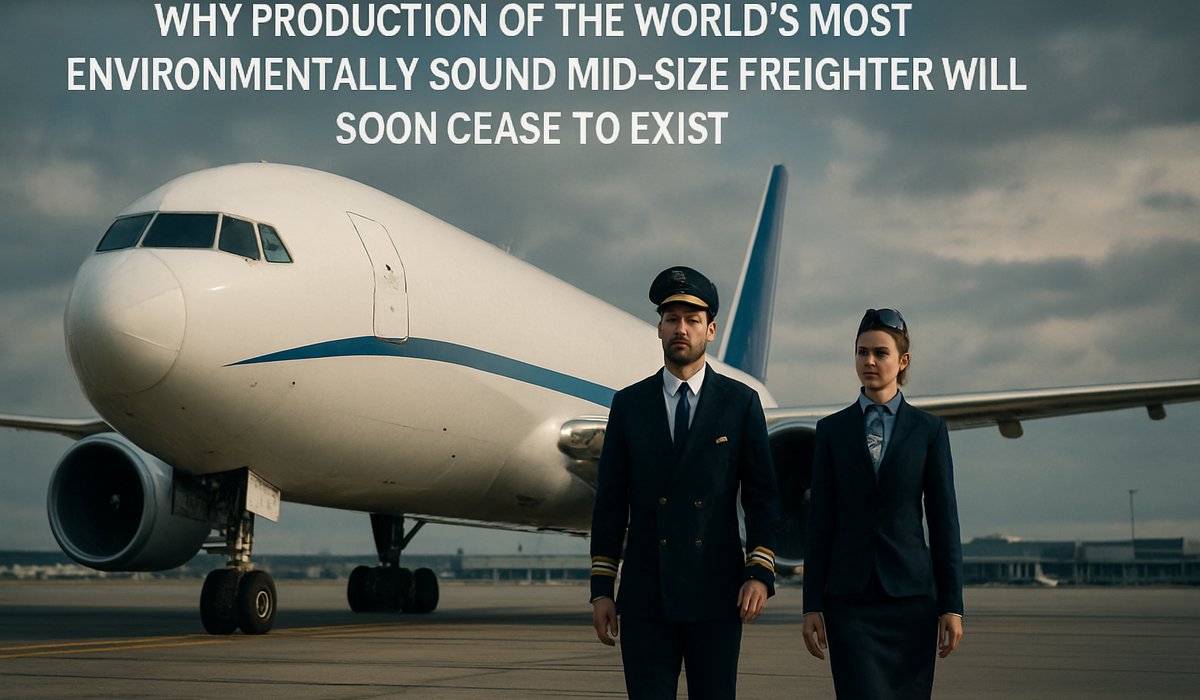
Image generated by AI
Boeing 767 Freighter Production Winds Down: Aviation Industry Loses Its Most Efficient Mid-Size Cargo Workhorse
The end of an era for air freight as the aviation sector's most balanced cargo aircraft exits production, leaving a critical gap in the global supply chain
A Three-Decade Run Comes to an End
The aviation industry is bracing for a significant operational shift as Boeing prepares to cease production of the 767-300F freighter, marking the end of nearly 30 years of service for what has become the backbone of mid-range air cargo operations worldwide. The aircraft's retirement from manufacturing represents more than a routine production halt—it signals a looming capacity crunch for express logistics networks, e-commerce fulfillment, and time-sensitive medical shipment operations that have grown accustomed to the aircraft's unique operational efficiency.
The 767-300F has occupied a distinctive niche in aviation's cargo sector, filling a critical market gap that neither smaller regional freighters nor oversized widebody jets can adequately address. Its combination of payload capacity and fuel efficiency has made it the preferred choice for logistics operators moving pharmaceutical supplies, express parcels, automotive components, and emergency relief shipments across continents and oceans.
Why the 767-300F Became Indispensable
Unlike its larger competitors—the Airbus A330-200F and Boeing 777F—the 767-300F can operate profitably on routes with moderate cargo volumes, making it ideal for secondary markets and developing economies. This versatility has cemented its status as the aviation industry's most pragmatic mid-size freighter solution, generating steady demand from cargo specialists like FedEx, UPS, and regional operators.
The aircraft's environmental credentials further distinguish it from older converted passenger jets that continue operating in the cargo fleet. Modern fuel efficiency standards mean fewer emissions per ton-kilometer than legacy freighters, addressing growing sustainability pressures across global supply chains.
The Capacity Crisis Ahead
The end of 767-300F production arrives at a precarious moment for air cargo operators. Demand for rapid freight services has intensified due to e-commerce expansion, supply chain diversification away from Asia, and geopolitical factors forcing air shipments previously moved by sea. Meanwhile, aging freighter fleets—including older 757s and 747-400Fs—continue aging without adequate replacement aircraft in the affordable mid-size category.
This manufacturing void threatens to create bottlenecks across time-sensitive logistics networks, potentially driving up aviation fuel surcharges and baggage fees as carriers compete for limited aircraft capacity. Analysts warn that the gap between the 767's exit and potential next-generation mid-size freighters could span years, disadvantaging smaller operators and regional markets.
Industry Implications
The broader aviation industry now faces mounting pressure to accelerate development of modern mid-size freighters that can combine the 767's operational economics with improved environmental performance. Until such alternatives emerge, logistics companies may resort to less efficient aircraft or maritime alternatives, fundamentally reshaping global supply chain architecture.
FAQ: Air Freight, Aircraft Production, and Aviation Industry Impact
What is the Boeing 767-300F and why does its production matter? The 767-300F is a dedicated cargo aircraft that has dominated mid-range freight operations for nearly 30 years. Its balanced combination of cargo capacity and fuel efficiency made it ideal for routes too large for small freighters but too small for massive widebody aircraft.
How will airline baggage fees and shipping costs be affected? With fewer mid-size freighters available, cargo operators will compete intensely for limited aircraft capacity, potentially increasing jet fuel surcharges on express shipments and potentially raising baggage fees for passenger airlines as cargo demand compresses available capacity.
What aircraft will replace the 767-300F? Currently, no direct replacement exists in the mid-size category. The A330-200F and 777F serve larger markets, while regional operators lack purpose-built alternatives, creating a significant capacity gap.
How does this impact global supply chains and e-commerce? The production halt threatens efficiency across express logistics, e-commerce fulfillment, and medical supply chains, potentially extending delivery times and increasing operational costs for time-sensitive shipments.
Are environmental concerns driving the 767's retirement? The 767-300F was actually one of aviation's most environmentally efficient mid-size freighters. Production ceased due to declining new orders and Boeing's shift toward next-generation aircraft programs, not environmental regulations.
Related Travel Guides
External Resources
Disclaimer
This article is for informational and educational purposes only. It does not constitute legal, financial, or professional advice. While we strive to provide accurate and up-to-date information, travel policies, regulations, and conditions change rapidly. Always verify information with official sources before making travel decisions. Nomad Lawyer makes no representations about the accuracy, reliability, completeness, or suitability of the information provided. Readers should consult qualified professionals for advice specific to their circumstances. The views expressed in this article are those of the author and do not necessarily reflect the views of Nomad Lawyer.
Preeti Gunjan
Contributor & Community Manager
A passionate traveller and community builder. Preeti helps grow the Nomad Lawyer community, fostering engagement and bringing the reader experience to life.
Learn more about our team →