
Etihad Airways Sidesteps Boeing 777X Crisis While Gulf Rivals Face Years of Delivery Delays
Breaking airline news and aviation industry updates for 2026.

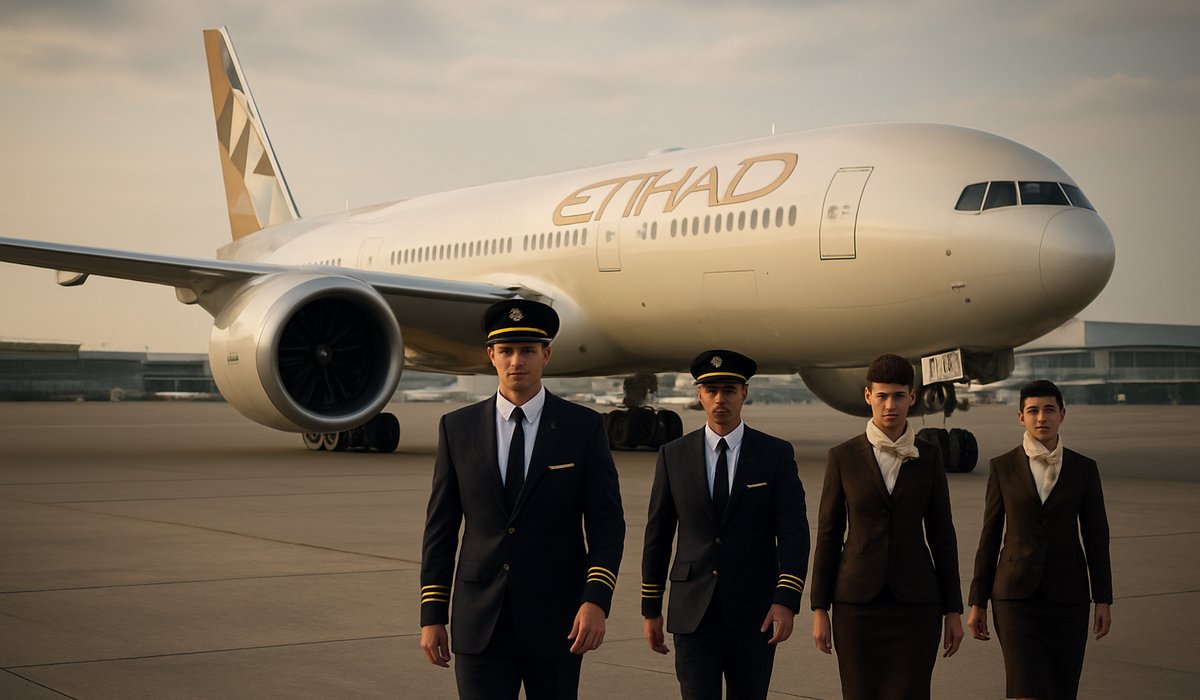
Image generated by AI
Etihad Airways Sidesteps Boeing 777X Crisis While Gulf Rivals Face Years of Delivery Delays
As manufacturing disruptions plague Boeing's commercial division, Abu Dhabi's flagship carrier emerges as the region's most insulated operator
Boeing's Production Turmoil Creates Divergent Strategies Across Gulf Aviation
The cascading manufacturing complications at Boeing's facilities have triggered widespread concern throughout the Middle Eastern aviation sector, yet Etihad Airways stands conspicuously isolated from the turmoil affecting its regional competitors. While other major carriers operating from Gulf hubs have committed to substantial orders for the delayed 777X widebody aircraft, the Abu Dhabi-based airline has adopted a fundamentally different expansion philosophy—one that shields its long-term capacity planning from the manufacturer's ongoing execution challenges.
This strategic divergence underscores a broader lesson emerging from Boeing's persistent production setbacks: carriers that maintain disciplined fleet acquisition practices weather industrial shocks more effectively than those dependent on aggressive, speculative ordering patterns.
Hedging Against Manufacturer Risk: Etihad's Conservative Approach
Etihad Airways has deliberately avoided the trap of committing to outsized aircraft orders dependent on Boeing's ability to meet aggressive delivery schedules. Rather than gambling on optimistic manufacturer timelines, the carrier has charted a more measured growth trajectory aligned with its operational capacity and realistic equipment availability.
This measured stance stands in stark contrast to neighboring network operators, whose order books reflect decades-long dependencies on 777X deliveries now slipping by multiple years. These delays directly impact fleet renewal initiatives, capacity expansion plans, and ultimately, the carriers' competitive positioning in an increasingly fragmented global aviation market.
Industry-Wide Implications for Gulf Carriers and Jet Fuel Economics
The 777X delays arrive amid an already complicated operating environment. Volatile jet fuel prices—a persistent headwind since the Ukraine conflict and geopolitical tensions—have compressed airline margins across the region. Carriers unable to deploy new, fuel-efficient aircraft on schedule face extended periods of operating aging, thirsty fleets, further eroding profitability during an economically uncertain period.
Etihad's conservative fleet strategy inadvertently positions the airline to weather this dual pressure: manageable capital expenditure obligations and operational flexibility to respond to changing market conditions without being shackled to delayed aircraft deliveries.
Market Positioning and Competitive Advantage
As a carrier focused on steady, sustainable growth rather than breakneck capacity additions, Etihad has defined its own trajectory independent of Boeing's manufacturing calendar. This disciplined approach may ultimately prove advantageous as the aviation industry consolidates and recalibrates post-pandemic.
Regional competitors facing multi-year delivery delays will simultaneously grapple with aging fleets, elevated operational costs, and capacity constraints—dynamics that could reshape competitive dynamics across Middle Eastern aviation hubs.
FAQ: Boeing 777X Delays and Gulf Aviation
How are Boeing's manufacturing delays affecting Middle Eastern airlines? Production disruptions have delayed 777X deliveries by multiple years, forcing carriers with large orders to extend operations of older, less efficient aircraft while managing elevated jet fuel costs.
Why is Etihad Airways less vulnerable to Boeing's delays than competitors? Etihad has avoided massive speculative aircraft orders and maintains a more conservative fleet expansion strategy, reducing dependency on Boeing's delivery timeline.
What is the connection between aircraft delivery delays and airline fees? Delayed modern aircraft force carriers to operate aging fleets longer, increasing fuel costs and operational expenses—expenses often passed to passengers through baggage charges and ancillary fees.
How do jet fuel prices compound the Boeing 777X problem? Volatile fuel markets mean airlines operating older, less-efficient aircraft face compounded cost pressures, as they cannot access the 777X's superior fuel efficiency.
Which Gulf carriers face the greatest exposure to 777X delays? Competitors maintaining larger 777X order commitments face the most significant capacity planning disruptions and extended reliance on aging widebody fleets.
Related Travel Guides
External Resources
Disclaimer
This article is for informational and educational purposes only. It does not constitute legal, financial, or professional advice. While we strive to provide accurate and up-to-date information, travel policies, regulations, and conditions change rapidly. Always verify information with official sources before making travel decisions. Nomad Lawyer makes no representations about the accuracy, reliability, completeness, or suitability of the information provided. Readers should consult qualified professionals for advice specific to their circumstances. The views expressed in this article are those of the author and do not necessarily reflect the views of Nomad Lawyer.
Kunal K Choudhary
Co-Founder & Contributor
A passionate traveller and tech enthusiast. Kunal contributes to the vision and growth of Nomad Lawyer, bringing fresh perspectives and driving the community forward.
Learn more about our team →