
Why Modern Pilots Still Learn on Aging Aircraft: Aviation's Strategic Defense Against Over-Automation
Breaking airline news and aviation industry updates for 2026.

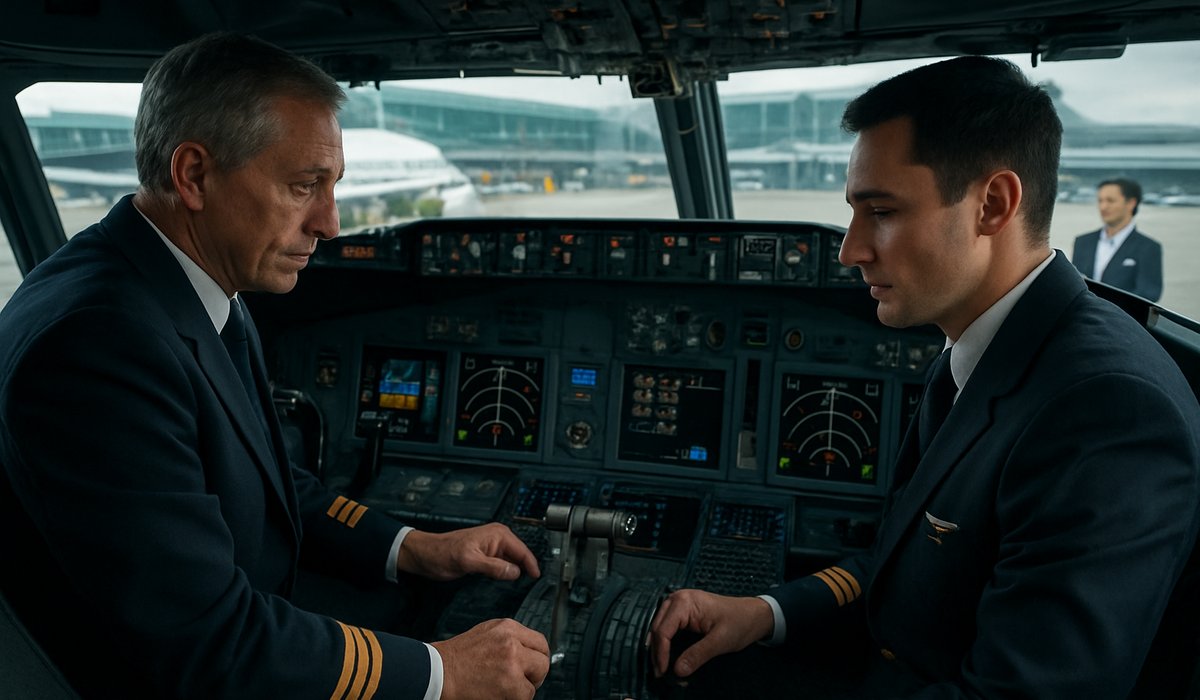
Image generated by AI
Why Modern Pilots Still Learn on Aging Aircraft: Aviation's Strategic Defense Against Over-Automation
The aviation industry maintains a deliberate training paradox—equipping new pilots with vintage aircraft systems to combat dangerous skill erosion in an era of advanced cockpit automation
The Automation Paradox Reshaping Pilot Training
Contemporary commercial aircraft operate with sophisticated fly-by-wire systems and 4K digital displays that manage virtually every dimension of flight operations. Yet aspiring aviators entering the profession face a striking reality: they must master their craft on aircraft whose technology often predates their birth. This apparent contradiction reflects an industry-wide reckoning with a far more consequential threat than outdated machinery—the erosion of fundamental piloting competencies.
The aviation sector has come to recognize that training exclusively on state-of-the-art automated systems poses a genuine safety risk. When pilots depend entirely on digital systems and autopilot capabilities, they gradually lose the manual flying proficiency, situational awareness, and mechanical troubleshooting skills that separate competent aviators from those vulnerable to catastrophic failure when automation malfunctions.
The Hidden Cost of Digital Dependency
Aviation authorities and training organizations increasingly emphasize that exposure to older, mechanically-dependent aircraft systems during foundational training creates essential muscle memory and decision-making frameworks. Pilots trained exclusively on modern glass cockpits may struggle fundamentally when required to hand-fly an aircraft, interpret analog instruments, or respond to system failures that demand deep technical understanding rather than button-pressing.
This concern has proven prescient. Several high-profile aviation incidents have been attributed, at least partially, to pilot disorientation when automation failed or behaved unexpectedly—situations demanding manual intervention skills that newer pilots hadn't adequately developed.
Industry Standards and Safety Protocols
Flight schools worldwide have intentionally preserved training programs using regional turboprops, smaller jet aircraft, and traditional steam-gauge instrument panels. Major aviation authorities, including the FAA and EASA, have incorporated mandatory hand-flying requirements and manual systems training into certification curricula precisely to counterbalance the automation-dependent environment commercial pilots will ultimately inhabit.
Organizations recognize that this pedagogical strategy, though resource-intensive and operationally complex, provides the most reliable safeguard against degraded manual flying skills entering the commercial fleet.
Looking Forward: Balancing Innovation and Fundamentals
As aircraft become increasingly autonomous, the paradox deepens. The industry faces mounting pressure to evolve training methods while maintaining rigorous standards. Some operators now employ sophisticated flight simulators replicating older systems, offering a middle ground between authentic mechanical experience and modern efficiency—though aviation experts debate whether simulation fully replicates the cognitive demands of actual hands-on flying.
The message remains clear: in aviation, where safety tolerates no compromise, the past remains an indispensable teacher for future aviators.
FAQ: Pilot Training and Aviation Safety
Why don't pilots train exclusively on modern aircraft with advanced automation? Training solely on automated systems risks developing dangerous dependencies. When automation fails—a genuine operational possibility—pilots lacking manual flying skills face critical vulnerabilities that can compromise flight safety.
What specific skills are lost through over-reliance on automation? Manual aircraft control, hand-flying proficiency, interpretation of mechanical instruments, and troubleshooting complex system failures are the primary competencies that atrophy without regular, hands-on practice during formative training.
How do flight simulators compare to training on actual older aircraft? While simulators offer efficiency and cost benefits, aviation experts debate whether virtual environments fully replicate the tactile, spatial, and decision-making demands of actual aircraft operation, particularly during high-stress scenarios.
Are there regulatory requirements mandating traditional training methods? Yes. The FAA, EASA, and other aviation authorities mandate specific hand-flying requirements and manual systems training as part of pilot certification curricula worldwide.
Could improved aircraft automation eventually eliminate the need for this traditional training? Unlikely. Safety standards across aviation emphasize maintaining human competency as a critical backup system, making traditional training an enduring industry requirement regardless of technological advancement.
Related Travel Guides
Flight Delay Compensation Guide 2026
Understanding Airline Route Changes
Airport Security Process Updated (2026)
External Resources
Disclaimer
This article is for informational and educational purposes only. It does not constitute legal, financial, or professional advice. While we strive to provide accurate and up-to-date information, travel policies, regulations, and conditions change rapidly. Always verify information with official sources before making travel decisions. Nomad Lawyer makes no representations about the accuracy, reliability, completeness, or suitability of the information provided. Readers should consult qualified professionals for advice specific to their circumstances. The views expressed in this article are those of the author and do not necessarily reflect the views of Nomad Lawyer.
Kunal K Choudhary
Co-Founder & Contributor
A passionate traveller and tech enthusiast. Kunal contributes to the vision and growth of Nomad Lawyer, bringing fresh perspectives and driving the community forward.
Learn more about our team →