
Airbus Redesigns A321XLR Cabin Architecture to Maximize Long-Range Efficiency and Passenger Comfort
Breaking airline news and aviation industry updates for 2026.

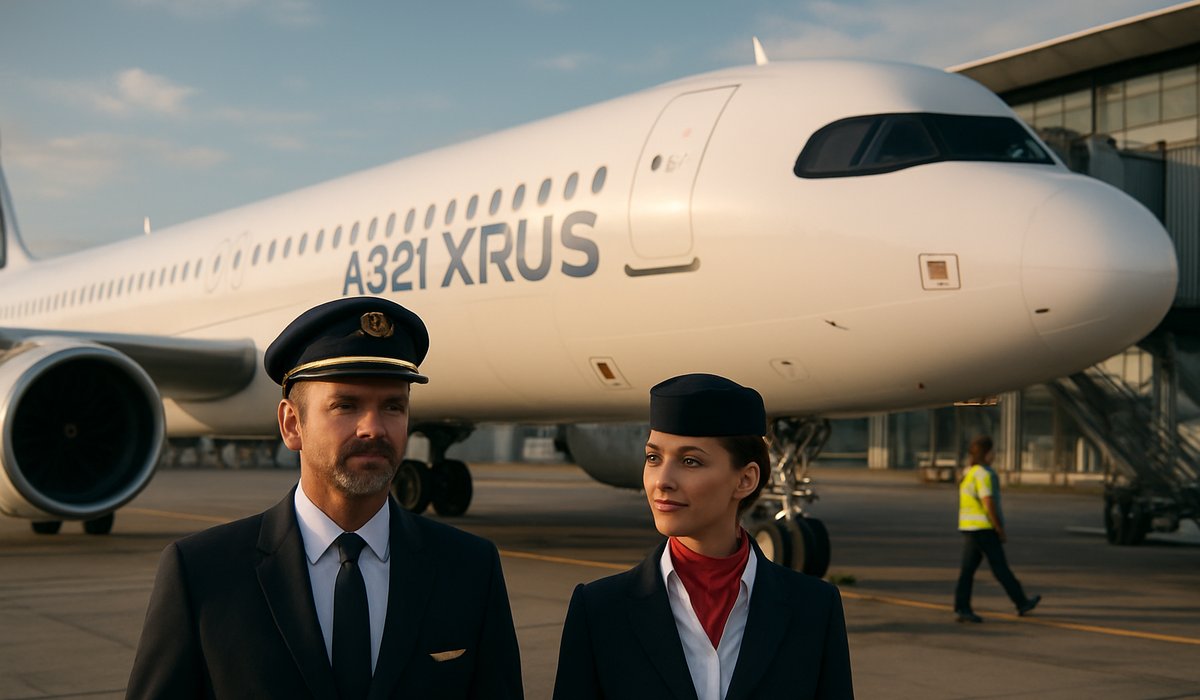
Image generated by AI
Airbus Redesigns A321XLR Cabin Architecture to Maximize Long-Range Efficiency and Passenger Comfort
The aircraft manufacturer leverages its flagship Airspace cabin concept to transform narrow-body long-haul operations
A Strategic Move in Narrow-Body Aircraft Design
Airbus has integrated its proprietary Airspace cabin architecture into the A321XLR, marking a significant departure from conventional narrow-body aircraft design standards. The decision reflects the European manufacturer's broader strategy to redefine passenger expectations on ultra-long-range regional routes while maximizing operational efficiency for carriers navigating volatile fuel costs and competitive pricing pressures.
The Airspace Cabin Revolution
Introduced in 2016, Airbus's Airspace cabin concept has become the manufacturer's cornerstone innovation for modern fleet modernization. Originally debuted on wide-body variants including the A330neo and A350, the system subsequently expanded across the A320neo family—the world's most popular commercial aircraft platform. The cabin framework centers on four fundamental design principles: enhanced passenger comfort, expanded in-flight services, optimized ambience, and contemporary aesthetics.
The architectural approach delivers tangible improvements over legacy cabin configurations, including expanded legroom, increased overhead bin capacity for carry-on baggage, modernized lavatory facilities, and integrated LED lighting systems that reduce fatigue on extended flights. These elements address growing consumer frustration with cramped seating and baggage fee structures that have become flashpoints in global aviation cost debates.
Why the A321XLR Demanded New Cabin Architecture
The A321XLR—Airbus's extended-range, narrow-body variant capable of transatlantic operations—required purposeful cabin reimagining to justify its positioning in an increasingly competitive market. The aircraft's expanded fuel capacity and range capabilities positioned it as a disruptive force against traditional wide-body dominance on thin long-haul routes. However, passenger expectations on 14+ hour journeys demand cabin standards previously reserved for premium aircraft.
By implementing Airspace architecture, Airbus created a compelling value proposition: airlines could deploy narrow-body economics with wide-body passenger amenities. This hybrid approach becomes particularly advantageous as carriers confront elevated jet fuel prices stemming from geopolitical tensions and energy supply constraints—factors that have persistently pressured airline profitability since 2022.
Industry-Wide Implications
The A321XLR's cabin innovation reflects broader aviation industry trends toward fleet efficiency and premium experience democratization. As baggage charges and ancillary fees continue fragmenting passenger satisfaction metrics, cabin design emerges as a critical competitive differentiator. Airlines operating the A321XLR can potentially justify premium pricing while reducing per-seat operating costs—a compelling calculus in markets recovering from pandemic-related demand volatility.
Frequently Asked Questions
What is Airspace cabin technology? Airspace is Airbus's proprietary cabin design platform launched in 2016, featuring enhanced comfort, expanded storage, LED ambient lighting, and modernized lavatories across commercial aircraft fleets.
How does the A321XLR differ from standard narrow-body aircraft? The A321XLR combines narrow-body economics with extended-range capabilities (up to transatlantic distances) and wide-body cabin amenities through Airspace integration, enabling airlines to operate profitable long-haul routes with lower per-seat costs.
Why does cabin design matter for airlines facing high jet fuel prices? Enhanced cabin architecture justifies premium ticket pricing, offsetting elevated fuel costs and operational expenses while improving passenger satisfaction metrics that drive repeat bookings.
Which aircraft currently feature Airspace cabin design? Airspace debuted on the A330neo and A350, subsequently rolled out across A320neo family variants, and is now integrated into the long-range A321XLR configuration.
What competitive advantage does A321XLR cabin design provide? The combination of modern amenities, expanded storage reducing baggage fees, and operational efficiency enables airlines to undercut wide-body operators on long-haul routes while maintaining premium service standards.
Related Travel Guides
Flight Delay Compensation Guide 2026
Understanding Airline Route Changes
Airport Security Process Updated (2026)
External Resources
Disclaimer
This article is for informational and educational purposes only. It does not constitute legal, financial, or professional advice. While we strive to provide accurate and up-to-date information, travel policies, regulations, and conditions change rapidly. Always verify information with official sources before making travel decisions. Nomad Lawyer makes no representations about the accuracy, reliability, completeness, or suitability of the information provided. Readers should consult qualified professionals for advice specific to their circumstances. The views expressed in this article are those of the author and do not necessarily reflect the views of Nomad Lawyer.
Kunal K Choudhary
Co-Founder & Contributor
A passionate traveller and tech enthusiast. Kunal contributes to the vision and growth of Nomad Lawyer, bringing fresh perspectives and driving the community forward.
Learn more about our team →