
Delta Air Lines Eliminates Complimentary Drinks and Snacks on Short-Haul Flights—What It Means for Cabin Crew
Breaking airline news and aviation industry updates for 2026.

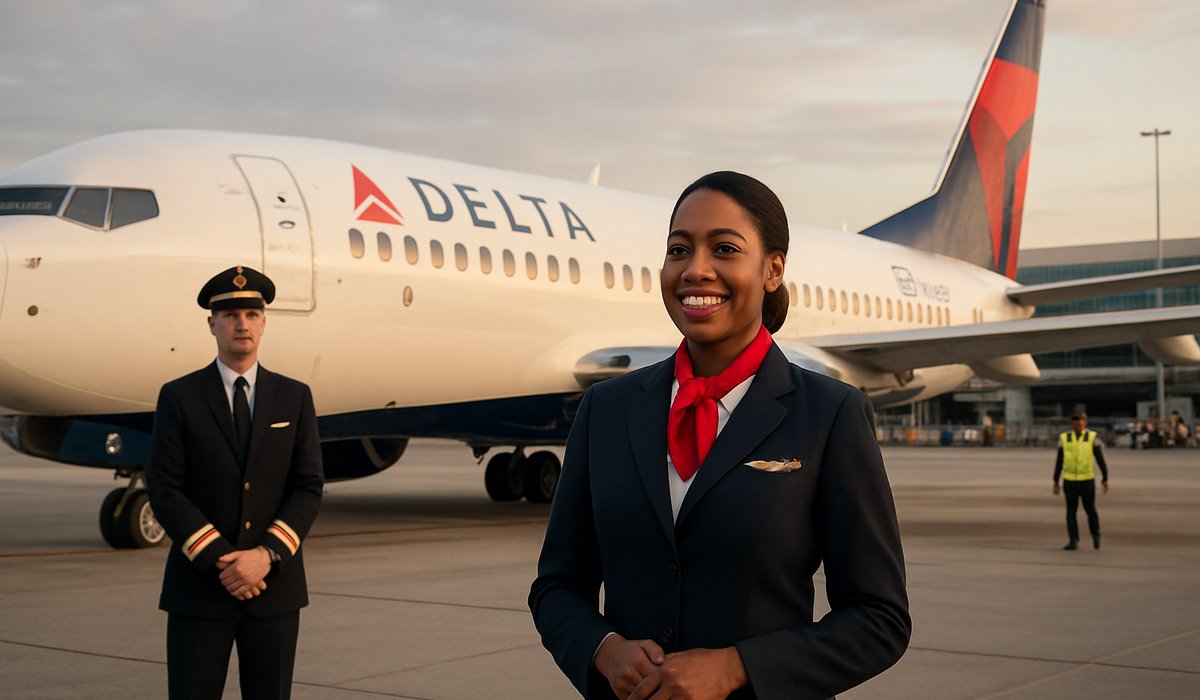
Image generated by AI
Delta Air Lines Eliminates Complimentary Drinks and Snacks on Short-Haul Flights—What It Means for Cabin Crew
Cost-cutting measure on 450 daily flights signals broader industry shift toward operational efficiency and crew workload reduction
Cost-Cutting Measures Reshape Short-Haul Service
Delta Air Lines has moved to streamline in-flight service operations by eliminating complimentary beverage and snack offerings on regional flights spanning under 349 miles, the carrier announced in early May. The decision impacts approximately 450 daily flights—representing roughly 9% of Delta's overall schedule—affecting passengers traveling in Main Cabin and Delta Comfort seating configurations on routes such as Los Angeles to San Francisco.
The elimination of service on these shorter routes represents a strategic pivot toward operational cost management, a critical concern as the aviation industry navigates persistent fuel price volatility and post-pandemic capacity challenges. However, Delta has maintained full catering and beverage service in premium cabins, with First Class passengers continuing to receive unrestricted in-flight amenities.
Flight Attendants Bear Lighter Workload
Contrary to initial assumptions that service cuts universally burden cabin crews, aviation analysts suggest this restructuring could meaningfully reduce operational strain on flight attendants. On flights typically lasting 60 to 90 minutes, the elimination of beverage cart service removes a significant physical and logistical burden from crew members, who previously managed rapid service cycles on congested aircraft.
"The removal of these service expectations allows crew to focus on safety protocols and passenger comfort without the pressure of delivering catering on abbreviated schedules," explains industry commentary on the strategic rationale. Flight attendants on affected routes can redirect their focus toward emergency preparedness, customer assistance, and managing passenger flow—tasks that contribute more substantially to overall flight safety and passenger satisfaction than abbreviated refreshment service.
Broader Industry Implications
Delta's decision reflects mounting pressure across the aviation sector to optimize costs amid challenging macroeconomic conditions. Jet fuel expenses continue fluctuating based on geopolitical tensions and global energy markets, forcing carriers to identify operational efficiencies without compromising service quality in revenue-generating premium segments.
Other major carriers have similarly explored service modifications on regional flights, though Delta's approach—maintaining full service differentiation between cabin classes—underscores the ongoing value placed on premium tier amenities as a revenue protection strategy.
The shift also aligns with passenger expectations; research indicates that while complimentary refreshments influence booking decisions for economy passengers, service speed and safety remain paramount on short-haul journeys where flight duration limits meaningful service delivery anyway.
FAQ: Understanding Airline Service Changes and Baggage Fees
Q: Which Delta flights are affected by the beverage and snack elimination? A: Routes under 349 miles in Delta Main and Delta Comfort cabins, affecting approximately 450 daily flights. First Class and premium cabin passengers retain full service.
Q: How do airline baggage charges and service cuts relate to rising travel costs? A: Both stem from carriers managing jet fuel price inflation and operational expenses. Airlines implement tiered pricing and service modifications to maintain profitability while protecting premium-tier offerings.
Q: Will this trend spread to other major carriers? A: Industry observers expect continued service optimization across short-haul networks as fuel costs and operational expenses remain elevated globally.
Q: How do these changes affect flight attendant compensation and working conditions? A: Reduced service requirements can lower physical demands and injury risk for crew members on brief flights, though compensation structures remain unchanged.
Q: What's the difference between basic economy and main cabin on Delta? A: Delta Comfort offers enhanced legroom and priority boarding; Main Cabin is standard economy. Both are now affected by service eliminations on short routes.
Related Travel Guides
External Resources
Disclaimer
This article is for informational and educational purposes only. It does not constitute legal, financial, or professional advice. While we strive to provide accurate and up-to-date information, travel policies, regulations, and conditions change rapidly. Always verify information with official sources before making travel decisions. Nomad Lawyer makes no representations about the accuracy, reliability, completeness, or suitability of the information provided. Readers should consult qualified professionals for advice specific to their circumstances. The views expressed in this article are those of the author and do not necessarily reflect the views of Nomad Lawyer.
Preeti Gunjan
Contributor & Community Manager
A passionate traveller and community builder. Preeti helps grow the Nomad Lawyer community, fostering engagement and bringing the reader experience to life.
Learn more about our team →