
Crossing the US-Canada Border Without a Passport: Guide to Waterton-Glacier International Peace Park 2026
Discover how to legally cross the international boundary between Montana and Alberta without a passport at the world's first International Peace Park, featuring essential rules for hikers and boaters.

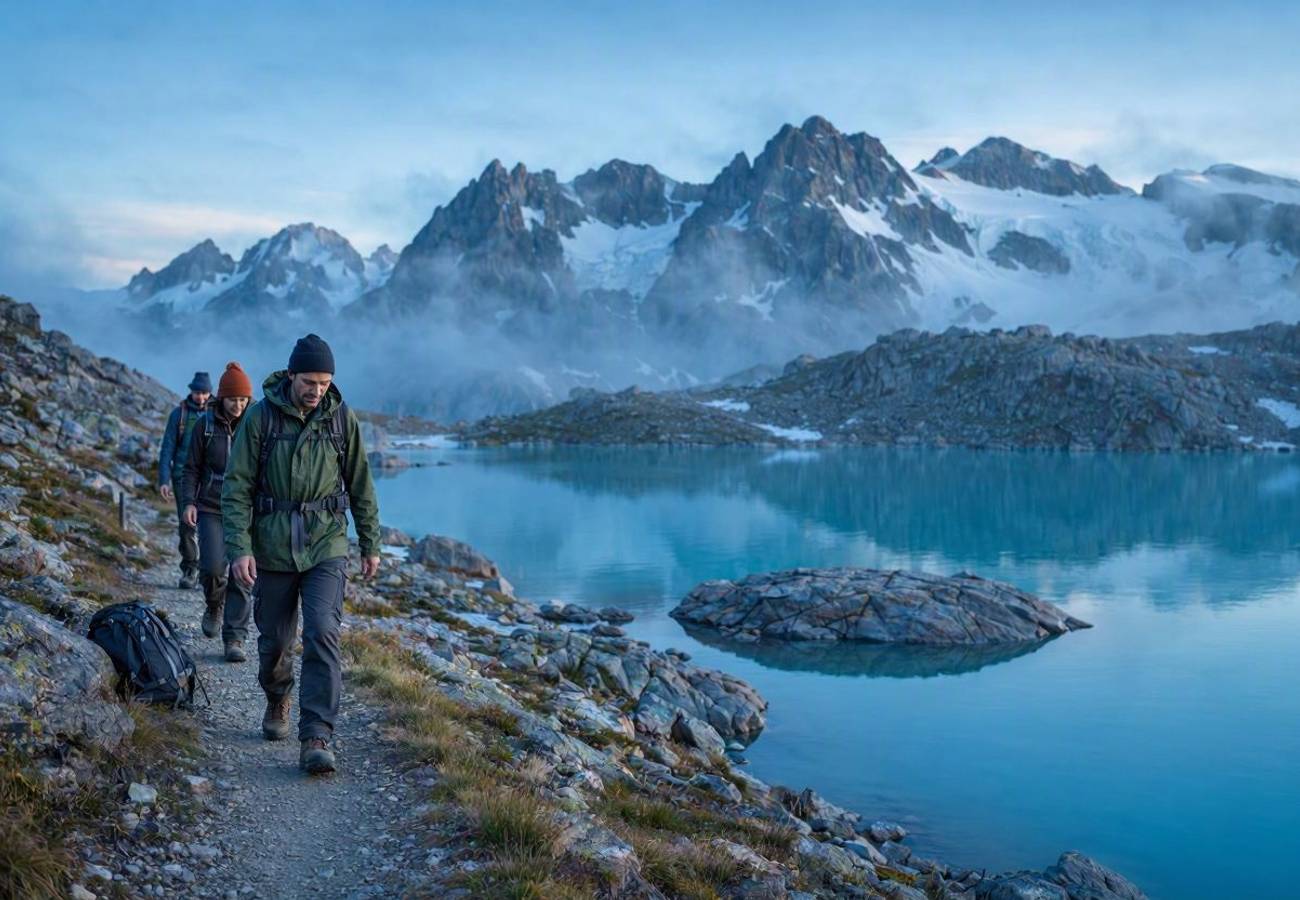
Image generated by AI
You can physically leave the United States and enter Canada—or vice versa—without ever presenting a passport, provided you stay within the specific wilderness boundaries of the Waterton-Glacier International Peace Park. In a world of biometric scanners and high-security checkpoints, this stretch of the 49th parallel replaces concrete booths with stone obelisks and glacial valleys.
The Philosophy of the First International Peace Park
Established in 1932, the Waterton-Glacier International Peace Park was not designed for customs efficiency or national security, but as a global symbol of goodwill. It represents a rare diplomatic agreement where the National Park Service (NPS) in the US and Parks Canada collaborate to manage a contiguous ecosystem.
While the map shows a hard line between Montana and Alberta, the geography tells a different story. The Rocky Mountains, turquoise lakes, and migratory corridors for grizzly bears and moose ignore political jurisdictions. This is a shared sanctuary where conservation takes precedence over control, allowing the landscape to remain an unbroken wilderness.
What Makes the Peace Park Crossing Different
Most international crossings are defined by infrastructure—interstate lanes, idling engines, and official uniforms. Here, the "border" is often just a subtle sign or a hiking trail. The experience is less about immigration and more about immersion in the "Crown of the Continent."
On the American side, Glacier National Park encompasses over one million acres of carved glaciers and jagged peaks. Across the line in Canada, Waterton Lakes National Park offers a complementary aesthetic of deep, reflective lakes and dramatic waterfalls tumbling from cliff faces. Because there are no boundary fences, wildlife migration remains uninhibited, ensuring that the biodiversity of the region stays healthy and connected.
Logistics of the Passport-Free Zone
The ability to cross without documents is not a free-for-all; it is a highly specific arrangement based on low-impact travel. The rules change depending on your mode of transport and your destination.
Border Crossing Requirements at a Glance
| Activity | Passport Required? | Reporting Method | Note |
|---|---|---|---|
| Non-landing scenic cruise | No | None | Must stay on the vessel |
| Hiking the border swath | No | None | Limited to designated zones |
| Visiting Goat Haunt Station | No | None | Short-term visits only |
| Deep backcountry hiking | Yes | CBP ROAM App / CBSA | For journeys beyond boundary zones |
| Entering town roads | Yes | Official Port of Entry | Standard customs required |
Visitor Insider Tips
To experience this border without the stress of a customs hall, you need to target specific entry points and time your visit to match seasonal staffing.
- The Goat Haunt Strategy: This is the most iconic spot for a foot crossing. Located at the head of Waterton Lakes, it is the only area where you can move between the two parks on foot.
- Timing the Ranger Station: If you need official assistance or reporting, the Goat Haunt border services operate seasonally from mid-June through early September, typically between 11:15 a.m. and 5:00 p.m. daily.
- The Lakeshore Approach: Most visitors start in Waterton Village (Canada). Take the Lakeshore Trail from the Bertha Trailhead; it is an 8.5-mile trek along Upper Waterton Lake leading directly to the Goat Haunt Ranger Station.
- Digital Reporting: If you plan to venture south beyond Goat Haunt into the deeper wilderness of Glacier, download the CBP ROAM App to report your entry digitally before you arrive.
- Local Etiquette: This is prime grizzly and black bear territory. Always carry bear spray, make noise while hiking, and never feed wildlife.
Cultural and Environmental Context
The existence of the Peace Park is a fragile victory of environmentalism over nationalism. By removing fences, the US and Canada acknowledge that the survival of species like the bighorn sheep and the wolverine depends on their ability to roam across the 49th parallel.
However, this openness creates a unique challenge for border agents who must balance security with the spirit of the park. The use of the ROAM app is a modern attempt to maintain the "invisible" nature of the border while still adhering to national laws. For the local communities in Montana and Alberta, the park is more than a tourist draw; it is a shared heritage site that proves cooperation is possible even in a climate of increasing border scrutiny.
FAQ: Visiting Waterton-Glacier 2026
Can I drive across the border without a passport here? No. The "no passport" rule applies only to specific wilderness activities like non-landing boat cruises or hiking within the Peace Park zones. All vehicle crossings must go through official ports of entry with full documentation.
How do I get to Goat Haunt? You can reach Goat Haunt by hiking 8.5 miles from Waterton Village via the Lakeshore Trail or by taking a boat shuttle across Upper Waterton Lake.
Is it safe for solo hikers? Yes, but only if you are experienced in backcountry safety. Due to the remote nature of the border swath and the presence of apex predators, solo hikers should always leave a trip plan with a ranger.
Do I need a visa for the "passport-free" areas? While you may not need to present a passport for a short hike or boat ride, you are still subject to the immigration laws of both countries. Ensure your legal status for entry into both the US and Canada is valid before visiting.
The mountains don't carry passports, and for a few miles in the Rockies, neither do we.
Related Travel Guides
Disclaimer
This article is for informational and educational purposes only. It does not constitute legal, financial, or professional advice. While we strive to provide accurate and up-to-date information, travel policies, regulations, and conditions change rapidly. Always verify information with official sources before making travel decisions. Nomad Lawyer makes no representations about the accuracy, reliability, completeness, or suitability of the information provided. Readers should consult qualified professionals for advice specific to their circumstances. The views expressed in this article are those of the author and do not necessarily reflect the views of Nomad Lawyer.
Naina Thakur
Contributor & Travel Specialist
Travel enthusiast and legal writer covering visa regulations, responsible tourism, and cultural journeys across global destinations.
Learn more about our team →