
Airlines' Premium Business Class Cabins Are Financial Tools, Not Luxury Statements
Breaking airline news and aviation industry updates for 2026.

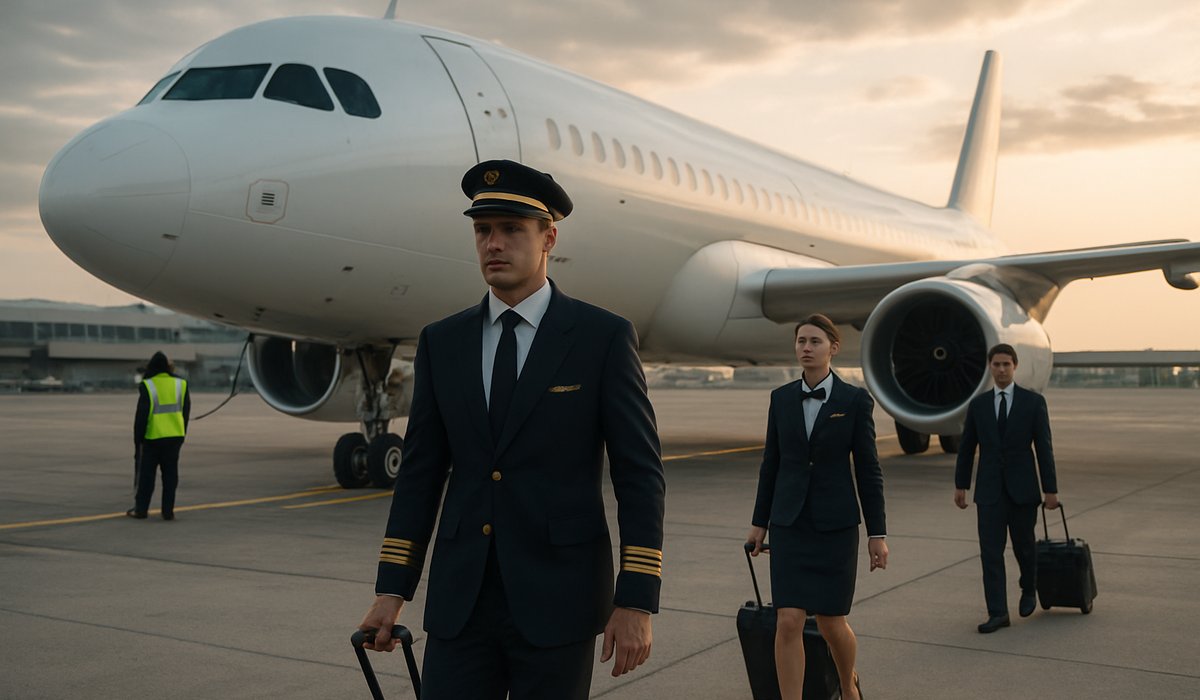
Image generated by AI
Airlines' Premium Business Class Cabins Are Financial Tools, Not Luxury Statements
As carriers struggle with fuel costs and economic pressures, ultra-premium seating has become a crucial revenue strategy disguised as hospitality innovation
The Hidden Economics Behind Premium Cabin Redesigns
Major international carriers are aggressively rolling out redesigned business class suites featuring amenities like high-thread-count linens, exclusive champagne selections, and premium privacy partitions. While airlines market these updates as lifestyle enhancements for discerning travelers, industry analysis reveals a more pragmatic underlying motivation: financial recovery.
The aviation sector faces mounting pressure from volatile jet fuel prices, labor cost inflation, and post-pandemic capacity constraints. Rather than competing on price—a race that erodes margins—carriers are strategically repositioning premium cabins as high-yield revenue generators capable of offsetting declining profits in economy segments.
Revenue-Per-Seat Strategy Replaces Volume Model
Traditional airline economics relied on filling aircraft with as many paying passengers as possible. Today's business model prioritizes revenue maximization per available seat. A single premium business class suite can command fares 8 to 12 times higher than economy tickets on the same route, making cabin redesigns a calculated financial decision disguised as luxury innovation.
Airlines justify premium cabin investments by highlighting operational efficiency gains. Modern suite designs often reduce overall cabin density while increasing per-unit profitability—a balancing act that appeases shareholders without substantially expanding fleet capacity. The sliding doors and translucent partitions? They're not merely aesthetic upgrades; they optimize space allocation and justify premium pricing through perceived exclusivity.
Offsetting Structural Industry Challenges
The airline industry continues navigating a challenging economic landscape. International fuel surcharges, crew scheduling complexities, and competitive pressure from low-cost carriers have compressed margins across all segments. Premium business class cabins represent a strategic counterweight—high-margin revenue streams that subsidize lower-yielding routes and capacity.
Several carriers have reported that business class revenue now accounts for 25-30% of total cabin revenue despite representing only 10-15% of available seats. This disproportionate contribution underscores how premium cabin redesigns function as financial instruments rather than pure hospitality investments.
The Broader Industry Implication
As airlines continue navigating economic headwinds, expect further premium cabin innovation. What travelers perceive as hospitality upgrades actually reflect carriers' pivot toward sophisticated yield management and premium-focused strategies. The champagne selection and luxury bedding remain genuine offerings, but they serve a primary purpose: balancing aviation economics in an increasingly unpredictable industry environment.
FAQ: Understanding Premium Airline Cabins and Aviation Economics
Q: Why do airlines keep raising business class prices if they want to fill seats? A: Modern carriers prioritize profit margin over passenger volume. One high-paying business traveler generates more revenue than five economy passengers, making premium pricing strategically sound despite reduced seat availability.
Q: How do jet fuel prices impact airline fee structures? A: Volatile fuel costs directly pressure airline margins, making high-yield premium cabins essential for financial stability. Airlines offset fuel surcharges through premium cabin pricing rather than across-the-board economy fare increases.
Q: Are business class cabin redesigns worth the investment for airlines? A: Yes—new premium suites typically achieve 15-20% revenue increases and improve airline profitability significantly. The amenities justify premium pricing psychology, making them financially justified.
Q: What's the connection between airline fees and premium cabin development? A: Both represent modern airline revenue optimization. As baggage charges and ancillary fees plateau, premium cabins offer higher-margin revenue opportunities with less passenger backlash.
Q: Will business class fares continue increasing? A: Likely yes, as airlines recognize premium cabins' financial resilience during economic uncertainty. Expect continued pricing increases coupled with incremental amenity enhancements.
Related Travel Guides
External Resources
Disclaimer
This article is for informational and educational purposes only. It does not constitute legal, financial, or professional advice. While we strive to provide accurate and up-to-date information, travel policies, regulations, and conditions change rapidly. Always verify information with official sources before making travel decisions. Nomad Lawyer makes no representations about the accuracy, reliability, completeness, or suitability of the information provided. Readers should consult qualified professionals for advice specific to their circumstances. The views expressed in this article are those of the author and do not necessarily reflect the views of Nomad Lawyer.
Raushan Kumar
Founder & Lead Developer
Full-stack developer with 11+ years of experience and a passionate traveller. Raushan built Nomad Lawyer from the ground up with a vision to create the best travel and law experience on the web.
Learn more about our team →