
Boeing's Quieter 737 MAX Engines Create Unexpected Design Challenge: Inside the "Shark Tooth" Controversy
Breaking airline news and aviation industry updates for 2026.

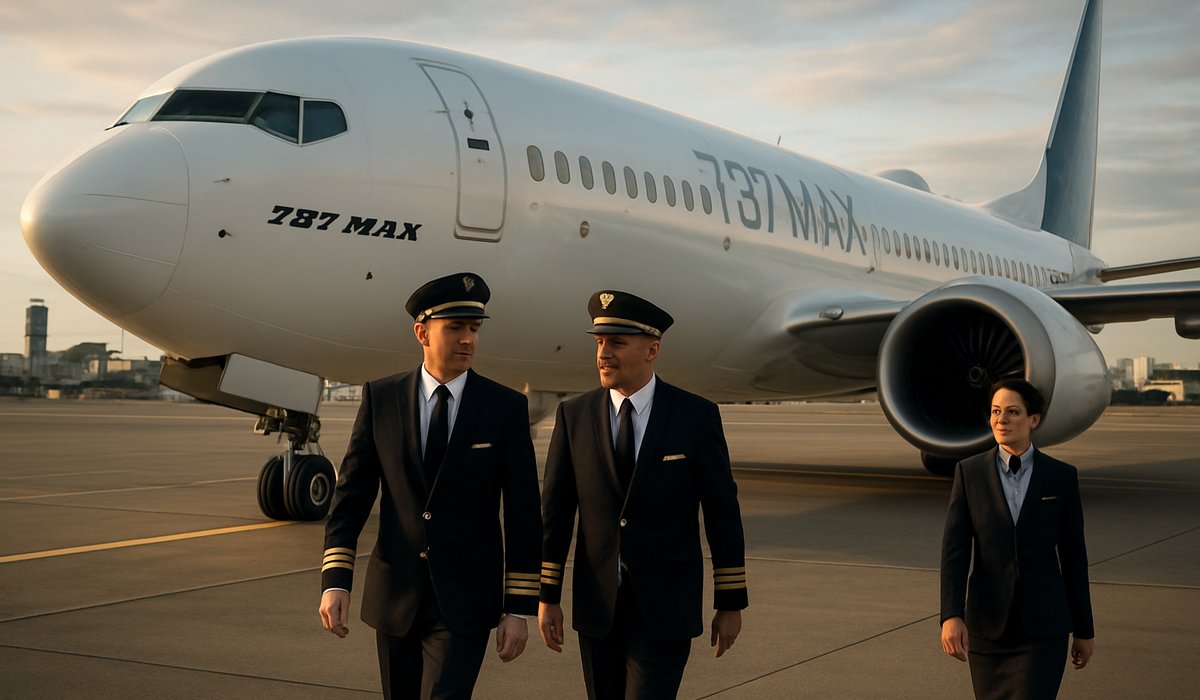
Image generated by AI
Boeing's Quieter 737 MAX Engines Create Unexpected Design Challenge: Inside the "Shark Tooth" Controversy
The aerospace giant's noise-reduction innovation sparks questions about aerodynamic trade-offs and manufacturing complexity
The Serrated Engine Mystery Taking Flight
Passengers boarding the latest Boeing 737 MAX aircraft operated by United Airlines, American Airlines, and Southwest Airlines have encountered an unusual sight: distinctive serrated edges protruding from the rear of the aircraft's engines, resembling shark teeth rather than traditional engine housings. This design modification represents one of the most visually striking differences between the revamped MAX platform and its predecessors, yet few travelers understand the engineering rationale—or the complications—driving this architectural shift.
Noise Reduction Meets Manufacturing Reality
The serrated engine design emerged from Boeing's ambitious effort to develop quieter turbofan engines for the 737 MAX, addressing mounting regulatory pressure and environmental concerns plaguing the commercial aviation sector. By incorporating these distinctive ridges, or chevrons, into the engine nacelle, manufacturers can disrupt airflow patterns and reduce noise emissions—a critical advantage as airports worldwide enforce increasingly stringent noise-abatement regulations.
However, this noise-reduction breakthrough has introduced unexpected engineering challenges. The serrated geometry complicates manufacturing processes, increases production timelines, and creates certification hurdles that the industry didn't initially anticipate. Airlines operating these aircraft have discovered that the unconventional design generates unforeseen maintenance considerations and potential aerodynamic effects that differ from conventional engine housings.
The Aviation Industry's Noise Problem
The aerospace sector faces mounting pressure to reduce operational noise pollution, particularly around congested metropolitan airports. Traditional turbofan engines produce significant noise during takeoff and landing phases, triggering community complaints and regulatory intervention. Boeing's chevron-equipped engines address this concern directly, but the trade-off between environmental benefits and manufacturing complexity has become increasingly apparent.
The modification also reflects broader industry trends toward sustainability compliance. With jet fuel prices remaining volatile and environmental regulations tightening globally, aircraft manufacturers are prioritizing noise-reduction technologies alongside fuel efficiency improvements—even when these innovations create production complications.
What's Next for Boeing and Operators?
United, American, and Southwest continue integrating the MAX fleet into regular service despite the design complexities. Boeing has maintained that long-term noise benefits justify the manufacturing challenges, though industry observers suggest the company underestimated integration difficulties during the initial development phase.
As the aviation sector emerges from pandemic recovery, questions persist about whether quieter engines will become industry standard—or whether manufacturers will revisit conventional designs to streamline production.
FAQ: Understanding Boeing's Serrated Engine Technology
Why do new Boeing 737 MAX engines have serrated edges? The chevron design reduces aerodynamic noise by disrupting airflow patterns, helping aircraft comply with increasingly strict airport noise regulations worldwide.
What airlines currently operate the serrated-engine 737 MAX? United Airlines, American Airlines, and Southwest Airlines feature these modified engines in their latest 737 MAX deliveries.
Does the serrated design affect jet fuel efficiency? Current data suggests minimal fuel consumption impact, though aerodynamic effects remain under industry evaluation.
Will all future commercial aircraft adopt this engine design? The manufacturing complexity and unexpected challenges have created hesitation among other manufacturers, making universal adoption unlikely in the near term.
How do these engines impact airline operational costs? Increased production complexity may elevate acquisition prices, though noise compliance benefits could offset regulatory penalties at congested airports.
Related Travel Guides
Disclaimer
This article is for informational and educational purposes only. It does not constitute legal, financial, or professional advice. While we strive to provide accurate and up-to-date information, travel policies, regulations, and conditions change rapidly. Always verify information with official sources before making travel decisions. Nomad Lawyer makes no representations about the accuracy, reliability, completeness, or suitability of the information provided. Readers should consult qualified professionals for advice specific to their circumstances. The views expressed in this article are those of the author and do not necessarily reflect the views of Nomad Lawyer.
Raushan Kumar
Founder & Lead Developer
Full-stack developer with 11+ years of experience and a passionate traveller. Raushan built Nomad Lawyer from the ground up with a vision to create the best travel and law experience on the web.
Learn more about our team →