
Airbus Delays Next-Generation Aircraft Program Until 2031, Signaling Industry Shift in Aviation Manufacturing
Breaking airline news and aviation industry updates for 2026.

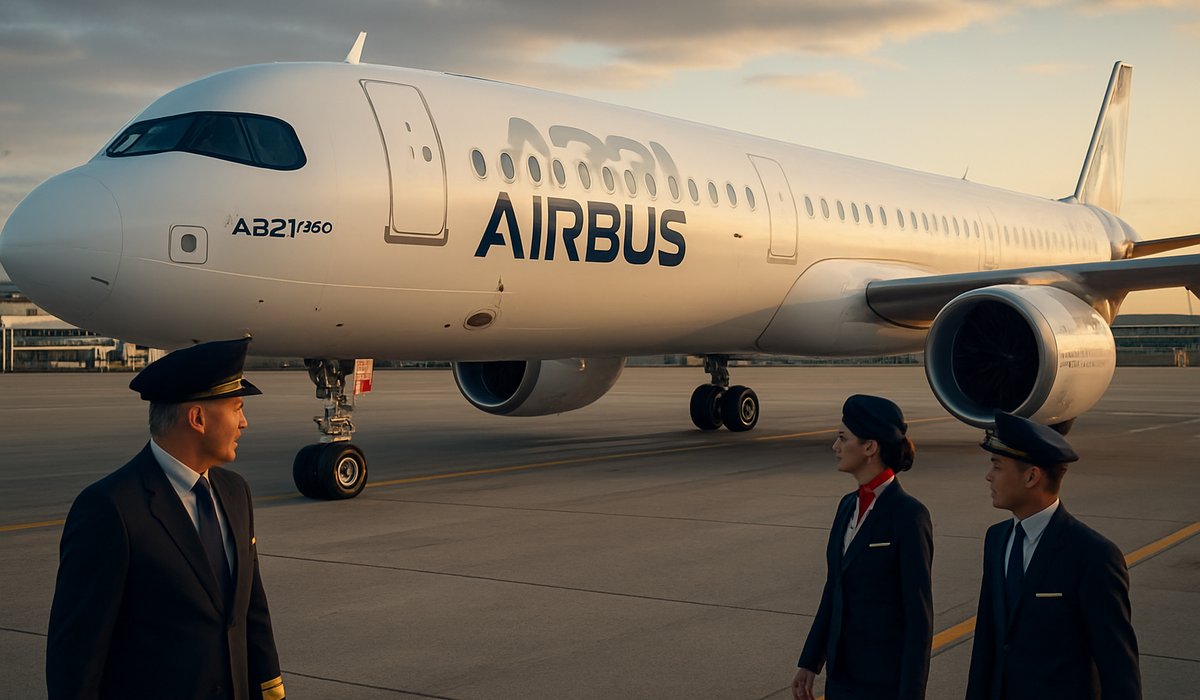
Image generated by AI
Airbus Delays Next-Generation Aircraft Program Until 2031, Signaling Industry Shift in Aviation Manufacturing
European planemaker pushes back timeline for successor to bestselling A320 family amid production pressures and economic uncertainty
Major Aircraft Delay Reshapes Commercial Aviation Timeline
Airbus has quietly postponed the launch of its next all-new commercial aircraft until at least 2031, marking a significant recalibration of the European manufacturer's long-term product roadmap. The decision reflects mounting pressures within the global aviation manufacturing sector, where supply chain disruptions, production backlogs, and economic headwinds have forced both major planemakers to reassess their development priorities.
The delay pushes back expectations for a successor to Airbus's iconic A320 family—the world's most widely-operated commercial jet fleet—and signals that the industry faces a prolonged transition period before fundamentally new aircraft designs reach airlines. This extended timeline carries profound implications for carriers worldwide, from legacy network operators to budget carriers managing fleet modernization schedules.
Boeing and Airbus Navigate Competing Pressures
While Airbus consolidates its focus on maximizing output of existing narrow-body and wide-body platforms, competitor Boeing has simultaneously hinted at investigating a potential 737 MAX successor. Both manufacturers find themselves caught between contradictory imperatives: delivering unprecedented aircraft volumes to carriers with massive order backlogs while simultaneously investing in next-generation technologies for markets that remain years away.
Industry analysts attribute the postponement to several converging factors. Production facilities across both manufacturers remain strained by record order books accumulated during the post-pandemic recovery phase. Additionally, the aviation sector continues wrestling with volatile jet fuel prices, labor shortages affecting manufacturing capacity, and the significant capital requirements necessary for developing clean-sheet aircraft architectures.
Industry-Wide Implications for Fleet Modernization
The decision carries ripple effects throughout commercial aviation. Airlines operating aging A320-family aircraft—representing roughly half of all commercial jets globally—must now extend fleet refresh cycles or commit to purchasing newer variants of existing designs rather than awaiting revolutionary technology breakthroughs.
For the broader aviation ecosystem, the extended development timeline means carriers cannot rely on fundamentally more fuel-efficient or environmentally advanced aircraft entering service for nearly a decade. This creates urgent pressure on the industry to pursue interim sustainability solutions, from sustainable aviation fuel adoption to operational efficiency improvements.
Regional airlines and emerging markets particularly face constraints, as the lack of new aircraft alternatives may sustain higher jet fuel surcharges and baggage charges—expenses that carriers typically pass directly to passengers seeking budget-friendly fares.
What This Means Going Forward
Airbus's recalibration underscores that despite manufacturing's critical role in aviation's evolution, near-term operational realities now supersede product development ambitions. The decision reflects industry maturity: rather than chasing technological leaps, both manufacturers prioritize serving existing demand reliably.
FAQ: What You Need to Know About Aircraft Development Delays
Q: When will Airbus introduce a new aircraft to replace the A320 family? A: Airbus has not committed to a formal launch date, but 2031 represents the earliest realistic timeline for introducing an entirely new aircraft design to replace the A320 family.
Q: How does this affect airline ticket prices and baggage fees? A: With older aircraft remaining in service longer, airlines may maintain higher operational costs, potentially sustaining or increasing baggage charges and fuel surcharges passed to passengers.
Q: Is Boeing also delaying new aircraft development? A: Boeing continues studying a 737 MAX successor but has not announced formal development timelines, facing similar manufacturing and supply chain constraints as Airbus.
Q: What impact does this have on jet fuel prices and aviation costs? A: Delayed access to more fuel-efficient aircraft means airlines cannot quickly reduce exposure to volatile jet fuel markets, potentially keeping operating costs elevated.
Q: How will this affect the aviation industry's sustainability goals? A: The extended timeline for new aircraft pressures the industry to accelerate adoption of sustainable aviation fuels and operational efficiency measures as interim solutions for reducing emissions.
Related Travel Guides
-
Airbus A340's Underpowered Legacy: Separating Engineering Fact From Aviation Myth
-
Airlines indigo fuel surcharges double amid Iran tensions in 2026
External Resources
Disclaimer
This article is for informational and educational purposes only. It does not constitute legal, financial, or professional advice. While we strive to provide accurate and up-to-date information, travel policies, regulations, and conditions change rapidly. Always verify information with official sources before making travel decisions. Nomad Lawyer makes no representations about the accuracy, reliability, completeness, or suitability of the information provided. Readers should consult qualified professionals for advice specific to their circumstances. The views expressed in this article are those of the author and do not necessarily reflect the views of Nomad Lawyer.
Kunal K Choudhary
Co-Founder & Contributor
A passionate traveller and tech enthusiast. Kunal contributes to the vision and growth of Nomad Lawyer, bringing fresh perspectives and driving the community forward.
Learn more about our team →