
Delta Lines Boeing 757: European Routes Cut to Just 2 in 2026
Delta Air Lines has dramatically reduced its Boeing 757 operations across Europe, now serving only two transatlantic routes. The aging narrowbody aircraft is being phased out in favor of newer fuel-efficient models as of April 2026.

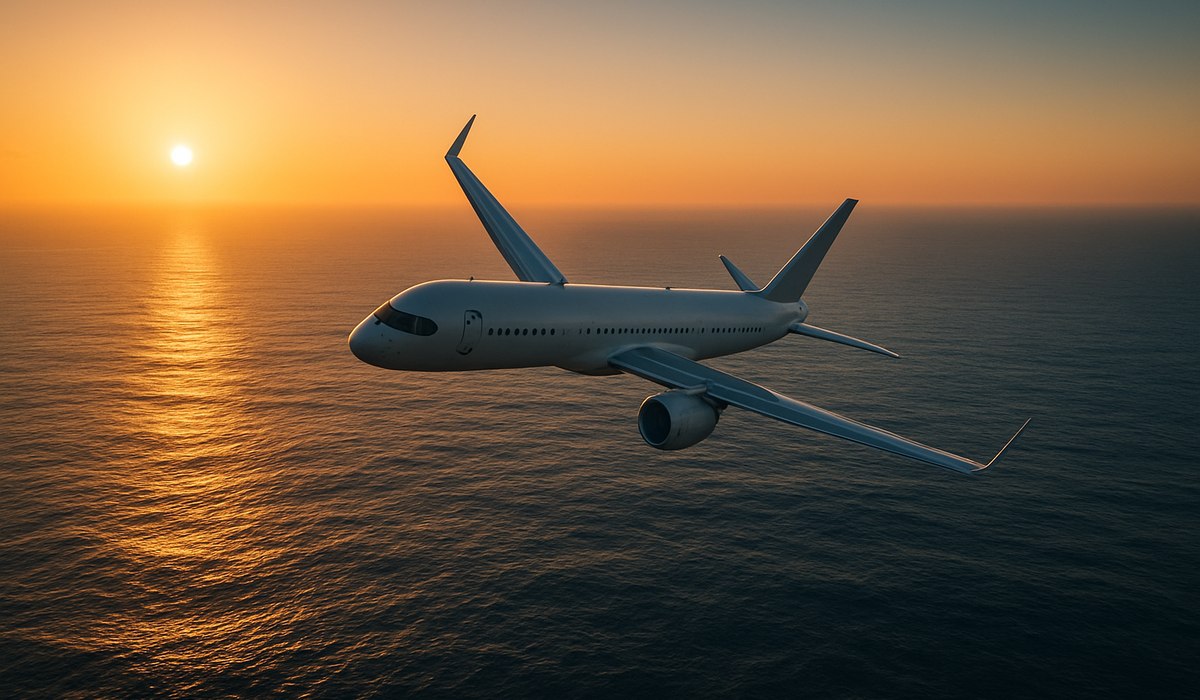
Image generated by AI
Delta Air Lines Slashes Boeing 757 European Operations to Minimal Routes
Delta Air Lines has significantly curtailed its Boeing 757 presence on transatlantic routes, now maintaining service on merely two European destinations. This strategic shift reflects the airline's broader fleet modernization initiative, replacing the decades-old narrowbody aircraft with contemporary, fuel-efficient alternatives. As of April 2026, the carrier's historic transatlantic 757 operations have largely concluded, marking the end of an era for this iconic aircraft class.
The Boeing 757's Transatlantic Glory Days
The Boeing 757 revolutionized long-haul narrowbody aviation when ETOPS regulations were introduced, permitting extended operations over ocean routes. For several decades, Delta lines Boeing 757s dominated the transatlantic market, offering operators cost-effective solutions for medium-distance international flights. The aircraft's reliability, range capability, and passenger capacity made it the preferred choice for routes between North America and European cities throughout the 1990s and 2000s. Airlines leveraged the 757's extended twin-engine performance standards to establish profitable transatlantic services previously reserved for wide-body aircraft, fundamentally reshaping global aviation economics and passenger accessibility to European destinations.
Why Delta Is Retiring the 757 From European Routes
Fleet optimization drove Delta's decision to withdraw Boeing 757 aircraft from European service. Newer narrowbody designs—including the Airbus A321neo and Boeing 737 MAX variants—offer superior fuel efficiency, reduced maintenance costs, and enhanced passenger comfort features. Environmental regulations and carbon emission reduction targets accelerated the phase-out timeline. Delta's strategic priority involves deploying newer aircraft to international markets, allowing the aging 757 fleet to return to its original domestic and short-haul purpose. This modernization aligns with industry-wide trends toward lighter, more economical aircraft for premium cabin long-haul routes. Check FlightAware for real-time details on remaining 757 transatlantic schedules.
What Routes Remain For Delta's 757 Fleet
Only two European routes maintain Boeing 757 service under Delta's current scheduling. These limited routes represent the final chapter of the aircraft's transatlantic career, likely selected for operational efficiency or contractual commitments. The specific destinations balance passenger demand with fleet utilization requirements, ensuring the carrier maximizes revenue on routes where the 757 remains economically viable. Regional European hubs may receive occasional 757 service on secondary routes, though primary transatlantic gateways have transitioned exclusively to next-generation narrowbody or wide-body aircraft. Passengers should verify current routing through Delta's official channels, as schedules may shift seasonally or change without notice.
The Future of Narrowbody Long-Haul Travel
Modern narrowbody aircraft are redefining transatlantic travel expectations. Enhanced cabin pressurization, advanced avionics, and improved aerodynamics enable manufacturers to extend range while reducing operating costs substantially. Airlines now deploy A321neo, 787 Dreamliner, and 737 MAX variants on routes previously reserved for larger aircraft. This evolution democratizes long-haul premium cabin access, as carriers can offer business-class seating on narrowbody frames, attracting corporate travelers. Delta's transition away from the 757 reflects confidence in next-generation platforms' ability to deliver superior passenger experiences while maintaining profitability. The regulatory environment—including FAA and international standards—supports these transitions, enabling smoother aircraft replacement cycles across global networks.
| Metric | Details |
|---|---|
| Aircraft Type | Boeing 757-200/300 series |
| Remaining European Routes | 2 active transatlantic services |
| Fleet Transition Timeline | 2024-2026 phase-out period |
| Replacement Aircraft | A321neo, 737 MAX 9, select wide-body models |
| Primary Benefit | 25-30% fuel efficiency improvement |
| Passenger Capacity | 757 (200 pax) vs. A321neo (220+ pax) |
| Maintenance Cost Reduction | 15-20% estimated savings annually |
What This Means for Travelers
Passengers booking transatlantic flights should understand evolving aircraft assignments and plan accordingly.
-
Verify aircraft type when purchasing tickets—newer narrowbodies offer superior cabin technology and onboard amenities compared to aging 757 platforms.
-
Book premium economy strategically—next-generation aircraft feature enhanced seating ergonomics and entertainment systems, justifying potential fare premiums.
-
Check luggage policies—different aircraft models may impose varying baggage allowances; confirm specifics before travel.
-
Monitor schedule changes—Delta may shift remaining 757 routes to newer aircraft without significant advance notice; subscribe to airline alerts.
-
Understand seat configurations—modern narrowbodies may feature different cabin layouts; request specific seat locations during booking.
-
Review connectivity options—newer aircraft typically feature improved WiFi and power infrastructure for passenger devices.
Visit the U.S. Department of Transportation for comprehensive passenger rights information before transatlantic travel.
Frequently Asked Questions
When will Delta completely retire its 757 fleet from all operations?
Delta's timeline extends into 2027-2028 for complete 757 retirement, though European routes are already mostly eliminated. The carrier plans to retain some 757s for domestic service where demand justifies continued operation despite higher per-seat costs compared to modern aircraft.
Can I specifically request a 757 if I prefer this aircraft?
Passengers cannot guarantee specific aircraft assignments under Delta's standard booking procedures. Aircraft assignments change frequently for operational reasons, and airlines don't accommodate individual aircraft preferences in their reservation systems.
Are there fare differences between 757 and newer aircraft service?
Pricing reflects route demand and seasonal factors rather than aircraft type. However, flights on modern aircraft may command premium fares due to superior fuel efficiency benefits passed partially to carriers, potentially affecting passenger ticket costs marginally.
What safety differences exist between 757 and modern narrowbodies?
Both aircraft types meet identical FAA safety standards and regulatory requirements. Modern aircraft incorporate technological advances in avionics and systems redundancy, but 757s remain equally certified and safe for all approved operations including extended ocean routes.
Related Travel Guides
Explore additional resources for transatlantic travel planning:
- European Travel Guides: Maximizing Your Transatlantic Flight Experience
- Airline Fleet Modernization: What It Means for Business Travelers
- Premium Cabin Selection: Comparing Narrowbody vs. Wide-Body Aircraft
Disclaimer
This article is for informational and educational purposes only. It does not constitute legal, financial, or professional advice. While we strive to provide accurate and up-to-date information, travel policies, regulations, and conditions change rapidly. Always verify information with official sources before making travel decisions. Nomad Lawyer makes no representations about the accuracy, reliability, completeness, or suitability of the information provided. Readers should consult qualified professionals for advice specific to their circumstances. The views expressed in this article are those of the author and do not necessarily reflect the views of Nomad Lawyer.
Raushan Kumar
Founder & Lead Developer
Full-stack developer with 11+ years of experience and a passionate traveller. Raushan built Nomad Lawyer from the ground up with a vision to create the best travel and law experience on the web.
Learn more about our team →