
WHO’S NEXT PARIS 2026 Returns to Paris Expo Porte de Versailles with 1,200 Global Brands
WHO’S NEXT PARIS 2026 reunites 38,000 fashion professionals and 1,200 exhibiting brands at Paris Expo Porte de Versailles from September 5–7, 2026, to drive global retail growth.

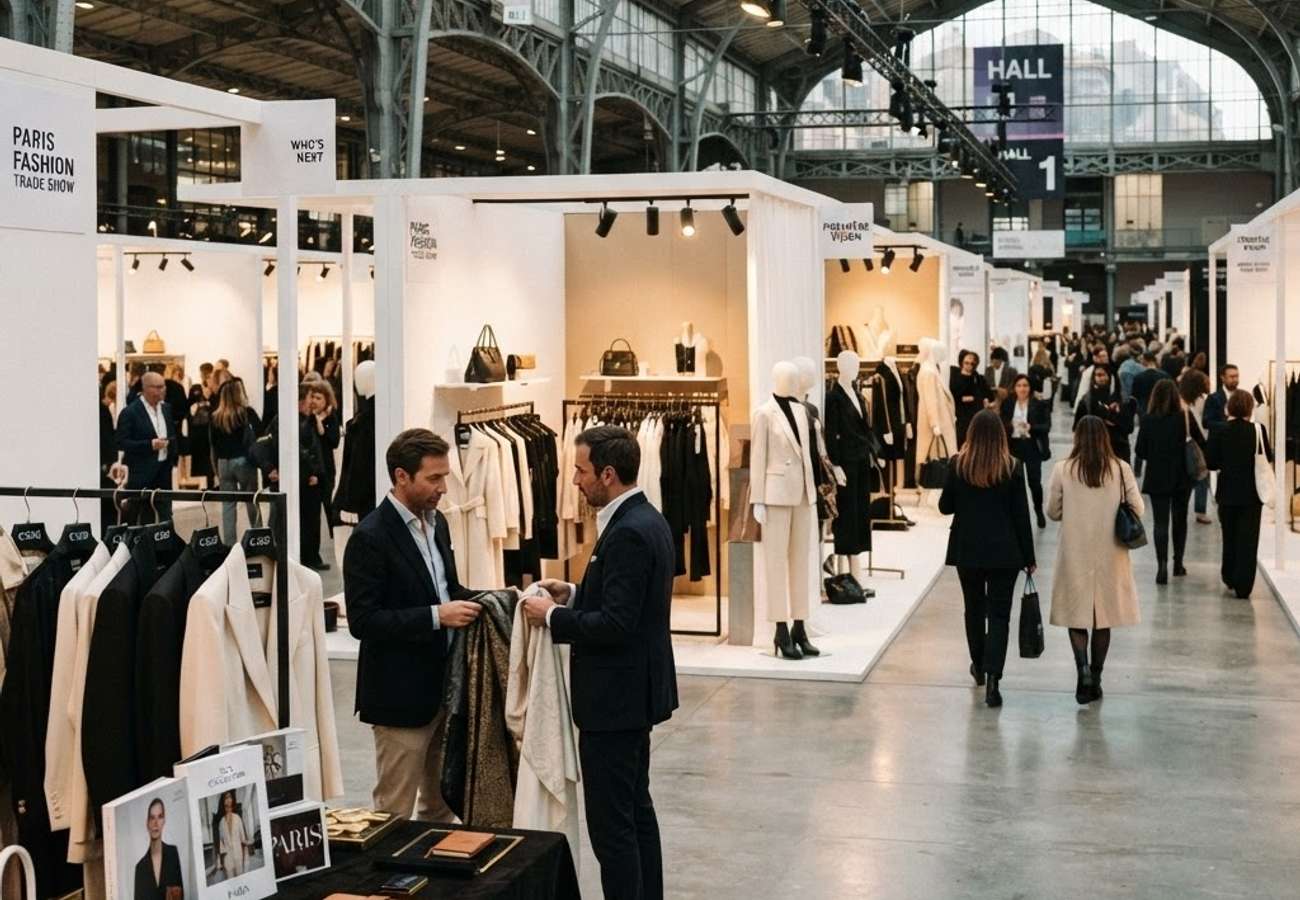
Image generated by AI
Approximately 38,000 industry professionals and 1,200 exhibiting brands are descending upon Paris from September 5–7, 2026, for WHO’S NEXT PARIS. This premier B2B event at the Paris Expo Porte de Versailles serves as a critical commercial engine for the global fashion sector, bridging the gap between creative design and international retail distribution.
The fashion industry is currently navigating a period of intense transformation, where the demand for sustainable sourcing and global partnerships has never been higher. WHO’S NEXT PARIS 2026 arrives at a pivotal moment, offering a structured environment where ready-to-wear labels, accessory designers, and lifestyle brands can secure the contracts necessary for future seasonal growth. Unlike consumer-facing fashion weeks, this event is a dedicated business hub designed specifically for the procurement and distribution side of the industry.
Global Sourcing at Paris Expo Porte de Versailles
The September 2026 edition of WHO’S NEXT is hosted by WSN, the organization responsible for some of the most influential trade gatherings in France. By centering the event at the Paris Expo Porte de Versailles, the organizers provide a massive infrastructure capable of supporting the complex logistics of 1,200 brands.
The event is not a public gallery but a strategic marketplace. It functions as a high-density networking zone where distributors, e-commerce giants, and boutique owners identify the next wave of market trends. The synergy created here allows brands to move from the conceptual phase of a collection to a signed retail agreement within a single weekend.
Comprehensive Event Logistics for WHO’S NEXT PARIS 2026
The scale of the event is reflected in its organizational structure. By co-locating with other WSN events like BIJORHCA, the exhibition creates a "one-stop shop" for fashion professionals who need to source everything from high-end jewelry to ready-to-wear apparel.
| Category | Official Information |
|---|---|
| Event Name | WHO’S NEXT PARIS 2026 |
| Dates | 5–7 September 2026 |
| Venue | Paris Expo Porte de Versailles |
| Location | Paris, France |
| Address | 1 Place de la Porte de Versailles, 75015 Paris |
| Organiser | WSN |
| Event Type | International B2B fashion trade show |
| Main Sectors | Ready-to-wear, accessories, lifestyle, beauty and creative brands |
| Main Audience | Buyers, retailers, distributors, fashion professionals and e-commerce companies |
| Co-located Events | BIJORHCA and other WSN events |
| Frequency | Twice yearly |
| Main Purpose | Brand discovery, sourcing, networking and business development |
Analyzing the Professional Visitor Demographic
Data indicates that the event's value lies in the quality of its attendees. Of the roughly 38,000 visitors expected, approximately 70% are active buyers. This high concentration of decision-makers makes the event a primary target for brands seeking rapid international expansion.
The visitor profile is intentionally diverse to ensure a complete supply chain presence:
| Visitor Category | Purpose |
|---|---|
| Fashion buyers | Discover new collections and brands |
| Retailers | Source products for stores |
| Department stores | Build supplier relationships |
| Concept stores | Find exclusive products |
| E-commerce companies | Identify online retail opportunities |
| Distributors | Expand brand networks |
| Designers | Present creative concepts |
| Stylists | Follow upcoming trends |
| Fashion media | Report on industry developments |
| Trend agencies | Analyse future market movements |
This demographic mix ensures that a brand exhibiting at the show is not just seen by peers, but by the people who control the shelf space in major global markets.
Diversified Fashion Categories and Market Segments
The 2026 showcase is designed to mirror the holistic nature of modern retail. Buyers are no longer looking for isolated pieces but for cohesive lifestyle offerings. Consequently, the exhibition is divided into several critical sectors:
- Ready-to-Wear: The core of the event, focusing on seasonal clothing collections.
- Accessories: A massive segment covering footwear, handbags, and jewelry.
- Beauty and Wellness: Integrating cosmetics and skincare into the fashion ecosystem.
- Sustainable Fashion: A growing priority, featuring brands utilizing responsible manufacturing.
- Emerging Talent: Dedicated spaces for new designers to pitch to established retail houses.
By integrating these categories, WHO’S NEXT allows a single retailer to curate an entire store's inventory—from the clothing to the beauty products on the counter—within one venue.
Strategic Advantages for Emerging Labels
For small-scale designers and emerging labels, the barrier to entry in the global market is often the lack of direct access to high-volume buyers. WHO’S NEXT removes this barrier by providing a physical platform where a new brand can stand alongside global giants.
The event provides these smaller entities with immediate international visibility and the chance to secure distribution partnerships that would otherwise take years of cold-calling and sampling to achieve. For these designers, the event is less about "showing" and more about "scaling."
Infrastructure and Accessibility in the 15th Arrondissement
The choice of the Paris Expo Porte de Versailles is strategic. Located in the 15th arrondissement, the venue is one of the largest in Europe and is purpose-built for high-traffic trade fairs. Its integration with the Paris public transport network ensures that international delegates can move efficiently between their hotels and the exhibition halls. This logistical ease is essential for an event that attracts tens of thousands of visitors over a tight three-day window.
Why This Matters: The Commercial Impact of B2B Trade Shows
For the fashion professional, the shift toward digital sourcing has made physical trade shows like WHO’S NEXT more valuable, not less. In an era of AI-generated trends and digital catalogs, the ability to touch fabrics, verify the quality of a stitch, and negotiate face-to-face with a founder is a competitive advantage.
From a logistical standpoint, this event creates a massive short-term surge in the Paris hospitality and service sector. For the brands involved, the "Information Gain" here is the real-time feedback from 38,000 professionals. When a buyer from a major department store tells a designer that a specific silhouette is not trending in their region, that data is more valuable than any third-party market report. It allows for immediate pivots in production and design before the season officially launches.
Paris remains the epicenter of fashion, and WHO’S NEXT 2026 proves that the business of beauty is still built on human connection.
Related Travel Guides
Disclaimer
This article is for informational and educational purposes only. It does not constitute legal, financial, or professional advice. While we strive to provide accurate and up-to-date information, travel policies, regulations, and conditions change rapidly. Always verify information with official sources before making travel decisions. Nomad Lawyer makes no representations about the accuracy, reliability, completeness, or suitability of the information provided. Readers should consult qualified professionals for advice specific to their circumstances. The views expressed in this article are those of the author and do not necessarily reflect the views of Nomad Lawyer.
Raushan Kumar
Founder & Lead Developer
Full-stack developer with 11+ years of experience and a passionate traveller. Raushan built Nomad Lawyer from the ground up with a vision to create the best travel and law experience on the web.
Learn more about our team →