
Whitehorse Yukon Named Top 2027 Global Destination for Sustainable Adventure Tourism
Whitehorse, Yukon, has secured a top spot on the 2027 global travel hotlist, signaling a shift toward low-impact, sub-Arctic tourism and Indigenous-led cultural experiences.

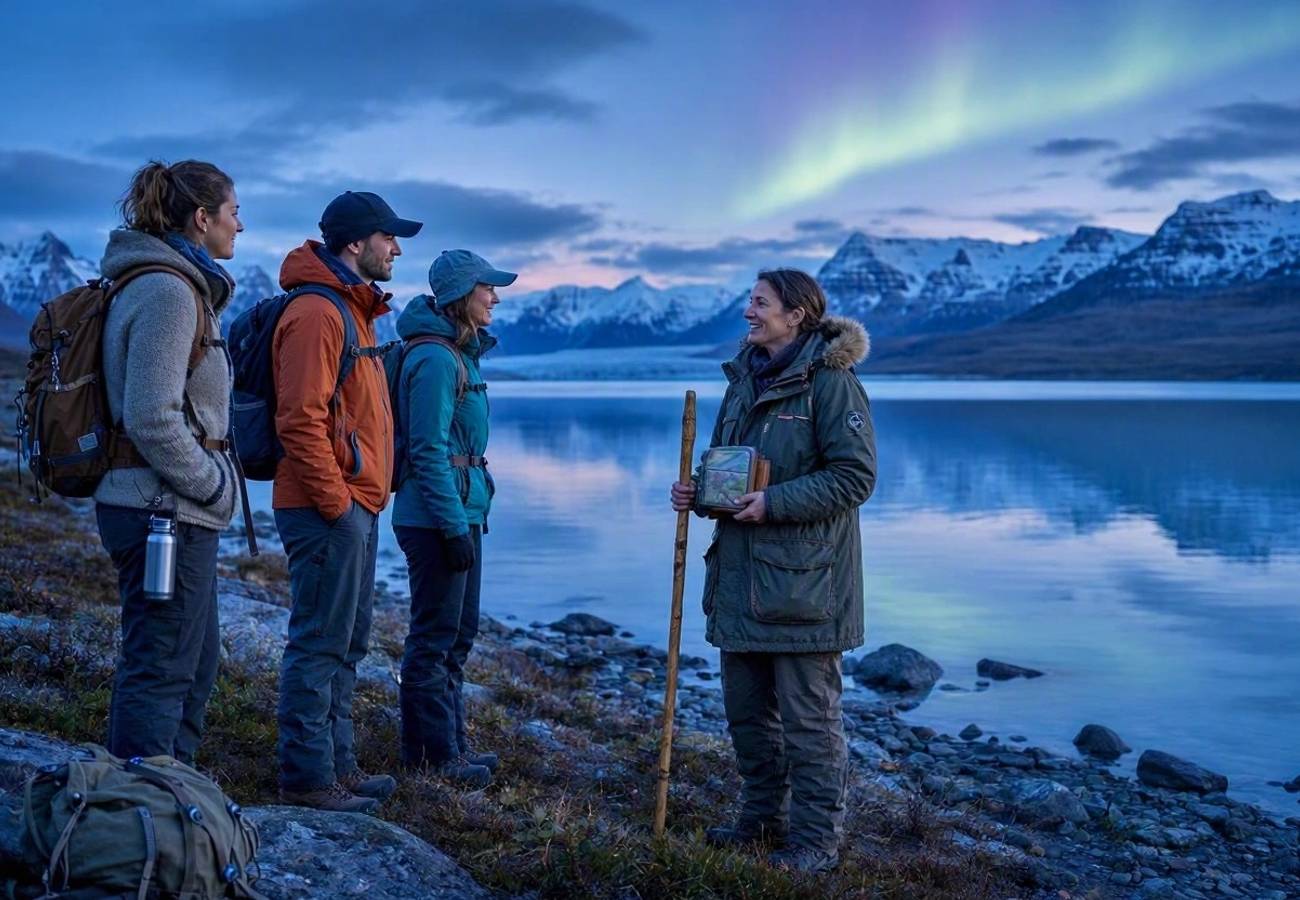
Image generated by AI
[Whitehorse, October 16, 2026] — Whitehorse, Yukon, has been named a premier global destination for 2027, ranking fourth on Intrepid Travel's influential "Not Hot List" of sustainable, under-the-radar locations. The designation marks the first time a Canadian city has appeared on the list, which prioritizes destinations capable of absorbing visitors without the environmental and social degradation associated with overtourism in major metropolitan hubs.
The recognition positions the capital of the Yukon Territory as a primary alternative for travelers seeking authentic, low-impact experiences. Located at 60° north latitude, Whitehorse serves as the gateway to 483,450 square kilometers of sub-Arctic tundra, boreal forests, and mountains. The city is currently transitioning from a resource-dependent economy to a hub for eco-conscious tourism, heavily integrated with the traditional territories of the Ta’an Kwäch’än Council and the Kwanlin Dün First Nation.
The Shift Toward Sustainable Sub-Arctic Tourism
The rise of Whitehorse as a 2027 hotspot is driven by a global trend where international visitors abandon congested urban corridors for remote regions. While neighboring British Columbia manages approximately 10 million annual visitors, the Yukon maintains a controlled volume of just over 500,000 visitors per year. This managed scale is a deliberate strategy to protect delicate ecosystems and maintain local quality of life.
The city leverages the Erik Nielsen Whitehorse International Airport to provide modern accessibility while ensuring that the surrounding wilderness remains pristine. This balance is supported by the Yukon Tourism Development Strategy (2018–2028), a ten-year framework focused on year-round product diversification and community-led growth.
Economic Impact of the Tourism Sector
Tourism has become a vital pillar of the Yukon’s non-resource economy. Data from the Yukon Bureau of Statistics indicates that the sector generates significant direct revenue and provides high-quality employment opportunities for the territorial workforce.
Yukon Tourism Economic Indicators
| Economic Metric | Official Baseline Figure (CAD) |
|---|---|
| Direct Tourism GDP Contribution | $146.1 Million |
| Sector Gross Revenue Attributable | $367.8 Million |
| Direct Visitor Annual Expenditure | $284.6 Million |
| Out-of-Territory Package Spend | $310.6 Million |
| Direct Tourism Industry Employment | ~2,360 Jobs (9% of Territorial) |
Workforce Compensation Data
| Metric | Value |
|---|---|
| Average Hourly Compensation | $31.13 per hour |
| Total Annual Sector Payroll | $117.4 Million |
| Sector Employment Share | 9.0% of Yukon total |
What This Means for Travelers
For those planning a trip to the North in 2027, the "Not Hot List" designation signals a shift in how the region is managed. Travelers should expect a focus on "slow travel" and high-value, low-impact itineraries.
Passenger and Visitor Impact:
- Increased Demand for Indigenous-Led Tours: There is a heavy federal and territorial push toward Indigenous-owned enterprises. Travelers will find more authentic, Reconciliation-led cultural experiences.
- Managed Capacity: Unlike the "overtourism" seen in European capitals, Whitehorse is prioritizing quality over quantity. This may mean limited availability for certain high-demand eco-lodges or guided wilderness expeditions.
- Infrastructure Improvements: Through Destination Canada, the federal government is investing in northern air links and regional highway networks to ensure resilience in sub-Arctic conditions.
- Data-Driven Experiences: The use of the Canadian Tourism Data Collective allows the region to monitor visitor flows in real-time, which may lead to dynamic guidance on avoiding crowded spots within the territory.
Federal Policy and Indigenous Acceleration
The growth of Whitehorse is not accidental but the result of aligned federal and territorial policies. The Federal Tourism Growth Strategy, managed by Innovation, Science and Economic Development Canada (ISED), views the North as a critical asset for Canada's global brand.
Key policy drivers include:
- Financial Support: The implementation of the Community Tourism Destination Development Fund and the Spark Tourism Micro-grant to accelerate Indigenous-owned businesses.
- Environmental Stewardship: A strict adherence to sustainable destination management to prevent the degradation of the sub-Arctic landscape.
- Infrastructure Resilience: Targeted funding for green space projects and enhanced transport links to reduce the carbon footprint of remote travel.
FAQ: Visiting Whitehorse 2027
What is the "Not Hot List" and why is Whitehorse on it? The Not Hot List, curated by Intrepid Travel, identifies destinations that are sustainable alternatives to overcrowded tourist traps. Whitehorse is featured for its ability to offer authentic adventure without the negative impacts of mass tourism.
How does the Yukon manage its visitor numbers? The territory focuses on a "managed scale" approach, keeping annual visitors around 500,000. This ensures that the environment and local infrastructure are not overwhelmed, unlike higher-density provinces like British Columbia.
What are the best activities for eco-conscious travelers in Whitehorse? Over 82% of visitors prioritize nature exploration. Top activities include visiting territorial parks, engaging in Indigenous-led cultural tours, and exploring the sub-Arctic tundra and boreal forests.
Is it expensive to visit Whitehorse? While the region offers high-quality services, the cost reflects the specialized nature of sub-Arctic tourism. However, the increase in diverse, community-led tourism models is providing a wider range of price points for 2027.
The North is no longer just a frontier; it is the new blueprint for sustainable global travel.
Related Travel Guides
Disclaimer
This article is for informational and educational purposes only. It does not constitute legal, financial, or professional advice. While we strive to provide accurate and up-to-date information, travel policies, regulations, and conditions change rapidly. Always verify information with official sources before making travel decisions. Nomad Lawyer makes no representations about the accuracy, reliability, completeness, or suitability of the information provided. Readers should consult qualified professionals for advice specific to their circumstances. The views expressed in this article are those of the author and do not necessarily reflect the views of Nomad Lawyer.
Kunal K Choudhary
Co-Founder & Contributor
A passionate traveller and tech enthusiast. Kunal contributes to the vision and growth of Nomad Lawyer, bringing fresh perspectives and driving the community forward.
Learn more about our team →