
Airlines Raising Fares Nationwide as Budget Carrier Spirit Exits Market
Breaking airline news and aviation industry updates for 2026.

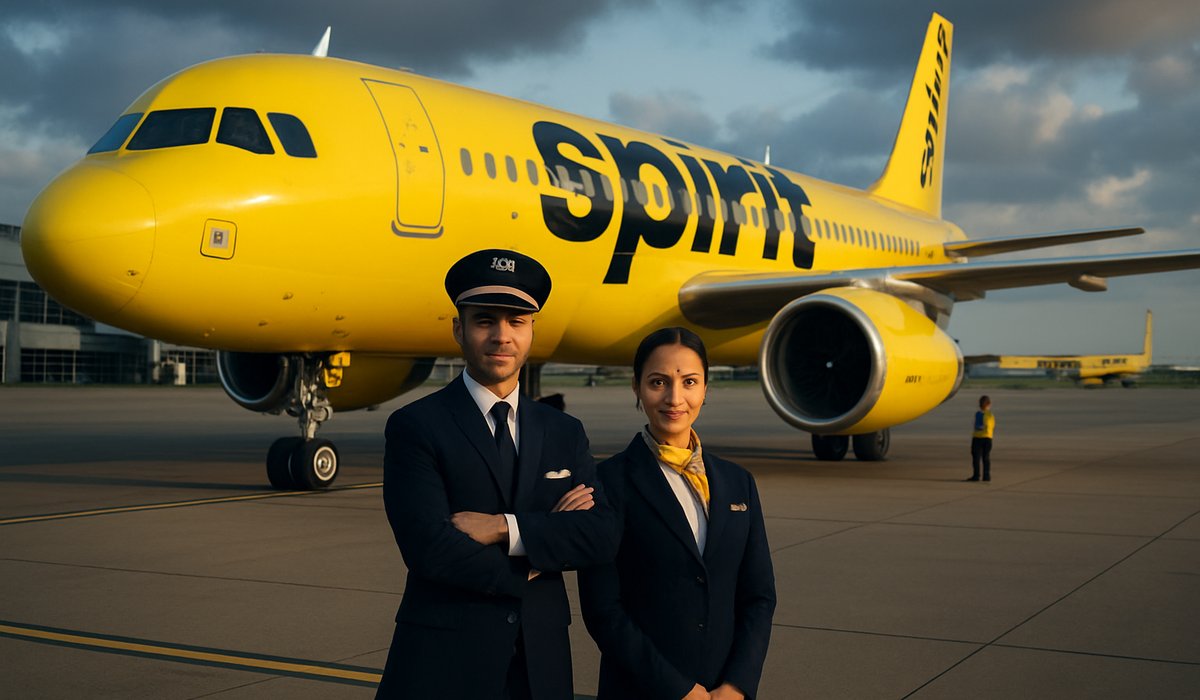
Image generated by AI
Airlines Raising Fares Nationwide as Budget Carrier Spirit Exits Market
The collapse of America's most aggressive low-cost competitor is reshaping ticket pricing across the industry, signaling a shift toward higher travel costs for consumers
The End of Rock-Bottom Competition
The withdrawal of Spirit Airlines from major markets, including Minneapolis, has triggered a dramatic recalibration of airfares across the United States. With the carrier's signature yellow aircraft no longer undercutting competitors, major airlines are rapidly adjusting pricing strategies upward—a trend that industry analysts warn could become permanent.
For nearly two decades, Spirit Airlines served as aviation's most controversial yet economically vital disruptor. While passengers grimaced at the airline's bare-bones cabins, extensive baggage charges, and unbundled fee structure, they simultaneously reaped the benefits of aggressive price competition. The carrier's willingness to operate on razor-thin margins forced larger competitors to maintain competitive fares rather than exploit their market dominance.
Pricing Power Returns to Legacy Carriers
Market data reveals the immediate impact of Spirit's departure. In Minneapolis-Saint Paul, a market where Spirit maintained significant operations, average roundtrip fares have nearly doubled since the airline's exit. This pattern mirrors developments in other major metropolitan areas where the budget carrier previously operated.
"Spirit provided a competitive benchmark that kept the entire industry honest," explains aviation economist analysis. "Without that pressure, carriers have significantly more pricing latitude."
United Airlines, Delta Air Lines, Southwest Airlines, and American Airlines—the four carriers controlling approximately 80% of U.S. domestic capacity—now face reduced competitive constraints in dozens of markets. Their quarterly earnings reports increasingly reflect this newfound pricing power.
Broader Industry Ramifications
The disappearance of aggressive low-cost competition coincides with persistent elevated jet fuel prices and post-pandemic labor cost increases. Together, these factors create a perfect storm for consumers seeking affordable air travel.
Regional carriers attempting to fill the void left by Spirit have proven insufficient competitors. Allegiant Air and Frontier Airlines, while maintaining low-cost models, lack the national network and frequency to replicate Spirit's market-disrupting influence.
Travel industry consultants predict that airfare inflation will persist throughout the coming year, with particular pressure on leisure routes—precisely the markets Spirit historically dominated. Business travel, less price-sensitive, may experience more moderate increases.
What Comes Next
Airlines, demonstrating newfound confidence, have begun implementing ancillary fee increases alongside base fares. Baggage charges, seat selection fees, and change penalties are all trending upward—structural changes that may survive even if new low-cost entrants eventually emerge.
The Spirit Airlines collapse represents a watershed moment for aviation economics: the end of an era when the most despised airline in America served as an unwitting consumer advocate.
Frequently Asked Questions
Why did Spirit Airlines fail and exit the market? Spirit Airlines filed for bankruptcy amid operational challenges, debt burdens, and increased competition following the pandemic, ultimately ceasing operations across its network.
How much have airline fares increased since Spirit left Minneapolis? Average fares in Minneapolis-Saint Paul have approximately doubled since Spirit's departure, with similar increases observed in other previously served markets.
Will new budget airlines replace Spirit and restore fare competition? While carriers like Allegiant and Frontier operate budget models, they lack Spirit's expansive network and frequency to provide equivalent competitive pressure on legacy carriers.
Are baggage fees and airline charges increasing alongside higher base fares? Yes, major carriers are simultaneously raising base fares and ancillary fees, capitalizing on reduced price competition in multiple revenue streams.
What does this mean for travelers going forward? Consumer airfares are expected to remain elevated through 2024 and beyond, as legacy carriers maintain pricing discipline without pressure from aggressive low-cost competitors.
Related Travel Guides
Flight Delay Compensation Guide 2026
Understanding Airline Route Changes
Airport Security Process Updated (2026)
External Resources
Disclaimer
This article is for informational and educational purposes only. It does not constitute legal, financial, or professional advice. While we strive to provide accurate and up-to-date information, travel policies, regulations, and conditions change rapidly. Always verify information with official sources before making travel decisions. Nomad Lawyer makes no representations about the accuracy, reliability, completeness, or suitability of the information provided. Readers should consult qualified professionals for advice specific to their circumstances. The views expressed in this article are those of the author and do not necessarily reflect the views of Nomad Lawyer.
Kunal K Choudhary
Co-Founder & Contributor
A passionate traveller and tech enthusiast. Kunal contributes to the vision and growth of Nomad Lawyer, bringing fresh perspectives and driving the community forward.
Learn more about our team →