
WestJet Drops 10 US Routes for Winter 2026–27: Deep Cuts in Vancouver, Alberta, and Saskatchewan

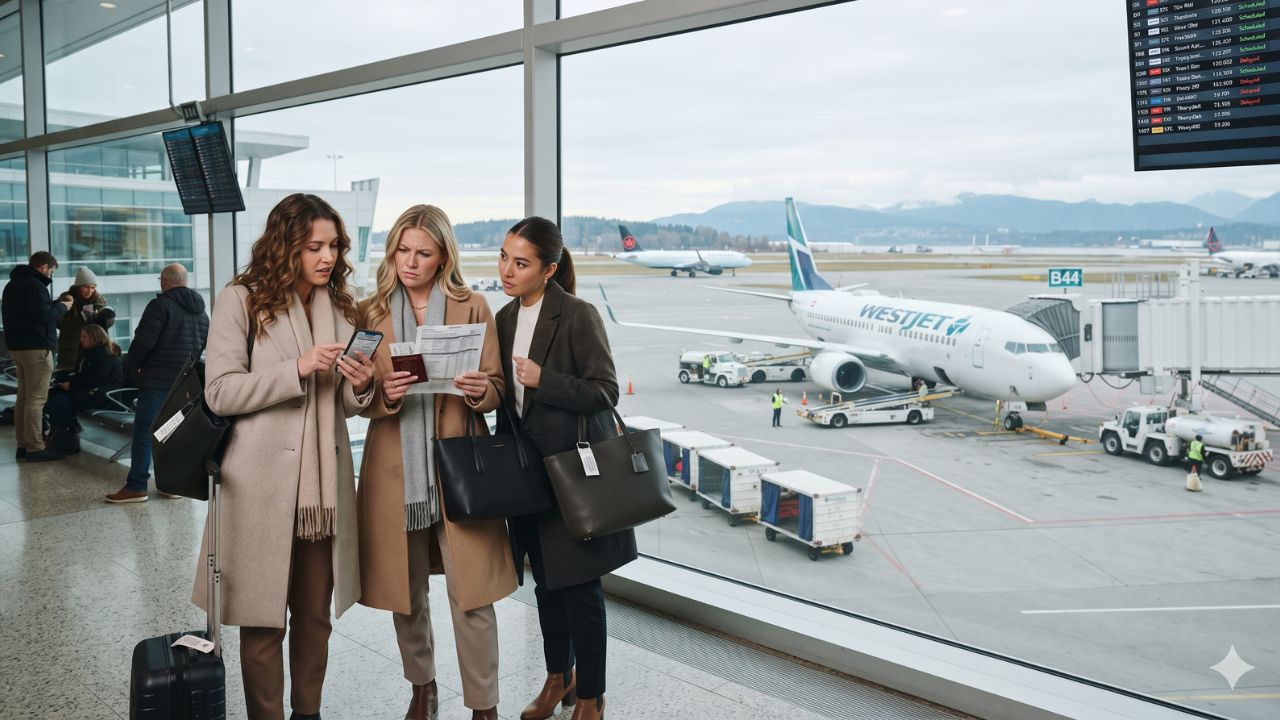
A 26% reduction in weekly transborder departures from Vancouver International Airport anchors WestJet’s sweeping withdrawal of 10 United States routes for the winter 2026–27 schedule, reducing its West Coast transborder footprint from 11 routes to just six. The network retrenchment directly affects travelers departing from Vancouver, Calgary, Edmonton, Regina, Saskatoon, and Toronto Pearson, dismantling non-stop access to major American holiday and commercial centers including Los Angeles, Orlando, Las Vegas, Fort Lauderdale, Chicago O'Hare, Atlanta, and Lihue on the Hawaiian island of Kauai. While select services—such as Vancouver–Los Angeles and Calgary–Chicago—are scheduled for temporary winter suspensions between 25 October 2026 and 24 April 2027, several others represent cancelled seasonal resumptions, signaling a structural reallocation of narrow-body aircraft away from soft transborder leisure corridors.
The route cancellations reflect broader commercial headwinds across the Canadian aviation sector. A softening Canadian dollar, elevated transborder operational costs, and aggressive competitive capacity deployed by rival alliances have prompted WestJet to consolidate capacity into higher-margin domestic trunk corridors and sun packages across Mexico and the Caribbean. For Canadian sunseekers, business professionals, and winter vacationers, the loss of direct connectivity necessitates evaluating alternative carriers, booking connecting itineraries, and understanding statutory consumer rights under Canadian aviation regulations.
Strategic Realignment: Transborder Demand Contraction and Western Canada Retrenchment
WestJet's network restructuring highlights a fundamental shift in transborder airline economics. Historically, transborder flying between secondary Canadian cities and warm-weather American destinations provided dependable winter cash flow. However, post-pandemic travel habits and currency exchange disparities have altered booking behavior. With the Canadian dollar trading at a persistent discount against the US dollar, discretionary leisure travel to American entertainment hubs like Orlando, Las Vegas, and Southern California has softened.
Simultaneously, the competitive environment on cross-border routes has intensified. The dominant Transborder Joint Business Agreement between Air Canada and United Airlines has expanded seat capacity across primary business corridors, creating yield pressure on unaligned carriers. In response, WestJet leadership has chosen to reassign aircraft to markets where it maintains strong competitive moats, particularly intra-Western Canada routes and all-inclusive leisure packages across the Caribbean and Central America.
The 10 affected routes fall into two distinct operational classifications:
- Seasonal Winter Suspensions: Currently operating routes that are paused from late October 2026 through late April 2027 to avoid low winter load factors.
- Cancelled Timetable Resumptions: Dormant seasonal services that were scheduled to return for the winter holiday travel season but were expunged from the reservation system prior to relaunch.
The operational impact is unevenly distributed across Canada. While Ontario loses a single seasonal service at Toronto Pearson, Western Canada absorbs the bulk of the capacity cuts, with British Columbia, Alberta, and Saskatchewan bearing substantial losses in non-stop American connectivity.
| Canadian Departure Gateway | Affected US Route & Destination | Operational Status & Timeline | Network Shift & Capacity Metric | Alternate Carrier Options |
|---|---|---|---|---|
| Vancouver (YVR) | Los Angeles (LAX) | Suspended 25 Oct 2026 – 24 Apr 2027 | YVR transborder routes drop from 11 to 6 | Delta Air Lines launching YVR–LAX from 21 Nov 2026; Air Canada |
| Vancouver (YVR) | Orlando (MCO) | Extended suspension through winter | Removes non-stop Central Florida family link | Air Canada seasonal service or connecting flights |
| Vancouver (YVR) | Atlanta (ATL) | Removed from winter schedule | Severing direct access to primary US Southeast hub | Delta Air Lines non-stop connections |
| Vancouver (YVR) | Fort Lauderdale (FLL) | Removed from winter schedule | Eliminates direct access to South Florida cruise ports | Alternative flights via Miami or connecting hubs |
| Vancouver (YVR) | Lihue, Kauai (LIH) | Removed from winter schedule | Direct Hawaiian island leisure capacity lost | Alternative Hawaii routes via Honolulu or Maui |
| Calgary (YYC) | Chicago O’Hare (ORD) | Suspended 25 Oct 2026 – 24 Apr 2027 | Pauses primary Midwest business connection | United Airlines non-stop service |
| Edmonton (YEG) | Atlanta (ATL) | Removed following prior suspension | Loss of direct southeastern transit access | Connecting flights via Minneapolis or Denver |
| Regina (YQR) | Las Vegas (LAS) | Resumption cancelled (was due 29 Oct) | Eliminates direct Saskatchewan holiday flight | Connecting services via Calgary or Edmonton |
| Saskatoon (YXE) | Las Vegas (LAS) | Resumption cancelled (was due 25 Oct) | Eliminates direct Saskatchewan holiday flight | Connecting services via Calgary or Minneapolis |
| Toronto Pearson (YYZ) | Las Vegas (LAS) | Planned seasonal resumption cancelled | Reduced carrier competition on key leisure route | Air Canada, Porter Airlines, Flair Airlines |
This operational breakdown illustrates how capacity retrenchment concentrates inside Western Canada while leaving transborder business travel reliant on competing legacy carriers.
Regional Gateway Breakdown: Vancouver, Alberta, and the Prairies
The most severe operational reduction occurs at Vancouver International Airport, where WestJet is removing five distinct American routes: Atlanta, Fort Lauderdale, Los Angeles, Orlando, and Lihue. The carrier's published schedule reveals that its transborder network from Vancouver will shrink from 11 routes down to six, with weekly departures falling from 66 to 49—a sharp 26% decline in direct US connectivity.
The withdrawal from Vancouver–Los Angeles is especially notable. As one of the highest-density transborder corridors on the West Coast, the suspension from 25 October 2026 to 24 April 2027 leaves a temporary competitive vacuum. However, network carriers are quickly responding: Delta Air Lines was scheduled to introduce its own non-stop service between Vancouver and Los Angeles starting 21 November 2026, offering travelers an immediate alternative.
In Alberta, corporate and transit connections face disruption. Calgary loses its direct WestJet link to Chicago O'Hare between 25 October and 24 April, removing an essential Midwestern business corridor from WestJet’s home hub, though United Airlines continues operating the city pair. In Edmonton, the removal of the Atlanta connection ends direct non-stop access to the world’s largest airline hub, forcing business travelers to route through domestic transfer points.
The cuts hit Saskatchewan particularly hard. Both Regina and Saskatoon lose their direct seasonal winter links to Las Vegas. Regina’s service had been scheduled to resume on 29 October 2026, while Saskatoon’s service was set to return on 25 October. Removing these planned resumptions strips both prairie cities of direct non-stop access to Nevada, forcing travelers onto multi-stop domestic itineraries that add three to five hours of transit time.
Expert Analysis: Fleet Allocation Economics, Competitive Dispersal, and Passenger APPR Rights
For travelers booking winter leisure travel from Western Canada, the direct consequence of WestJet's 10-route withdrawal is a sharp contraction in nonstop seat inventory that inevitably drives up peak holiday airfares on surviving carriers. When an airline removes 17 weekly departures from a single gateway like Vancouver, average seat yields on remaining non-stop flights rise as capacity tightens.
The capacity vacuum this creates means travelers must understand their legal protections under the Air Passenger Protection Regulations (APPR) enforced by the Canadian Transportation Agency. When an airline cancels or removes a scheduled flight from its future timetable well in advance of departure (more than 14 days' notice), statutory cash compensation for inconvenience does not apply. However, passenger rights regarding ticket value remain strictly protected:
- Mandatory Refund Rights: If an airline cancels a flight due to commercial schedule adjustments, passengers who decline alternate rebooking arrangements are legally entitled to a full refund to their original method of payment, rather than being forced to accept travel vouchers.
- Duty to Rebook: Under APPR requirements, the operating carrier must offer alternative travel arrangements on its own network or that of partner airlines within a reasonable timeframe, departing within 48 hours of the original departure time.
- Package Tour Protection: Travelers who booked affected flights as part of WestJet Vacations packages must contact their booking agent or the airline directly to obtain alternate flights or complete package refunds without penalty.
From an airline fleet management perspective, WestJet’s maneuver demonstrates strict capital discipline. Operating transborder routes with sub-75% load factors burns cash on high US airport landing fees, federal security surcharges, and customs processing costs. By parking or reassigning Boeing 737 aircraft to domestic trunk routes like Calgary–Toronto or sun destinations in Cancun and Punta Cana, WestJet protects its operating margins while abandoning low-yield transborder market share to US and Canadian competitors.
Key Takeaways
- 10 Transborder Routes Eliminated: WestJet has removed 10 Canada–US routes from its winter 2026–27 schedule across six Canadian airports, encompassing seasonal suspensions and cancelled resumptions.
- Vancouver Absorbs 26% Cut: Vancouver International Airport loses five routes (Atlanta, Fort Lauderdale, Los Angeles, Lihue, and Orlando), reducing weekly US departures from 66 to 49.
- Suspension Timelines: Key routes including Vancouver–Los Angeles and Calgary–Chicago are suspended from 25 October 2026 through 24 April 2027.
- Prairie Sun Routes Cancelled: Regina and Saskatoon lose their planned seasonal non-stop resumptions to Las Vegas, which were scheduled to resume on 29 October and 25 October, respectively.
- Full Refund Protections: Under Canadian Transportation Agency APPR rules, passengers holding confirmed tickets on cancelled flights are entitled to complete cash refunds if alternate rebooking options are unsuitable.
FAQ: WestJet US Route Cancellations 2026–27
Which 10 US routes has WestJet removed from its winter schedule?
WestJet removed Vancouver to Atlanta, Fort Lauderdale, Los Angeles, Lihue, and Orlando; Calgary to Chicago; Edmonton to Atlanta; Regina to Las Vegas; Saskatoon to Las Vegas; and Toronto to Las Vegas.
When will the suspended Vancouver–Los Angeles and Calgary–Chicago flights resume?
Both the Vancouver–Los Angeles and Calgary–Chicago O'Hare routes are scheduled to be suspended from 25 October 2026 until 24 April 2027.
Are alternative airlines available on the cancelled Vancouver routes?
Yes. For example, Delta Air Lines was scheduled to introduce Vancouver–Los Angeles non-stop service on 21 November 2026, while Air Canada continues operating on selected transborder corridors.
What are passenger refund rights if WestJet cancelled a booked flight?
Under the Canadian Air Passenger Protection Regulations (APPR), passengers whose flights are cancelled due to airline schedule changes are entitled to a full refund to their original payment method if offered alternatives are unacceptable.
By trading American leisure routes for resilient domestic and Caribbean corridors, WestJet tightens its Western Canadian fortress at the expense of cross-border convenience.
Related Travel Guides
Disclaimer
This article is for informational and educational purposes only. It does not constitute legal, financial, or professional advice. While we strive to provide accurate and up-to-date information, travel policies, regulations, and conditions change rapidly. Always verify information with official sources before making travel decisions. Nomad Lawyer makes no representations about the accuracy, reliability, completeness, or suitability of the information provided. Readers should consult qualified professionals for advice specific to their circumstances. The views expressed in this article are those of the author and do not necessarily reflect the views of Nomad Lawyer.
Kunal K Choudhary
Co-Founder & Contributor
A passionate traveller and tech enthusiast. Kunal contributes to the vision and growth of Nomad Lawyer, bringing fresh perspectives and driving the community forward.
Learn more about our team →