
Wellness Global Katherine Droga: Ancient Rituals Beat Trends in $9T Travel Market
Katherine Droga, chair of the Global Wellness Institute, reveals why ancient cultural practices—not fleeting trends—drive authentic wellness travel experiences in the booming $9 trillion market by 2028.

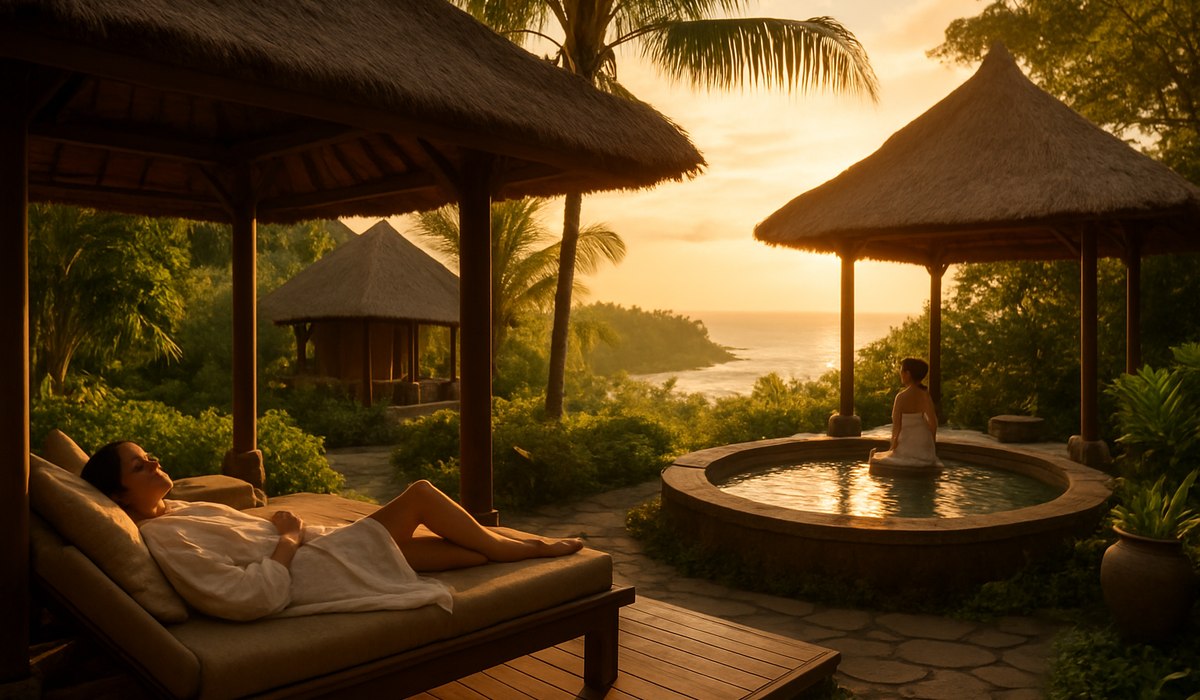
Image generated by AI
The Case Against Wellness Trends: Why Katherine Droga Says Culture Wins
Katherine Droga, chair of the Global Wellness Institute and founder of Well Traveller, is challenging the wellness tourism industry to abandon fleeting trends in favor of time-tested cultural practices. Speaking ahead of Global Wellness Day on June 13, 2026, Droga argues that authentic wellbeing experiences rooted in ancient traditions deliver more meaningful transformations than the latest wellness fads. As the global wellness economy races toward US$9 trillion by 2028, savvy travelers increasingly seek experiences grounded in genuine cultural heritage rather than Instagram-worthy novelties that fade within seasons.
Why Ancient Traditions Trump Wellness Trends
The wellness market overflows with trendy offerings—sleep tourism, nature immersion, ocean bathing, and slow travel dominate social feeds. Yet Droga contends these are merely modern packaging around centuries-old practices. "Ayurveda in Sri Lanka has been practised for thousands of years to create calm and replace medicines," she explains, emphasizing that returning to ancient rituals unlocks genuine nervous system restoration.
Bathhouses exemplify this principle perfectly. Once dismissed as quaint historical artifacts, bathhouses now experience explosive global growth—not because of marketing campaigns, but because they represent authentic social connection and relaxation traditions spanning millennia. Contemporary adaptations of these time-honored spaces prove that honoring cultural roots while maintaining modern amenities creates compelling wellness experiences.
Droga's philosophy centers on a fundamental truth: "Wellness isn't flipping that much… everything doesn't have to be new, it's about getting back to basics." Properties and destinations thriving in wellness tourism share one characteristic—they operate through an "authentic lens," grounding experiences in real cultural practices rather than manufactured trends. This approach resonates deeply with luxury travelers who increasingly prioritize feeling over destination.
Authenticity as the New Luxury Differentiator
A seismic shift has transformed how affluent travelers approach wellness journeys. Rather than asking "where should I go," they now ask "how do I want to feel when I return?" This fundamental reorientation reshapes how luxury properties and advisors position wellness experiences.
For hospitality brands, this means examining every touchpoint through a cultural authenticity lens. Hotels investing in genuine local partnerships, traditional healing practices, and community-integrated experiences outpace competitors offering generic spa treatments. The difference lies in specificity—a property that masters traditional cuisine preparation, local mindfulness practices, or indigenous healing methods attracts discerning travelers far more effectively than facilities attempting to offer everything superficially.
Luxury advisors play crucial roles in this transition. Rather than promoting "the next flashy thing," successful advisors leverage their understanding of individual client preferences to align travel experiences with personal passions. A foodie-focused traveler discovers properties where wellness cuisine reflects local culinary traditions. An adventure enthusiast finds journeys combining physical challenge with culturally-rooted recovery practices.
This authenticity-first approach distinguishes genuine luxury from mere opulence. True luxury, Droga emphasizes, means "fully stopping and switching off"—achievable within days through meaningful cultural immersion rather than extended, trend-chasing retreats.
Longevity and Blue Zones: The Evidence-Based Future
Beyond immediate relaxation, wellness global initiatives increasingly focus on extending healthy lifespans through evidence-based longevity practices. Dan Buettner's groundbreaking research identified five Blue Zones—geographic regions where populations live longer and healthier lives than anywhere else globally. These include Sardinia, Italy; Okinawa, Japan; Ikaria, Greece; Nicoya Peninsula, Costa Rica; and Loma Linda, California.
Droga highlights longevity as wellness tourism's most promising frontier. "It's not about looking 20 years younger, but looking at what are the things we can do to live healthier, better and longer lives, and with evidence-based knowledge that will continue to grow in the next decade."
Blue Zone research reveals common denominators: plant-forward diets, strong community bonds, purposeful movement, stress management through spiritual practice, and family-centered lifestyles. Wellness destinations now incorporate these elements authentically rather than marketing vague "longevity packages." Travelers seeking Blue Zone experiences gain access to real communities practicing these principles daily, learning sustainable habits applicable throughout their lives.
This evidence-based approach legitimizes wellness tourism beyond lifestyle aesthetics. Destinations anchored in proven longevity practices attract health-conscious travelers seeking scientific credibility alongside experiential transformation.
Australia: The Emerging Wellness Capital
Australia positions itself as the fifth-largest wellness tourism market globally, with Sydney emerging as a recognized wellness capital. The nation's natural advantages—pristine beaches, biodiverse landscapes, and indigenous wisdom traditions—create ideal foundations for authentic wellness experiences.
Beyond natural assets, Australia cultivates innovative wellness offerings rooted in cultural authenticity. Bathhouses, Moroccan hammams, foraging experiences, and social wellness clubs proliferate throughout urban centers. First Nations-led experiences increasingly feature prominently, offering travelers genuine connections with Australia's oldest continuous cultures.
Droga notes that meaningful wellness experiences needn't demand extensive time commitments. "You can do it in just a few days," she explains, encouraging travelers to embrace "wellness snacks"—manageable, focused experiences allowing exploration without overwhelming commitment. For Australian destinations celebrating Global Wellness Day 2026, this philosophy translates into accessible options: mindfulness sessions in royal botanical gardens, breathwork classes in beachside locations, and indigenous-led sanctuary experiences.
Key Data: Global Wellness Market Snapshot
| Metric | Value | Significance |
|---|---|---|
| Global Wellness Economy (2028 projection) | US$9 trillion | Massive market growth outpacing traditional tourism |
| Australia's Global Wellness Rank | 5th largest market | Established player with growing prominence |
| Blue Zone Locations Identified | 5 documented regions | Scientific foundation for longevity travel |
| Global Wellness Day Reach (2026) | 170 countries | Unprecedented global wellness awareness |
| Recommended First Retreat Duration | 3-5 days | Optimal timeframe for meaningful transformation |
| Sydney's Wellness Positioning | Capital status emerging | Natural assets amplified by innovative experiences |
What This Means for Travelers in 2026
Katherine Droga's insights translate directly into actionable strategies for planning meaningful wellness journeys:
-
Prioritize Cultural Authenticity Over Trends: Research destinations offering genuine connections with traditional healing practices rather than facilities promoting whatever wellness trend dominated last season. Verify that experiences involve real community participation.
-
Seek Properties with Local Partnerships: Choose accommodations collaborating directly with indigenous practitioners, traditional healers, and cultural experts. These partnerships ensure experiences reflect authentic practices rather than commercialized interpretations.
-
Plan Strategic Short Retreats: Rather than extended escapes, structure 3-5 day wellness experiences focusing on specific practices aligned with personal wellness goals. This duration permits meaningful engagement without overwhelming commitment.
-
Define How You Want to Feel: Before booking, clarify the emotional and physical state you seek upon returning home. Share this vision with luxury travel advisors who can identify properties matching your genuine wellness aspirations.
-
Explore Blue Zone Destinations: Consider investing wellness travel in regions with scientific evidence supporting longevity practices. Sardinia, Okinawa, and Costa Rica's Nicoya Peninsula offer proven lifestyle patterns applicable to post-travel wellness.
-
Leverage Local Backyard Options: Investigate wellness opportunities in your own region. Many travelers overlook nearby destinations offering authentic cultural experiences rivaling international alternatives.
Frequently Asked Questions
What's the difference between wellness trends and authentic wellness practices?
Wellness trends emphasize novelty and marketing appeal, often disappearing as new fads emerge. Authentic practices are grounded in cultural traditions spanning generations or centuries, with proven benefits documented through community practice. Dr
Disclaimer
This article is for informational and educational purposes only. It does not constitute legal, financial, or professional advice. While we strive to provide accurate and up-to-date information, travel policies, regulations, and conditions change rapidly. Always verify information with official sources before making travel decisions. Nomad Lawyer makes no representations about the accuracy, reliability, completeness, or suitability of the information provided. Readers should consult qualified professionals for advice specific to their circumstances. The views expressed in this article are those of the author and do not necessarily reflect the views of Nomad Lawyer.
Preeti Gunjan
Contributor & Community Manager
A passionate traveller and community builder. Preeti helps grow the Nomad Lawyer community, fostering engagement and bringing the reader experience to life.
Learn more about our team →