
Gulf Tensions Reshape Global Travel Patterns in 2026
Gulf geopolitical tensions reshape global travel patterns in 2026, prompting cautious travelers to delay bookings despite resilient overall demand across cruise and airline sectors.

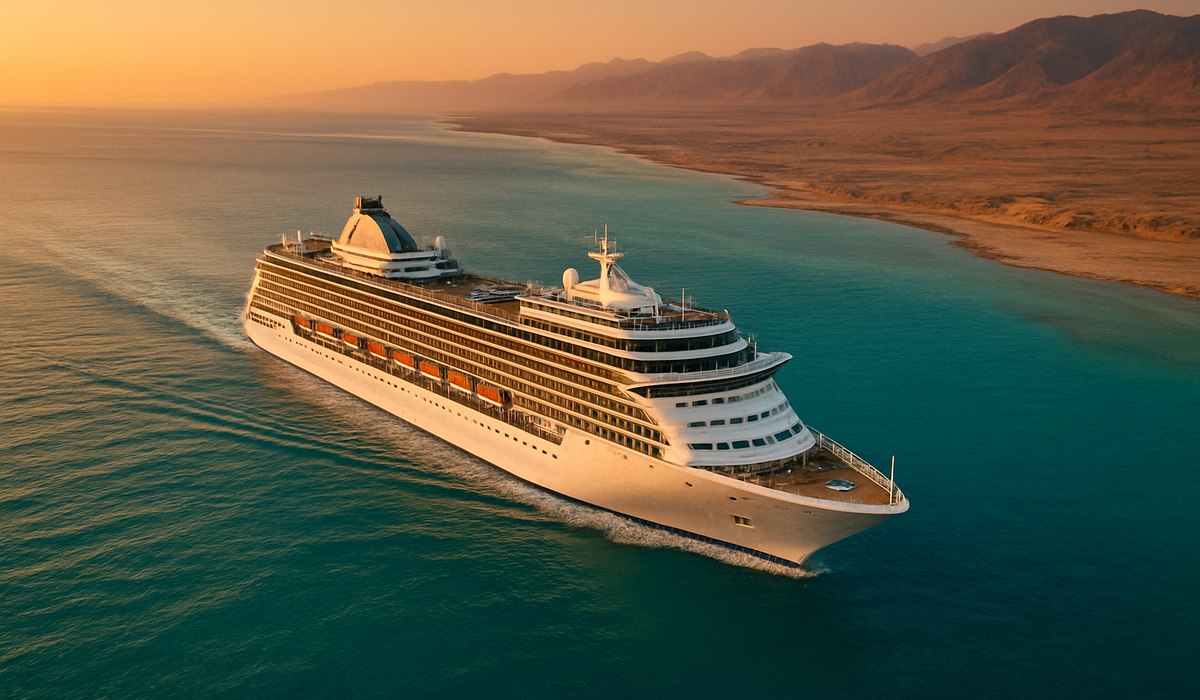
Image generated by AI
How Gulf Tensions Are Reshaping Global Travel Patterns
Gulf geopolitical tensions continue to reshape global travel dynamics in 2026, fundamentally altering how travelers plan vacations and book transport. The Middle Eastern security situation has created a ripple effect across international tourism corridors, forcing both cruise operators and airlines to recalibrate operations and itineraries. Despite persistent instability, leisure travelers remain committed to exploring the world—they're simply adopting more cautious strategies.
Industry analysts confirm that wanderlust hasn't diminished. However, the uncertainty surrounding Gulf stability has prompted many travelers to postpone bookings until geopolitical clarity improves. This cautious sentiment represents a meaningful shift from pre-tension booking behaviors, where travelers committed to trips months in advance. The current wait-and-see mentality reflects rational risk assessment rather than declining travel appetite. Visit Cruise Critic for real-time itinerary updates and traveler forums discussing Gulf region safety perceptions.
Cruise and Airline Operations Face Ongoing Disruptions
Major cruise lines and airlines operating in Middle Eastern waters have implemented route modifications and enhanced safety protocols. These operational changes directly impact itinerary availability and voyage frequency across global networks. Some cruise operators have adjusted departure schedules, extended transit times around sensitive regions, or shifted capacity toward alternate destinations.
Commercial aviation faces comparable pressures. Airspace restrictions, increased fuel surcharges, and longer flight paths to avoid contested areas have elevated ticket prices noticeably. Airlines report sustained booking demand despite higher fares, indicating travelers willingly absorb cost increases when confident in route security. Nevertheless, price-sensitive segments show booking hesitation, waiting for potential airfare decreases or geopolitical improvements. Airlines continue monitoring regional developments closely, maintaining flexibility in route planning and schedule adjustments.
Traveler Sentiment Shifts to Wait-and-See Approach
The psychological impact of Gulf tensions cannot be overstated. Market research reveals substantial numbers of prospective travelers adopting holding patterns—researching destinations without committing financially. This behavioral shift affects industry revenue projections and booking curve patterns throughout 2026.
Travelers cite two primary concerns: potential escalations affecting transit corridors and airfare volatility creating pricing uncertainty. Rather than canceling trips entirely, most prefer delaying commitments by 30-60 days, hoping for improved regional stability and competitive pricing. Families planning major vacations demonstrate heightened risk aversion, whereas business travelers and cruise enthusiasts display more resilient booking patterns. Cruise lines report that while total bookings remain healthy, the timing distribution has compressed—fewer advance bookings, more last-minute reservations once confidence stabilizes.
What This Means for the Tourism Industry Ahead
The tourism sector faces dual dynamics: sustained long-term demand alongside shortened booking windows. This compressed timeline challenges destination marketing organizations, travel agencies, and cruise operators who traditionally relied on 6-12 month advance booking cycles.
Economic implications extend beyond individual operators. Regional tourism economies dependent on Gulf transit routes face revenue uncertainty. However, alternative destinations and diversified routing strategies may benefit. The 2026 travel landscape rewards operators offering flexible rebooking policies, transparent safety communications, and competitive pricing for last-minute availability. Industry observers expect this cautious environment to persist through late 2026, potentially normalizing in 2027 as geopolitical clarity emerges.
Cruise Itinerary at a Glance
| Region | Impact Level | Current Status | Typical Capacity | Booking Trend | Recovery Timeline |
|---|---|---|---|---|---|
| Persian Gulf | High | Modified routes | Reduced 15-25% | Wait-and-see | Q3 2026+ |
| Arabian Sea | Moderate | Enhanced monitoring | Stable | Cautious | Q2 2026+ |
| Eastern Mediterranean | Moderate | Normal operations | Standard | Resilient | Stable |
| Red Sea Transits | High | Extended schedules | Reduced 10-20% | Delayed bookings | Q4 2026+ |
| Gulf of Oman | Moderate | Safety protocols | Maintained | Cautious | Q3 2026+ |
| Indian Ocean Routes | Low | Unaffected | Standard | Strong demand | Current |
What This Means for Travelers
Navigating 2026's geopolitical landscape requires informed decision-making. Here are actionable strategies:
-
Remain flexible with dates. Booking 4-6 weeks ahead rather than months ahead provides better pricing visibility and improved geopolitical clarity. Last-minute availability often yields competitive fares once destinations confirm security stability.
-
Verify operational status directly. Contact cruise lines and airlines directly through official websites before committing. Marketing materials may lag real-time operational changes, particularly regarding Gulf region transits.
-
Monitor safety communications. Government travel advisories, cruise line statements, and airline announcements should guide booking decisions. Subscribe to official notifications from relevant authorities and operators.
-
Consider alternative itineraries. Exploring less geopolitically sensitive routes—Mediterranean, Caribbean, Northern Europe—may offer comparable value without booking anxiety. Diversification reduces psychological risk while maintaining vacation quality.
-
Utilize flexible rebooking policies. Prioritize cruise lines and airlines offering free date changes or substantial rebooking windows. This protection justifies potentially higher upfront costs.
Frequently Asked Questions
Q: Should I cancel my existing Gulf-region cruise or flight bookings?
Most industry experts recommend maintaining bookings unless official travel warnings escalate significantly. Current situations haven't triggered widespread cancellations among committed travelers. Monitor official sources regularly, and contact operators directly about rebooking options if circumstances warrant changes.
Q: Are cruise and airline prices rising due to Gulf tensions?
Yes, operational costs including fuel surcharges and routing modifications have incrementally increased fares. However, competitive pressure and promotional offerings occasionally offset these increases. Monitoring prices across multiple platforms reveals timing windows for favorable rates.
Q: Which cruise lines are still operating in the Persian Gulf?
Major operators including Carnival Corporation brands, Royal Caribbean, and Middle Eastern cruise lines maintain modified Gulf operations. Reduced frequency and adjusted itineraries are standard. Visit individual cruise line websites or contact travel agents for current schedule information.
Q: When will travel patterns normalize?
Industry consensus suggests gradual normalization through late 2026, with fuller recovery potentially extending into 2027. Normalization depends on geopolitical developments rather than industry actions alone.
Related Travel Guides
- Singapore Airlines Unleashes Superjumbo Surge: Melbourne Retains Year-Round Airbus A380 While Frankfurt Faces Strategic Boeing 777-300ER Fleet Swap in 2026 Aviation Updates
- COMO Global Represent India: One Rep Appointed for Phuket & Bhutan Luxury Properties
- SaffronStays Raises $3.5M to Expand Managed Holiday Home Portfolio
Disclaimer
This article synthesizes publicly available information from tourism industry reports, cruise operator announcements, and airline statements current as of June 2026. While we've endeavored to present accurate geopolitical and travel information, situations in the Gulf region evolve rapidly. Before making travel commitments, verify current safety conditions with official government travel advisories, your cruise line's official website, and your airline's operational status. Consult the U.S. State Department Travel Advisory, your country's foreign ministry, and relevant regional authorities for authoritative guidance. Always verify with your airline or cruise provider before traveling, as operational statuses and itineraries change frequently.
Disclaimer
This article is for informational and educational purposes only. It does not constitute legal, financial, or professional advice. While we strive to provide accurate and up-to-date information, travel policies, regulations, and conditions change rapidly. Always verify information with official sources before making travel decisions. Nomad Lawyer makes no representations about the accuracy, reliability, completeness, or suitability of the information provided. Readers should consult qualified professionals for advice specific to their circumstances. The views expressed in this article are those of the author and do not necessarily reflect the views of Nomad Lawyer.
Preeti Gunjan
Contributor & Community Manager
A passionate traveller and community builder. Preeti helps grow the Nomad Lawyer community, fostering engagement and bringing the reader experience to life.
Learn more about our team →